Introduction
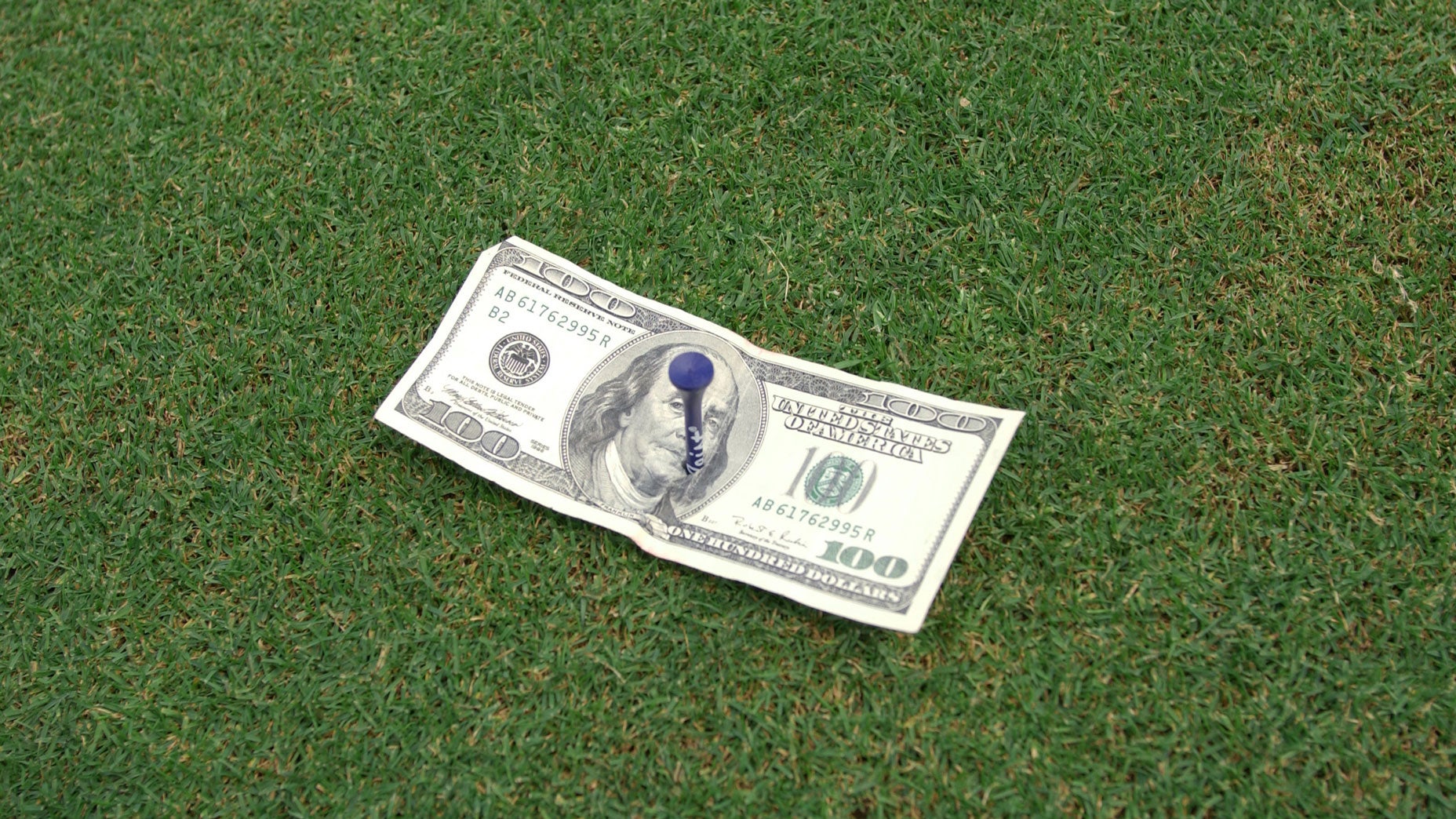
As the conversation around the cost of golfing intensifies, players around the globe are evaluating whether a round on the green stands as a value or a financial burden. The complexity of golf’s affordability lies in various factors, including geographical location, course quality, and seasonal demand. With some courses charging exorbitant fees while others remain affordable, understanding the nuances of golf pricing is crucial for both avid players and newcomers.
Key takeaways
- The cost of golfing fluctuates based on region, course prestige, and time of year.
- Membership fees at high-end clubs have significantly increased, raising upfront costs for golfers.
- In some areas, recreational golfing can be budget-friendly, while in others, it can be extravagant.
- Grasping the dynamics of the local golf market can help players navigate towards more affordable options.
- The emergence of premium courses with top-notch amenities has influenced perceptions of golfing expenses.
Context and background
Golf has long had a complicated relationship with affordability, catering both to an elite clientele and maintaining accessible options for regular players. In the United States, a recent survey indicates that average green fees have steadily risen over the past ten years. For instance, a prestigious course such as Pebble Beach could easily charge upwards of $500 for a single round, while local municipal courses might only ask for $40 or less. Furthermore, the rise of elite golf resorts that emphasize luxury experiences over just playing the game has significantly inflated the average cost of rounds.
Membership fees for exclusive golf clubs have also skyrocketed, often exceeding $100,000 for initiation at some locations, which can be prohibitive for average players. Yet, many public and community courses strive to remain accessible, encouraging broader participation in the sport. This financial landscape is further complicated by varied pricing structures that fluctuate based on timing and demand—off-peak hours at high-end courses can translate into discounted rates, while weekend play can impose elevated premiums.
The economics of golf: understanding costs
Diving deeper into the economics of golf reveals a landscape shaped by demand, exclusivity, and regional dynamics. High-demand courses often leverage their prestige by elevating their rates, especially those offering first-class amenities like private caddies, upscale accommodations, and gourmet dining. Conversely, public courses aim to attract new players, maintaining prices that encourage participation without deterring budget-conscious golf enthusiasts.
Moreover, the cost of playing golf is influenced considerably by timing. Green fee statistics indicate that prices can rise sharply during peak seasons in areas like Florida, as tourists flock to escape colder climates. Additionally, lessons from professional instructors have seen an uptick in costs as well, often averaging between $100 and $150 per hour. As golfers look to enhance their skills, this adds an intricate layer to the financial considerations associated with the game. The growing tendency to use technology for performance tracking and specialized equipment can further inflationary pressures on the overall costs of golf.
In their own words
The cost of playing golf can feel intimidating, but there are always options available for those willing to look beyond the prestigious courses.
— Pro Golfer
Investing in a good grip or a proper pair of shoes doesn't have to break the bank, and those small things can improve your performance immensely.
— Equipment Expert
What this means for golfers
For recreational players and those new to the sport, understanding the current cost landscape is key. High-end golfing is undeniably more expensive, but there remain gems among local municipal courses and daily fee options that allow newcomers to engage with the sport more affordably. Being strategic about when and where to play can lead to significant savings. Many courses offer packages or promotional rates, especially during off-peak seasons, which can be valuable for budget-conscious players.
Moreover, golfers can find cost-effective equipment by focusing on essential items and seeking out sales or second-hand options. With a little savvy shopping and operational awareness, it’s possible to enjoy golf without succumbing to excessive costs.
What's next?
As the golfing landscape continues to evolve, it’s important to monitor market trends and shifting price dynamics. The impending opening of new golf courses and alterations in membership structures at existing clubs could have a significant impact on overall pricing strategies. Additionally, the increased interest in golf post-pandemic creates a surge in demand, which might push costs upward especially in popular destinations. Enthusiasts and casual players alike should stay informed to navigate this changing financial terrain effectively, ensuring that they can enjoy the sport without sacrificing their wallets.


/https%3A%2F%2Fcdn.pijper.io%2F2026%2F04%2F9xoZcqOx6QovUq1775971592.jpg)