Introduction
This week in professional golf presents a stark contrast between the prestige of the US Women's Open and the clutter of competing events vying for attention. As excitement builds for this historic tournament, concerns arise regarding the overlapping schedules that could dilute its visibility, leaving players and fans questioning the strategic decisions of governing bodies. Could pro golf be inadvertently undermining one of its marquee events?
Key takeaways
- The US Women's Open stands out as the only elite tournament this week.
- Conflicting schedules for lesser events create uncertainty and divided attention.
- Industry experts advocate for better cohesion in tournament planning.
- Opportunities abound for promoting visibility in women's golf amidst scheduling challenges.
- Prioritizing key tournaments is essential for recognizing top talent.
Context and background
The US Women’s Open, dating back to 1946, is one of the crown jewels of women's golf, known for showcasing the finest talent in the sport. Traditionally held in mid-summer, the tournament is designed to attract considerable attention from fans and media alike, forming a critical platform for players to demonstrate their skills at the highest level. In recent years, the popularity of women’s golf has surged, with participation skyrocketing—over 1.1 million female golfers were recorded in the United States in 2019 alone, according to the National Golf Foundation.
However, the potential audience for the US Women’s Open is now threatened by overlapping schedules with other less significant tournaments, which could compromise sponsorship deals and media coverage. As discussions regarding event scheduling circulate, stakeholders are left wondering if the golf calendar mishaps are hindering the appreciation of remarkable talent showcased in women’s golf.
Scheduling confusion overshadows the US Women’s Open
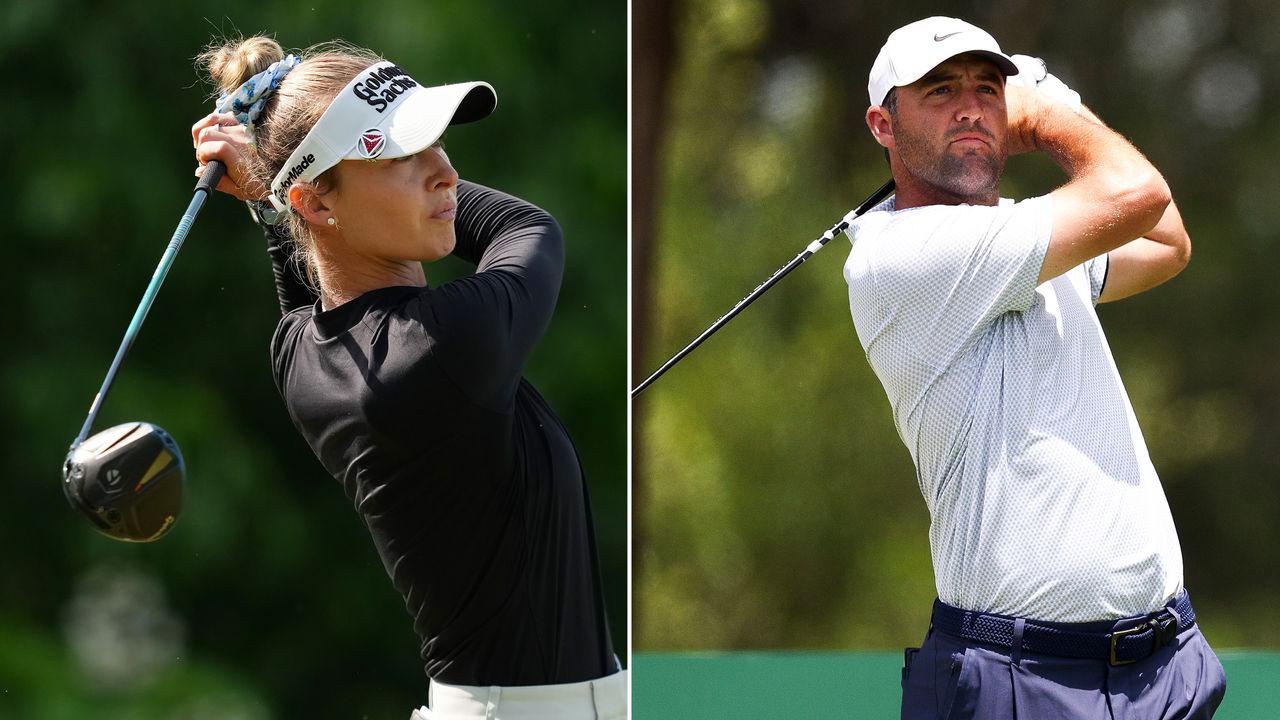
This week, as top athletes like Jin Young Ko and Nelly Korda prepare to compete, the full glory of the US Women’s Open is at risk of being overshadowed by simultaneous, lesser competitions. Elliott Heath, a distinguished figure in golf journalism, articulates a poignant truth about the situation: “The US Women’s Open should be the only elite event on this week, allowing it to shine on its own merits and attract the spotlight it deserves.”
This paradox of competing events highlights a broader conundrum within professional golf. While the PGA Tour and other men’s circuits regularly draw immense attention, smaller tournaments risk diluting the already limited broadcasting power, meaning noteworthy performances by female golfers might not receive the recognition they deserve. With event conflicts, fans may find themselves distracted, missing out on pivotal moments that define a tournament such as the US Women’s Open.
In their own words
“We need to give elite tournaments their space to breathe, especially when female golfers are putting their best foot forward on an international stage.”
— Elliott Heath
What this means for golfers
For recreational golfers and enthusiasts, the current landscape serves as a wake-up call. It highlights the importance of supporting prestigious tournaments like the US Women’s Open, which not only elevate the standards of women’s golf but also inspire amateurs to enhance their own games. Engaging with the tournament will provide opportunities to learn from elite competitors regarding techniques, mental strategies, and valuable skills that might translate into better performance on the weekend fairways.
Furthermore, aligning with marquee events can catalyze a broader cultural shift within the sport, as increased visibility attracts media attention and sponsorships necessary for the growth of women's golf. In today's era where women's sports are experiencing a surge in popularity and recognition, the pivotal role of support during high-caliber events cannot be overstated.
What's next
Looking ahead, the implications of this week’s scheduling may spark critical discussions about better calendar management in professional golf. With several major championships on the horizon, officials and players alike will be closely monitoring the outcomes of overlapping events. The hope is to seek solutions that will prioritize women's tournaments and elevate their significance within the greater competitive landscape.
While this week should serve to highlight the accomplishments and skills of female golfers at the US Women’s Open, it also remains a moment of reckoning among governing bodies to carefully consider how event scheduling could either bolster or hinder the growth of the sport. With thoughtful and strategic planning, the future of professional golf can focus on enhancing visibility for female competitors and ensuring that everyone gets the recognition they rightfully deserve.


/https%3A%2F%2Fcdn.pijper.io%2F2026%2F06%2FRkUgIHk3UBT3tw1781080975.jpg)