Is social media ruining golf?
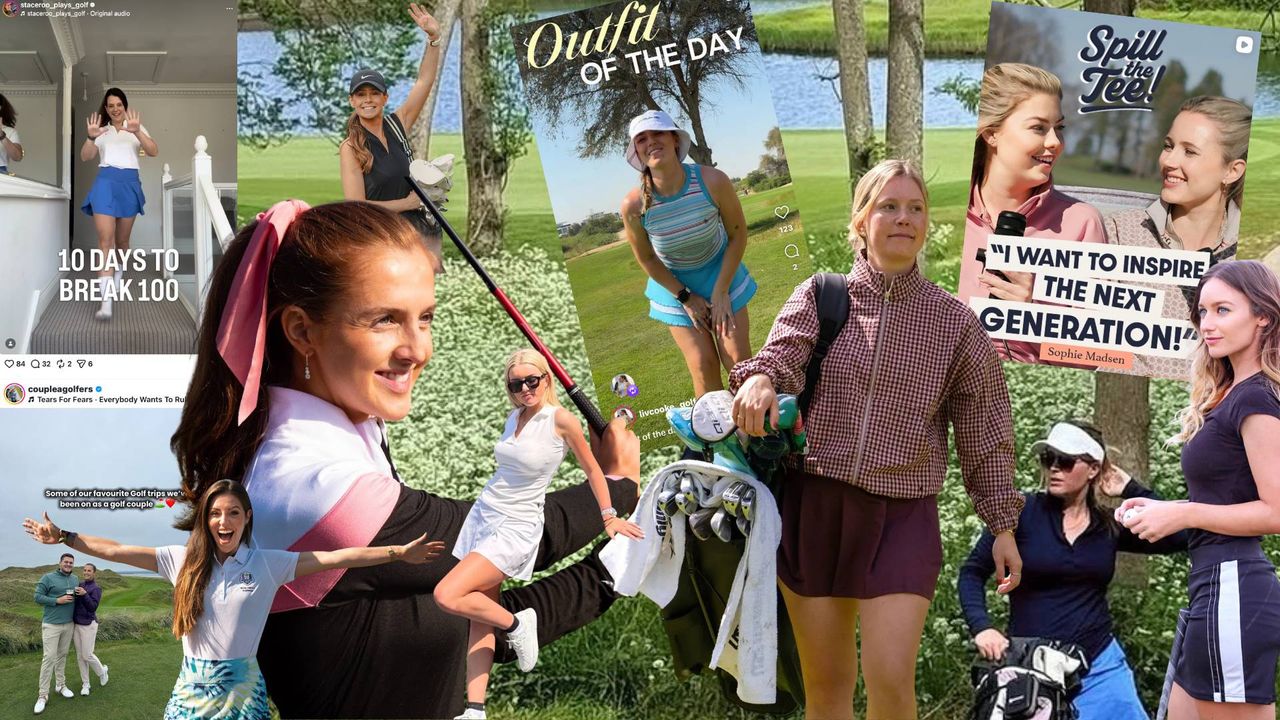
The intersection of golf and social media has ignited a heated debate, particularly around the role of female content creators. As more voices emerge in the digital realm, the question arises: are these platforms enhancing or undermining the integrity of the sport? Katie Dawkins, a PGA Professional, argues that the need for authenticity and genuine representation in golf is crucial, especially for women in the industry. In an age where curated perfection often reigns, the sport must embrace the reality of diverse experiences.
Key takeaways
- Female golfers and creators emphasize the importance of authenticity in digital content.
- Concerns arise that social media can portray unrealistic ideals, impacting perceptions of the sport.
- Katie Dawkins advocates for 'keeping it real' to enhance the sport's relevance and inclusiveness.
- Authentic storytelling can engage a broader audience, particularly younger golf enthusiasts.
- The dialogue around social media’s influence is essential for shaping the future of golf and its representation.
Context and background
The explosion of social media platforms over the past decade has transformed how sports, including golf, are consumed and enjoyed. While platforms like Instagram and TikTok have provided unprecedented access to players and events, they have also imposed challenges, particularly concerning authenticity. The golf industry, traditionally seen as exclusive, has come under scrutiny for not adequately representing diverse voices, especially those of female golfers.
Statistics show that female participation in golf has steadily increased over the years. In the U.S. alone, women made up approximately 25% of golf course golfers in 2021, a significant rise from prior decades. Yet, despite this growth, representation in media and sponsorships remains skewed. A recent survey indicated that female creators in sports are often fewer in number and receive less recognition compared to their male counterparts. This exacerbates the feeling that women's golf narratives are overshadowed and undermined by an omnipresent culture of perfection.
The power of authenticity in golf
Katie Dawkins, a PGA Professional, has positioned herself at the forefront of advocating for authentic female representation in golf. “Social media can be a double-edged sword. While it provides a platform for us to share our stories, it can often lead to a culture of false narratives and unrealistic expectations. We must highlight our genuine experiences to foster inclusivity,” she explains.
The problem lies in the portrayal of golf, which can sometimes appear as a pristine and purely elite environment, deterring potential players from engaging with the game. Dawkins argues that narratives that resonate with audiences often stem from real-life experiences rather than staged perfection. According to her, female content creators, by sharing their journey—both the triumphs and struggles—can bridge this gap.
In a world bustling with filters and carefully crafted images, real stories can captivate audiences. When female golfers showcase their training routines, moments of failure, or simply their joy in playing the game without the veneer of perfection, it opens the door to relatable experiences. This, in turn, cultivates a stronger community and encourages more women to step into the golfing world. The potential impact is vast, with the possibility to see increased participation rates among younger female golfers who felt alienated by traditional portrayals of the game.
In their own words
“We need to share our authentic selves, embrace imperfections, and show that there’s no one way to be a golfer. That’s what brings people to the game.”
— Katie Dawkins
What this means for golfers
For recreational golfers, especially women, learning to embrace authenticity in their own golfing journeys could bring a refreshing perspective to the game. Instead of focusing on the perceived elite standards often highlighted on social media, golfers can find encouragement through genuine, relatable narratives. Katie’s advocacy shines a light on the importance of showing vulnerability and embracing imperfections, ultimately suggesting that every golfer has a unique story to tell.
For equipment brands and sponsors, understanding the shift toward authenticity is essential. Female golfers who are featured genuinely engaging with their equipment and sharing unscripted experiences can spur more authentic engagement among fans. Moving away from traditional advertising methods that portray unrealistic ideals can resonate better with audiences, fostering deeper connections and loyalty.
What’s next
Looking ahead, the discussion on authenticity in golf will continue to evolve alongside the sport's landscape. As more female content creators step into the limelight, there is an opportunity for the golfing community to reshape its narrative. Mid-level tournaments and grassroots initiatives are aiming to provide platforms where real stories can thrive, allowing a diverse array of voices to be heard.
Upcoming events targeting female participation in golf, coupled with advocacy for authentic representation, will be vital. As the industry adapts, it will be intriguing to see how it embraces this cultural shift toward genuine narratives. Ultimately, the drive for authenticity may redefine how golf is perceived and enjoyed by future generations.