Introduction
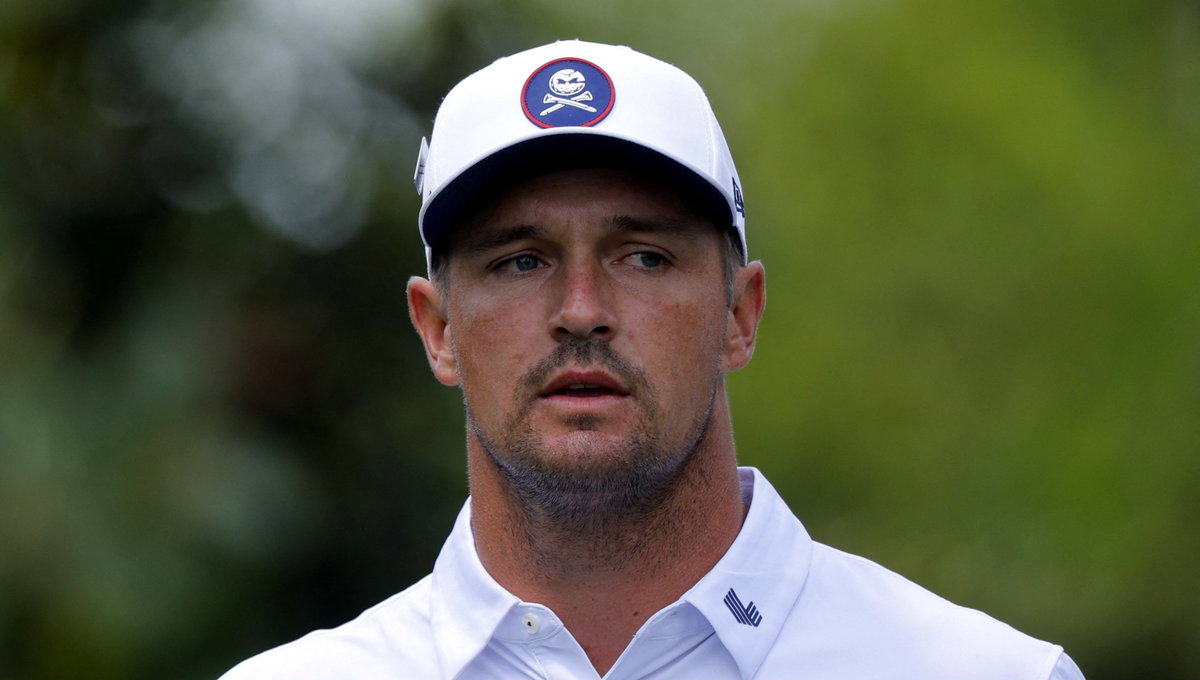
In a noteworthy turn of events, the PGA Tour is set to revamp its social media policy, with the goal of enticing former players like Bryson DeChambeau to return to its ranks. As professional golf navigates a competitive landscape—dominated by the rise of LIV Golf—this change signals a strategic shift towards giving players more freedom and visibility in the digital sphere. This could be a pivotal moment, as the Tour aims to reconcile with one of its most intriguing talents.
Key takeaways
- The PGA Tour is altering its social media policy to increase player freedoms.
- This strategy may specifically target Bryson DeChambeau, who has joined LIV Golf.
- Enhanced engagement on social platforms could lead to greater visibility and sponsorship deals for players.
- The revised policy represents a shift in the Tour's approach to digital brand management.
- As the competition for top talent heats up, the Tour must evolve to retain its stars.
Context and background
The professional golf landscape has been dramatically transformed in recent years, largely due to the emergence of alternative tours such as LIV Golf. This new entity was designed to lure premier golf talents away from established leagues by offering them lucrative contracts and unparalleled freedom. Among these players is Bryson DeChambeau, a golfer known not only for his unorthodox approach to the game but also for his distinctive persona that has captivated fans and critics alike.
Historically, the PGA Tour has maintained stringent regulations surrounding social media use and personal branding. While this was done to foster a unified image for the Tour, it inadvertently restricted individual expression—something that modern players are increasingly eager to assert. As the growing popularity of platforms like Instagram and Twitter becomes evident, the Tour is now faced with the pressing question of whether to adapt and empower players, or risk losing more stars to competing leagues.
PGA Tour's strategic evolution
The prospect of altering its social media policy marks a significant departure from the PGA Tour's traditional stance. By granting players increased autonomy to engage with fans, the Tour is not only modernizing its image but also recognizing the realities of a fanbase that thrives on personal connections with athletes. Statistical analyses have illustrated that professional golfers who effectively utilize social media can greatly enhance their marketability. For example, in the 2022 season, golfers like Phil Mickelson and Rory McIlroy utilized social media to amplify their brands, yielding lucrative endorsement deals that extended beyond their tournament performances.
For DeChambeau, who became famous for combining scientific principles with his golfing techniques, a revised social media approach could serve to reignite interest in his career while allowing him to connect with a broader audience. By facilitating a platform that encourages authentic interactions and the sharing of his unique golfing journey, the PGA Tour may be laying the groundwork for a possible return of this electrifying talent.
In their own words
"I’ve always believed in the power of social media to connect with fans and grow the sport. Seeing changes like this is encouraging for players who want to define their own brand."
— Bryson DeChambeau
"The PGA Tour is evolving. We must recognize the importance of allowing our players to express themselves both on and off the course."
— PGA Tour Official
What this means for golfers
The impending changes to the PGA Tour's social media policy may carry significant implications for golfers at every level, from amateurs to seasoned professionals. Recreational players looking to carve out their own niches can take cues from the Tour's adjustment. Establishing a digital presence—through sharing gameplay tips, experiences, and showcasing individuality—can elevate their profile and create potential sponsorship opportunities.
For established professional golfers, the evolving dynamics signal the necessity to maintain online engagement. It is essential for players to communicate their authentic narrative, showcasing their personalities and narratives that resonate with fans. High-quality content that promotes visibility, paired with effective social media strategies, could facilitate improved sponsorship and promotional opportunities in this modern era.
What's next
As the PGA Tour prepares to redefine its social media stance, it could set a transformative precedent concerning the integration of golf with contemporary digital culture. Anticipation surrounds the specifics of these modifications, especially as they may be outlined during the upcoming season. Discussions across platforms are bound to intensify as players and fans contemplate the potential ramifications of this adjustment on sponsorship rates and fan interaction.
Furthermore, the reaction from LIV Golf could play a critical role in this discussion, with its players closely monitoring how these policies might influence their ongoing competition with the PGA Tour. All eyes will remain on Bryson DeChambeau as he emerges as a litmus test for the Tour's success in attracting back its top talent. Will he decide to return to a more traditional PGA landscape, or remain steadfast in his allegiance to LIV Golf's innovative approach? Only future developments will provide the answers the golfing community seeks.