

Introduction
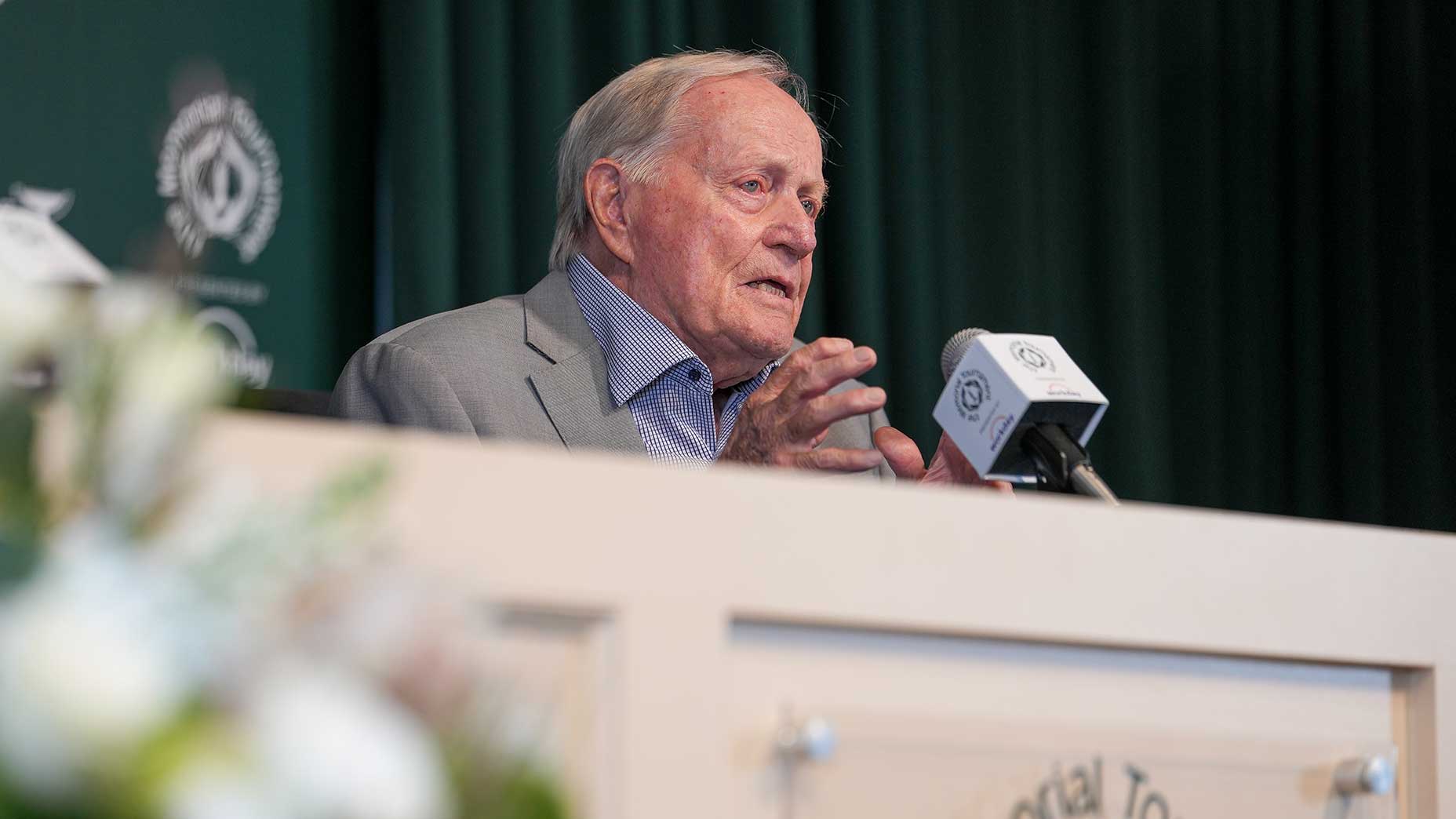
As the modern game of golf wrestles with the challenges posed by increased distance and performance, a voice of reason rises from the past. Legendary golfer Jack Nicklaus has recently shared his concerns regarding the proposed golf-ball rollback during a press conference at the prestigious Memorial Tournament. His insight suggests that the rollback might not sufficiently tackle the deeper issues that threaten the game's integrity.
Key takeaways
- Jack Nicklaus believes the golf-ball rollback proposal may fall short of resolving distance concerns.
- The debate around the rollback highlights broader issues of distance, performance, and the future of golf.
- Nicklaus emphasizes the need for more comprehensive solutions beyond merely altering equipment.
- This ongoing conversation reflects golf's evolving landscape and its impact on traditional golfing venues.
- Experts and players are divided on how to best manage advancements in technology within the sport.
Context and background
The topic of a golf-ball rollback is not new to the discussion around golf's evolution. As technology has surged, so too has the distance players can achieve off the tee. For instance, while the average driving distance for professional golfers was approximately 260 yards in the late 1990s, it has now surpassed an impressive 320 yards for many in the field. As a response to these staggering figures, the game’s governing bodies have started to consider regulations aimed at limiting the performance and effectiveness of golf equipment, particularly the golf ball itself.
Since the early 2000s, concern has been growing among players and analysts regarding how this increasing distance affects the design and architecture of existing golf courses which might not be equipped to handle such sheer power. This raises questions about the sustainability of golf as a sport—especially when considering the interests of younger players who may be drawn to the power and distance aspects over the strategic nuances traditionally associated with golf.
Nicklaus advocates for a comprehensive approach
Stalwart of the sport, Jack Nicklaus has made it clear that he believes simple solutions will not remedy the complexities of distance-related issues. During his address at the Memorial Tournament, he articulated a perspective urging deeper introspection into the very fundamentals of what engagement in golf means today.
"I think the distance thing has become a significant issue, something we can't ignore anymore. However, I believe changing the golf ball alone might not be sufficient to alter the trajectory of the game. We need to look deeper into how we engage with our sport, not just what the equipment can do."
— Jack Nicklaus
This opinion resonates with a wider array of figures in the golf community, including players of renown like Rory McIlroy and Phil Mickelson. Both have voiced their fears regarding the direction of the game and the sanctity of traditional shot-making skills in light of a constantly evolving, power-focused dynamic.
What this means for golfers
The ongoing discussion regarding the golf-ball rollback should hold significance for golfers across all levels, both recreational and professional alike. For amateur players, the increasing distances witnessed in the current game should prompt a reassessment of skills. As many courses adapt to the power-oriented game, there may be a renewal of focus on precision, course management, and the strategic elements that were once celebrated in golf.
Moreover, as equipment technology continues to innovate, golfers may benefit from embracing a holistic approach to their playing style. An emphasis on refining short-game abilities will become increasingly important, especially as the landscape of equipment regulations potentially shifts towards a framework that prioritizes skill over distance.
What's next
The discourse surrounding the golf-ball rollback shows no signs of abating. In the coming months, major tournaments will serve as key opportunities for players and industry leaders to discuss these potential changes. Feedback from professionals, alongside consultation from the USGA and R&A, will be vital as they consider the next steps in addressing the distance question.
Ultimately, the trajectory of this debate will have far-reaching implications for the future of golf—an industry that must navigate its changing relationship with technology, the preservation of tradition, and the essential skills required for excellence on the course.


/https%3A%2F%2Fcdn.pijper.io%2F2026%2F06%2FRkUgIHk3UBT3tw1781080975.jpg)