


Introduction
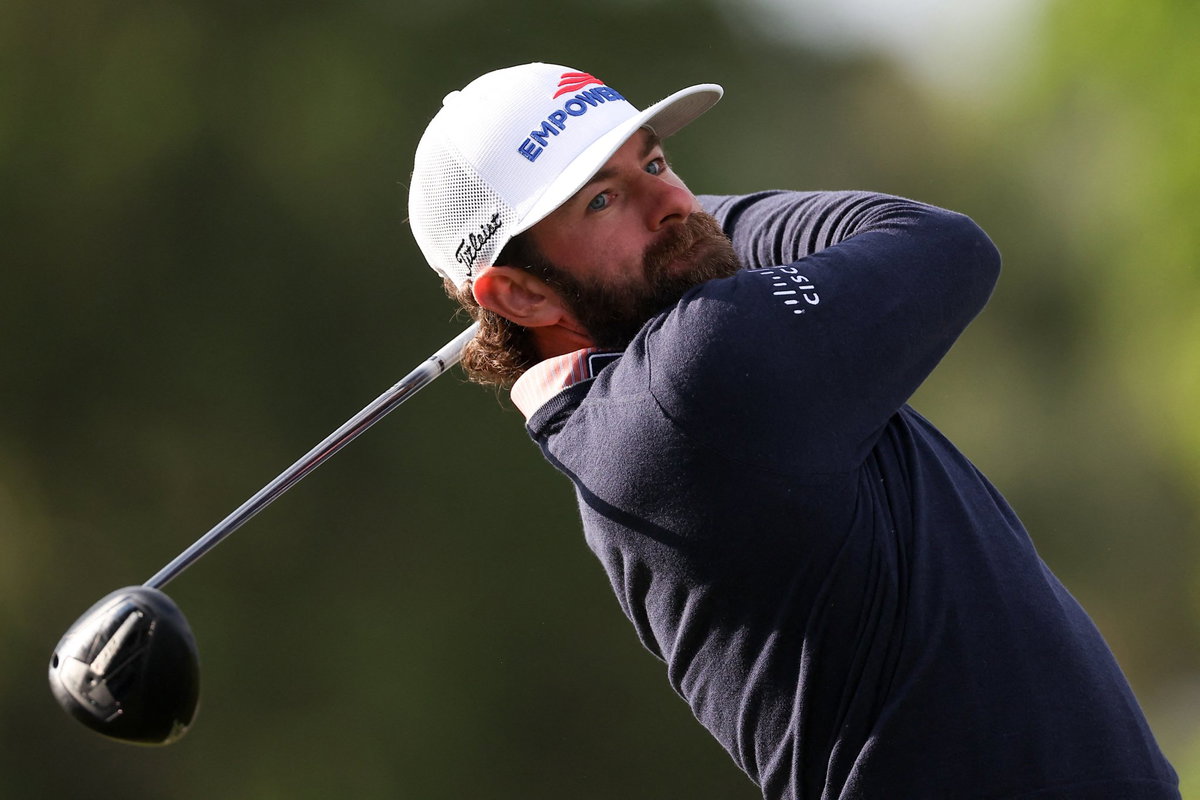
In a bold statement that highlights the ongoing evolution within professional golf, tour pro James Nicholas has revealed his perspective on the often-overlooked aspect of equipment sponsorship. Nicholas, currently an equipment free agent, believes that the freedom to select clubs based on his personal preferences could ultimately result in enhanced performance on the course, leading to greater financial success. With prize money on the line, his unique strategy may be worth a deeper examination.
Key takeaways
- James Nicholas, a tour pro, has opted to remain an equipment free agent.
- He believes that choosing his own clubs can enhance his gameplay and result in more earnings.
- The financial implications of sponsorship deals versus personal equipment choices are under scrutiny.
- Nicholas outlines potential options if he decides to pursue sponsorships in the future.
- The trend of players prioritizing performance over brand alliances is becoming increasingly common in professional golf.
Context and background
The world of professional golf has long been dominated by sponsorship deals between players and equipment manufacturers. The influence of these sponsorships often dictates not just the choice of clubs a golfer uses but also impacts their financial stability and brand affiliations. For many tour players, signing with a reputable brand has provided financial security and the latest technology designed to enhance performance.
However, the landscape is shifting. With the rise of independent equipment reviews and a focus on individual preferences, more players are considering the value of their own insight into what works best for them. The recent trend of players opting out of conventional sponsorships has brought forward discussions about how these decisions might affect their performance and earnings potential.
A different approach to equipment sponsorship
James Nicholas, who has made a name for himself in competitive golf, has chosen the path of an equipment free agent to embrace this evolving dynamic. In a recent interview, he asserted, "If I get $30K to play 14 clubs, I believe I can make more money playing the clubs that I think will make me play better." This statement captures the essence of his strategy perfectly — the priority lies not in endorsements but in personal performance.
Nicholas recognizes the financial benefits of sponsorship, yet he places greater weight on the quality of his golf game. He explains that, as a free agent, he has the liberty to experiment with various brands and models without the constraints that accompany sponsorship agreements. This situation allows him to select equipment that aligns closely with his style and skill set, ultimately leading to enhanced play.
Statistically, Nicholas's career thus far has seen him navigating through various challenges while making a name for himself. As he seeks to climb further up the leaderboards, the freedom to adjust his equipment choices based on performance parameters becomes integral. This strategy draws attention to the question of equipment efficacy and its impact on professional success.
In their own words
"If I get $30K to play 14 clubs, I believe I can make more money playing the clubs that I think will make me play better."
— James Nicholas
What this means for golfers
For recreational golfers, Nicholas's approach illustrates a significant lesson: the right equipment can, and often does, lead to better performance on the course. While high-end club brands offer advantages, personal comfort and affinity for specific pieces of equipment can sometimes outweigh the benefits of being tied to a sponsorship. Golfers should take Nicholas's experience to heart, focusing on clubs that feel right in their hands rather than those that are merely trendy or endorsed by professionals.
Moreover, the emphasis on personal choice over brand affiliation may lead to a more profound scrutiny of one’s game and performance metrics. Golfers of all levels may find it beneficial to assess their equipment critically, consider trying different brands, and ultimately choose clubs that enable them to play to the best of their ability.
What's next
Looking ahead, Nicholas's choice sets a precedent for future generations of golfers who may wish to explore similar paths of independence from conventional sponsorship norms. As he continues his tour journey, fans and analysts alike will be closely watching the outcomes of his choices on the course. Will his performance bolster the argument for the many golfers considering a similar route? Only time will reveal how this unorthodox strategy unfolds on a competitive level.
In an age where the lines between branding and personal choice are becoming increasingly blurred, Nicholas's story may serve not only as a reflection on modern golf's trends but also as an inspiration for others seeking to maximize their potential by placing their performance above commercial affiliations. Upcoming tournaments may prove pivotal in testing this philosophy in action.

/https%3A%2F%2Fcdn.pijper.io%2F2026%2F06%2FRkUgIHk3UBT3tw1781080975.jpg)