Introduction
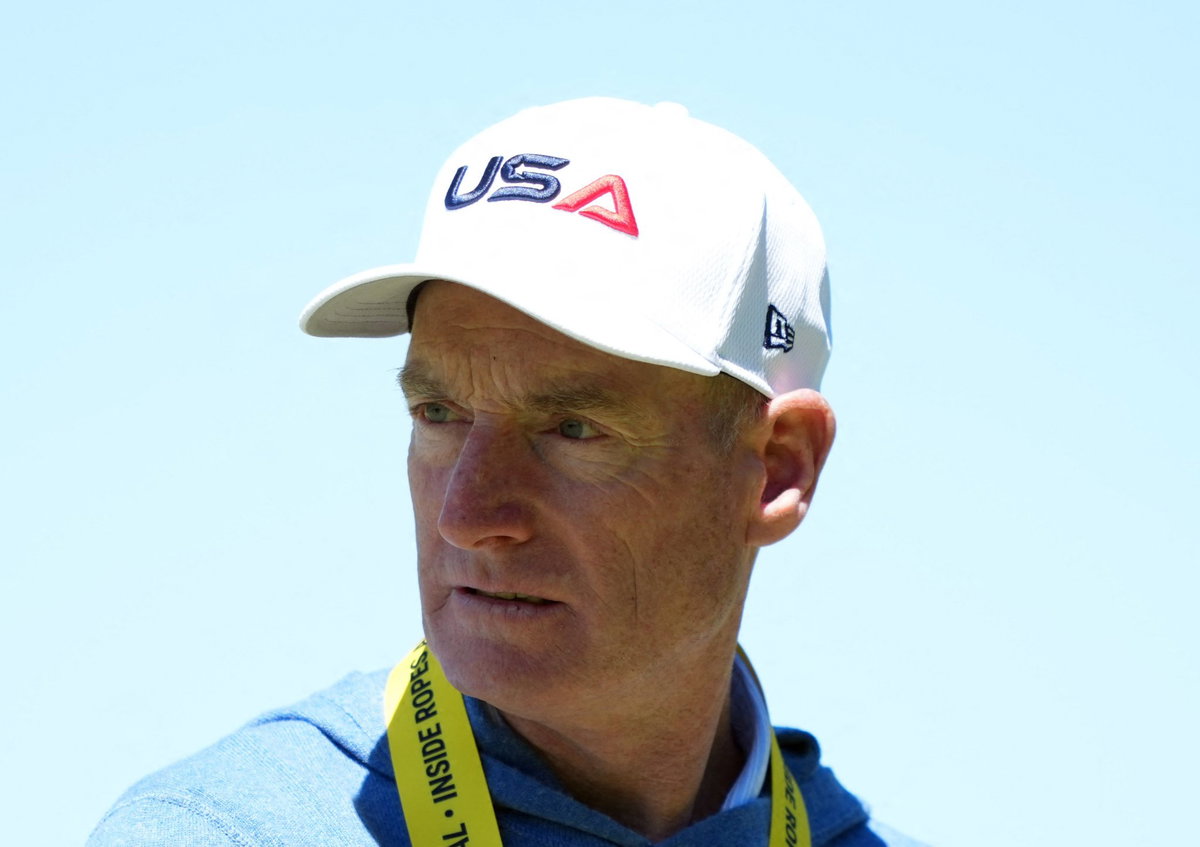
In an emotional address following his appointment as the captain of the U.S. Ryder Cup team, Jim Furyk opened up about the challenges of team dynamics in golf. Amid claims of a lack of camaraderie within the team, Furyk emphasized his commitment to reshaping the team culture as they head into the 2027 Ryder Cup. For him, the journey is deeply personal, as he has witnessed firsthand the struggles and triumphs of his fellow players.
Key takeaways
- Jim Furyk has been appointed as the U.S. Ryder Cup captain for 2027.
- He expressed concerns over the current state of team camaraderie.
- Furyk aims to implement significant changes to foster unity within the team.
- His experience as a player will guide his leadership approach.
- Furyk's emotional connection to the players shapes his vision for the Ryder Cup.
Context and background
The Ryder Cup, a biennial men's golf competition between teams from Europe and the United States, has a rich history dating back to 1927. While the event typically draws high levels of competition, camaraderie plays a crucial role in the United States' overall success. Over the years, American teams have had varied success in the tournament, with recent struggles raising concerns among fans and players alike.
Since the U.S. team last won the Ryder Cup in 2016, the pressure has mounted. The 2018 and 2021 competitions witnessed a shift in energy, showing an apparent disconnect among players. With increasing scrutiny on team dynamics and collective performance, the task ahead for Furyk is daunting yet necessary.
Restoring camaraderie on the U.S. Ryder Cup team
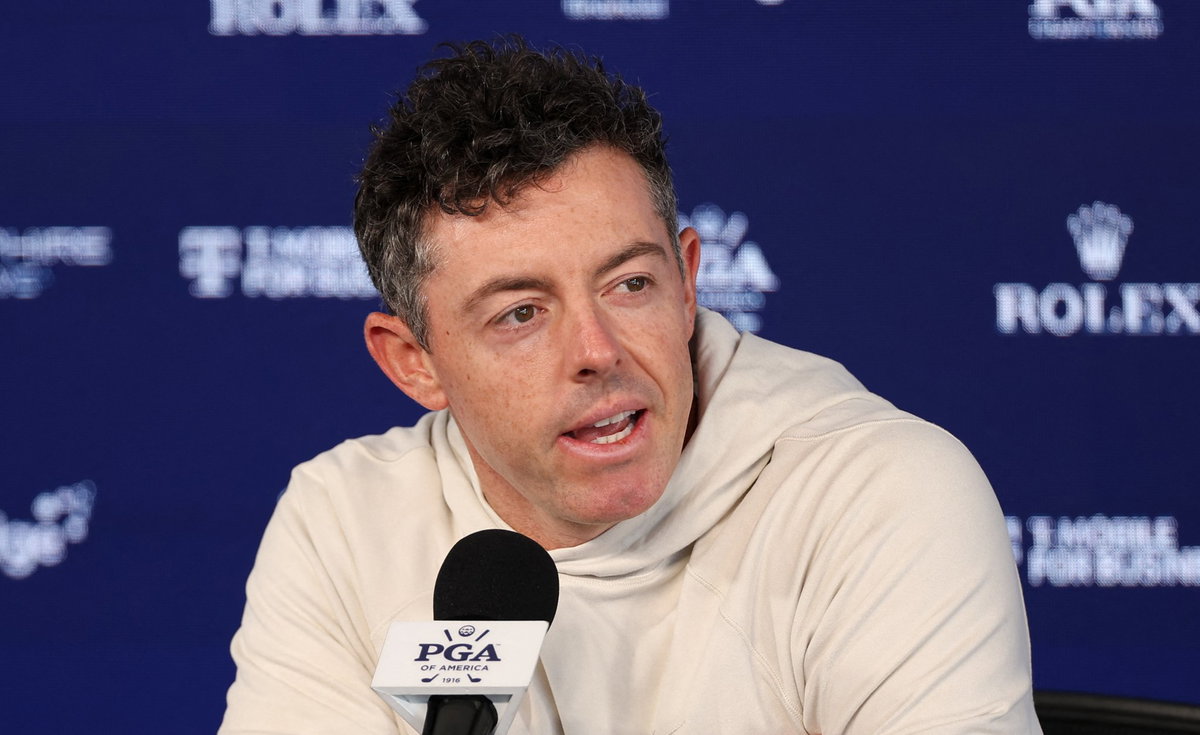
During his speech at the PGA Championship, Furyk took a stand against criticisms surrounding the team's lack of camaraderie, stating, "I've seen the tears" shed by players who have felt the weight of expectations. He insisted that the depth of emotional investment from each player should not be underestimated. Instead of focusing solely on their individual performances, Furyk hopes to cultivate a team-first atmosphere that nurtures relationships among the players.
Furyk has emphasized his vision of change, which includes more bonding activities, a greater emphasis on partnerships, and a clear understanding of each player's strengths and weaknesses. Drawing from his extensive experience as a competitor, he plans to ensure that every player understands their role and feels valued in the team's mission.
Statistics show that the emotional aspect of golf can significantly influence performance. A 2021 study published in the Journal of Sports Psychology highlighted that team camaraderie correlates positively with individual athletes’ performance in team sports. By focusing on unity, Furyk is not only addressing emotional gaps but potentially reversing the downward trend in U.S. performances in recent Ryder Cups.
In their own words
"I’ve seen the tears from these guys who give so much for the Ryder Cup. It's heartbreaking to see that kind of pain, and I want to ensure we create an environment where everyone feels supported and valued."
— Jim Furyk
What this means for golfers
For recreational golfers and aspiring competitors, Furyk's leadership style provides crucial insights into the importance of teamwork in individual sports. It serves as a reminder that camaraderie and communication often produce the best results, even in a sport as individualized as golf. Players can draw lessons about fostering supportive environments, both on and off the course.
Furthermore, as golf equipment continues to evolve, the same principles apply: understanding your clubs and how they work in tandem creates a more cohesive relationship with your game.
What's next
Looking ahead, the U.S. Ryder Cup team will be focusing on implementing these cultural changes as they prepare for the 2027 event. With numerous tournaments on the calendar leading up to the Ryder Cup, fans and players alike will be watching closely to see the evolution of the team's dynamics under Furyk's leadership.
As the 2023 and 2024 seasons unfold, the performance of the U.S. players in team events, such as the Presidents Cup and upcoming Ryder Cups, will serve as a litmus test for Furyk’s strategies. In a sport constantly evolving, the ability to adapt, unite, and inspire is paramount for success on the grand stage of the Ryder Cup.