Intro paragraph
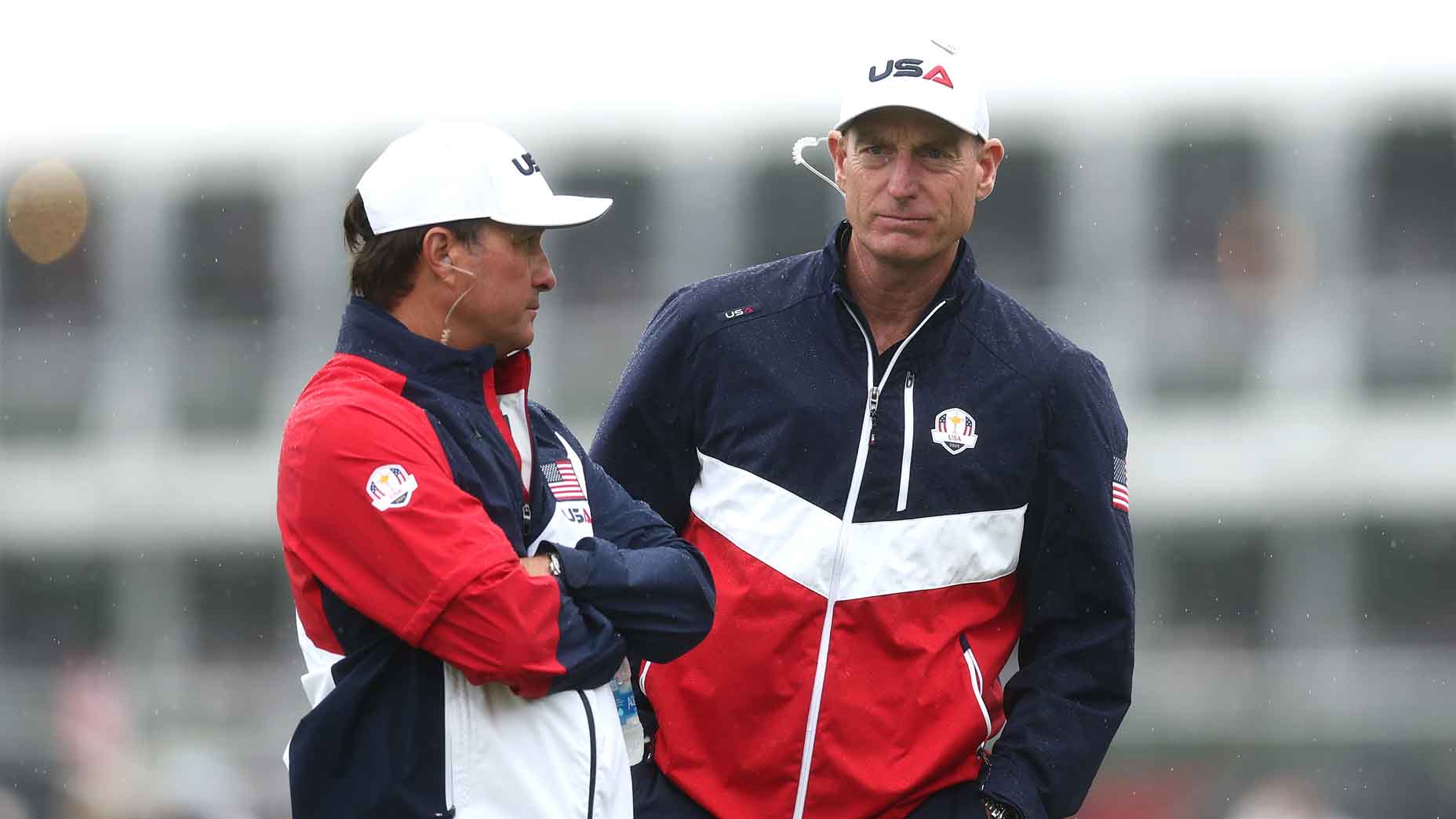
Golf fans may remember Jim Furyk's last tenure as captain of the U.S. Ryder Cup team, which ended in disappointment following a hefty loss to Europe. However, Furyk's desire to lead the team again isn't fueled by the sting of defeat; instead, it stems from a profound sense of purpose and a commitment to learning from the past.
Key takeaways
- Jim Furyk is expressing interest in another stint as U.S. Ryder Cup captain.
- His previous captaincy resulted in a significant loss, but he is motivated by growth, not bitterness.
- Furyk’s approach emphasizes team dynamics and camaraderie over individual performances.
- Historical context points to varied captaincy results affecting team morale and strategy.
- The Ryder Cup remains a place for innovation in leadership styles and team management.
Context and background
The Ryder Cup is a storied event in professional golf, featuring heated competition between the U.S. and Europe. The competition has a rich history, with the U.S. team experiencing significant highs and lows throughout the decades. Jim Furyk served as captain during the 2018 Ryder Cup in Paris, where the U.S. team faced a disheartening defeat, losing 17.5 to 10.5. This loss added to a growing narrative of U.S. struggles in the Ryder Cup, drawing comparisons to previous years where the team had less success in capturing the coveted trophy.
Furyk, who has been a pivotal figure in American golf, has an illustrious playing career that includes ten victories on the PGA Tour and a place among the top players in the world rankings during his prime. His past experiences—being both a player and captain—provide him with unique insights into team dynamics and the intensity of competition in the Ryder Cup environment.
A new perspective on leadership
While many would assume that Furyk would shy away from leadership following such a heavy defeat, his desire to return as captain is fueled by the lessons learned from that experience. In interviews, he emphasized that the role of a captain is not merely about tactics or forming the best possible pairings but rather about fostering a supportive environment for players. His approach focuses on camaraderie, communication, and creating an atmosphere where players can thrive.
Furyk noted that the dynamics of team golf differ greatly from that of individual performance. He believes it is crucial for the players to bond and work together, leveraging their collective strengths. This mindset showcases a shift from traditional captaincy methods towards an innovative approach that cultivates unity and resilience. Notably, this strategy mirrors some of the successful leadership styles seen in other team sports, where teamwork often trumps individual talent.
The Ryder Cup is notorious for bringing intense pressure, and how the team responds to that pressure can often dictate the outcome. Furyk's experience has given him insights into how to prepare players emotionally and mentally, emphasizing that every member of the team is in these high-stakes moments together. He is determined to leverage his past experiences, learning from what went wrong and capitalizing on what can be improved.
In their own words
"I want to lead a group of players who are not just there to compete, but to connect. It's about creating a team that feels like family, where everybody lifts each other up. That's how you win matches—together."
— Jim Furyk
"The Ryder Cup is about moments, friendships, and fierce competition. I want to harness that energy and guide us through this challenge together."
— Jim Furyk
What this means for golfers
Furyk's interest in the captaincy offers significant lessons not only for professional golfers but also for recreational players. Understanding that golf, much like many sports, relies heavily on teamwork can be transformative for how players train and play together. For amateur golfers, this could mean seeking partnerships during practice rounds and fostering a positive environment that promotes growth and enjoyment on the course.
For equipment decisions, the pursuit of individual excellence should not overshadow the value of choosing gear that enhances collaborative play. Knowing your partner's capabilities and preferences can greatly improve overall performance, emphasizing the importance of collective choice in gear, shot selection, and course strategy.
What's next
As the 2023 Ryder Cup approaches, the U.S. Golf Association will be under scrutiny as they consider candidates for the next captain. Furyk's intention to be considered again must be taken seriously, especially in light of his innovative perspective on leadership. The potential for a shift in team dynamics under his guidance could mark a new era for the American side, turning the tide in Ryder Cup competitions.
Looking ahead, fans and analysts will keep a close watch on upcoming team events where potential captains may be analyzed for their strategies and player interactions. Will Jim Furyk's vision reignite the U.S. team spirit and lead to a much-needed revival in the Ryder Cup outcomes? Only time will tell if the lessons of the past will contribute to their future success.