
Intro paragraph
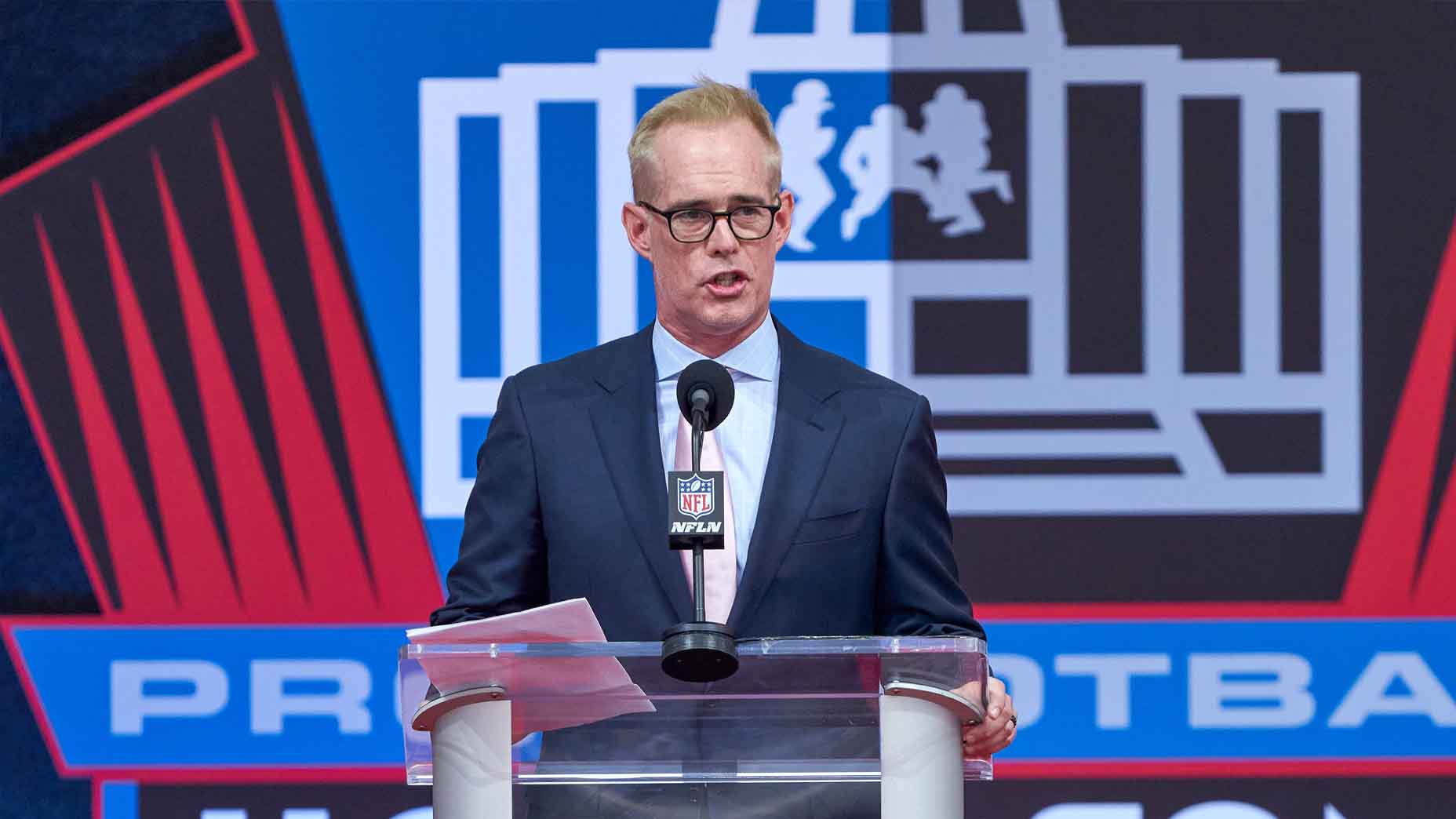
For sports commentators like Joe Buck, few experiences rival the unique challenges of calling a golf tournament. With a storied career that includes calling six Super Bowls and 23 World Series, Buck recently opened up about the intricacies of narrating one of golf's most prestigious events, the U.S. Open. The transition from fast-paced sports to the strategic, quiet nature of golf poses unexpected hurdles for seasoned broadcasters.
Key takeaways
- Joe Buck has a celebrated career, including six Super Bowls and 23 World Series.
- The U.S. Open presents unique challenges that differ significantly from other sports.
- Golf commentary requires a deep understanding of the game and heightened patience.
- Live observations and the rhythm of play shape how commentators engage the audience.
- Adapting to the slow pace of golf requires a unique skill set in storytelling.
Context and background
Joe Buck is a well-known name in sports broadcasting, having earned multiple Emmy Awards throughout his career. His resume includes some of the biggest sporting events in American history, showcasing his versatility and adaptability. However, golf is a different beast altogether. It’s a sport steeped in tradition, with a pace that contrasts sharply with the quick turnovers of football or baseball. The U.S. Open, known as one of the toughest tests in professional golf, requires not just commentary but a profound grasp of the intricacies of the game.
Historically, less experienced commentators have struggled when stepping into the golf arena, revealing a significant gap in understanding between sports. Television ratings for golf events also tell a compelling story, as audiences have grown more discerning, craving insight into player strategies and course conditions rather than mere play-by-play narration.
The art of calling the U.S. Open
When Joe Buck took to the airwaves for the U.S. Open, he quickly realized that the transition from his usual sports commentary was not seamless. The pace of golf invites significant pauses, allowing for contemplative analysis rather than quick commentary. Unlike fast-paced sports where plays happen in a flash, golf allows for moments of silence that can feel awkward on air if not handled properly.
This introspective component of golf presents a necessity to engage viewers with thoughtful commentary rather than ad-libbing on the fly. Buck noted that he leaned heavily on his ability to analyze players' mental and physical strategies, turning each hole into a narrative that resonates with fans. The stakes in the U.S. Open are particularly high, as players navigate difficult courses under immense pressure, and he aimed to reflect that intensity in his commentary.
Statistics play a distinctive role in golf commentary as well. Buck often references players' historical performances, conditions of the greens, and even previous rounds in assessing their current play. For instance, a golfer's previous outing at a U.S. Open can be relevant when predicting their current performance, offering insights beyond simple statistics. Furthermore, Buck highlighted the importance of timing, asserting that there are right moments to speak—usually as players approach critical shots—which requires a keen awareness of the unfolding action.
In their own words
“Commentating golf requires a different lens. It’s not just about what’s happening in that moment, but understanding the narrative behind every swing.”
— Joe Buck
“I’ve called some of the fastest-paced sports, but golf requires a different kind of respect and understanding. It’s all about building the story.”
— Joe Buck
What this means for golfers
For recreational golfers, Buck's experiences shed light on the art of mastering the mental game. Golf is as much a psychological challenge as it is a physical one, and understanding that is crucial for improvement. Buck emphasizes the importance of strategy, which recreational players can adopt by analyzing their own swings and decisions on the course.
Additionally, commentators like Buck provide an instructive lens for aspiring players. By paying attention to the techniques and approaches discussed during broadcasts, amateurs can pick up tips and tricks that may enhance their games. This also extends to the types of equipment golfers choose—understanding the technology behind clubs and balls can provide deeper insights into how pros approach their game.
What's next
As the golf season progresses, the focus will shift to the final major events of the year. Commentators will continue to hone their skills, adapting to the distinctive challenges that each course and tournament presents. Fans can expect more insights as broadcasters like Joe Buck redefine the storytelling aspect of golf commentary, engaging audiences with compelling narratives that go beyond results as they prepare for upcoming tournaments. Keep an eye on the next major, and watch how the commentary evolves.

/https%3A%2F%2Fcdn.pijper.io%2F2026%2F06%2FRkUgIHk3UBT3tw1781080975.jpg)