

Introduction
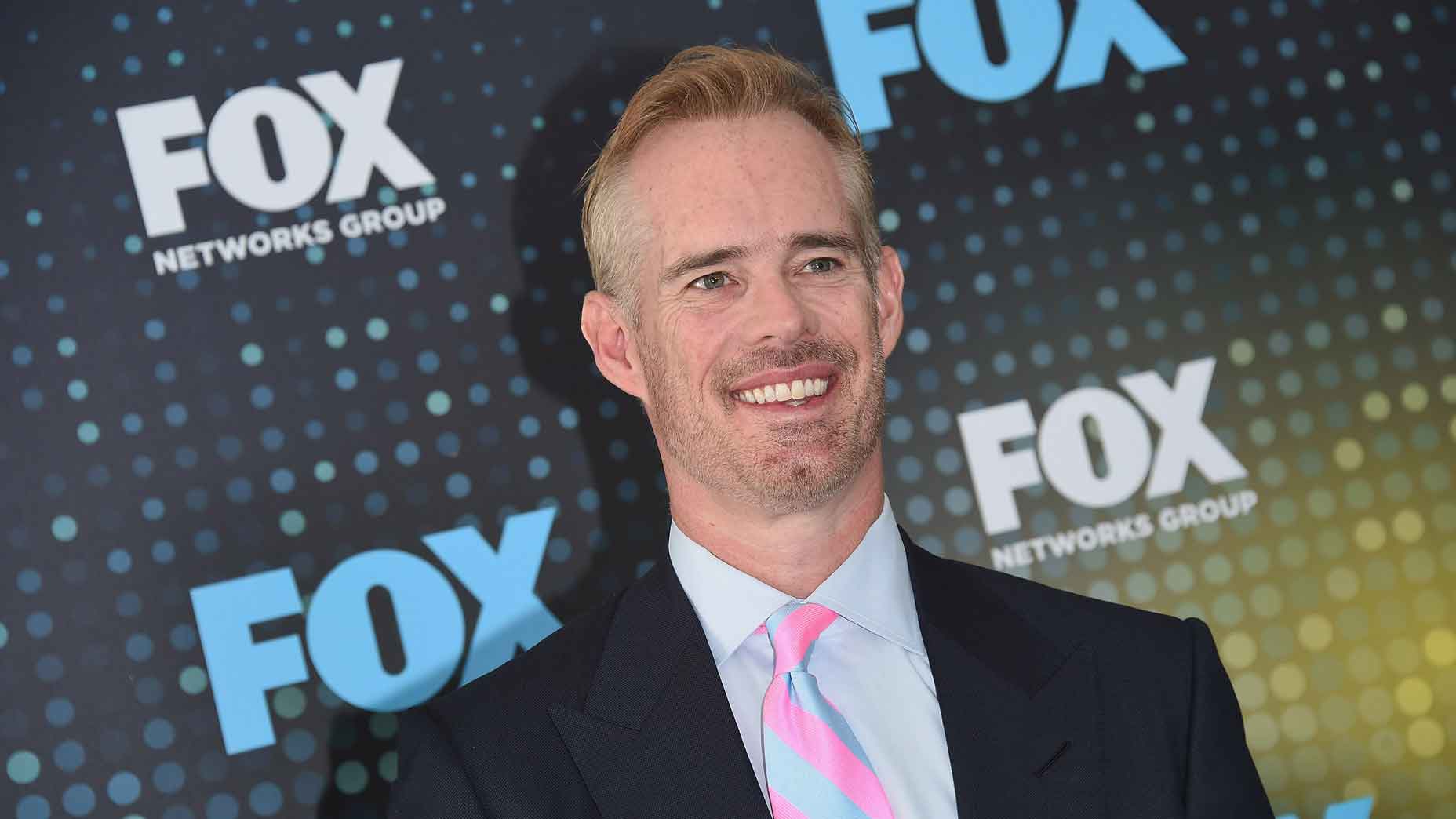
In a revealing interview on GOLF's Subpar podcast, veteran broadcaster Joe Buck shared insights gained from his experience as a golf commentator. Known for his work in professional sports, Buck candidly discussed the unique challenges he faced while transitioning to the world of golf broadcasting. His reflections highlight both his admiration for the sport and the unexpected 'trap' he fell into during his coverage.
Key takeaways
- Joe Buck recognized the distinct challenges of golf broadcasting compared to other sports.
- He spoke about the pressure of maintaining excitement in moments of silence on the golf course.
- Buck shared his personal 'trap' related to over-commentating, sometimes overwhelming the viewer experience.
- His insights reflect a broader learning curve for commentators entering the golf scene.
- Buck's Mount Rushmore of broadcasters features a mix of legends from various sports.
Context and background
The evolution of sports commentary has seen significant shifts over the past few decades. Joe Buck, having made a name for himself as an essential voice in sports like football and baseball, stepped into the golf arena with a well-established reputation. Traditionally, golf commentary is characterized by a more subdued tone, placing a premium on strategy and precision rather than the fast-paced excitement found in other sports. According to statistics, golf audiences tend to favor a balanced blend of commentary that informs without overwhelming, a detail Buck had to navigate as he made his foray into this nuanced genre of sports broadcasting.
Navigating the challenges of golf commentary
Buck's candid conversation on the podcast highlighted the distinct rhythm and pacing of golf commentary, which differs greatly from sports like football or baseball where action is continuous. As he entered this new territory, he soon realized one of the primary pitfalls was the temptation to fill silence with commentary to keep viewers engaged. Golf naturally ebbs and flows, often presenting moments of silence as players focus intently on their shots.
Realizing that excessive commentary could detract from the viewing experience, Buck described how he learned to embrace the stillness and allow the visuals and atmosphere of the golf course to resonate with the audience. This sophomore moment served him well as he processed the subtleties of a golfer's preparation and the anticipation of each shot. His transition underscores a more significant issue faced by broadcasters transitioning into golf commentary, which, according to expert analyses, requires a delicate balance between providing relevant information while also respecting the game's inherent drama.
In their own words
"The biggest trap I fell into was thinking I had to fill every second with talk. Golf has its own rhythm, and sometimes silence speaks louder than words."
— Joe Buck
What this means for golfers
The nuances of commentary in golf are instrumental for recreational golfers as they can offer insights into how to better appreciate the sport. Aspiring commentators or hobbyists should consider the importance of timing and how distilling their commentary can enhance the viewing experience for an audience. Here are a few takeaways that golfers and enthusiasts should note:
- Learn to appreciate the silent moments on the course, which can be as telling as the shots themselves.
- Engage with course strategy, recognizing that understanding a player's mindset can elevate the spectator's experience.
- Practice clear and concise communication, focusing on what truly enhances the narrative of the game.
What's next
Looking ahead, Joe Buck will continue to hone his broadcasting skills. Understanding the intricacies of golf will be essential for his future commentary as he is scheduled to cover more golfing events. Furthermore, partnerships and collaborations with seasoned golf commentators could provide invaluable insights, potentially reshaping how golf commentary is approached in mainstream media. As golf gains viewership, understanding the importance of balanced commentary will become paramount, making Buck's reflections especially crucial to the evolving landscape of golf broadcasting.
/https%3A%2F%2Fcdn.pijper.io%2F2026%2F06%2F1Idb7GKgZ0Kjv31780652026.jpg)