Intro paragraph
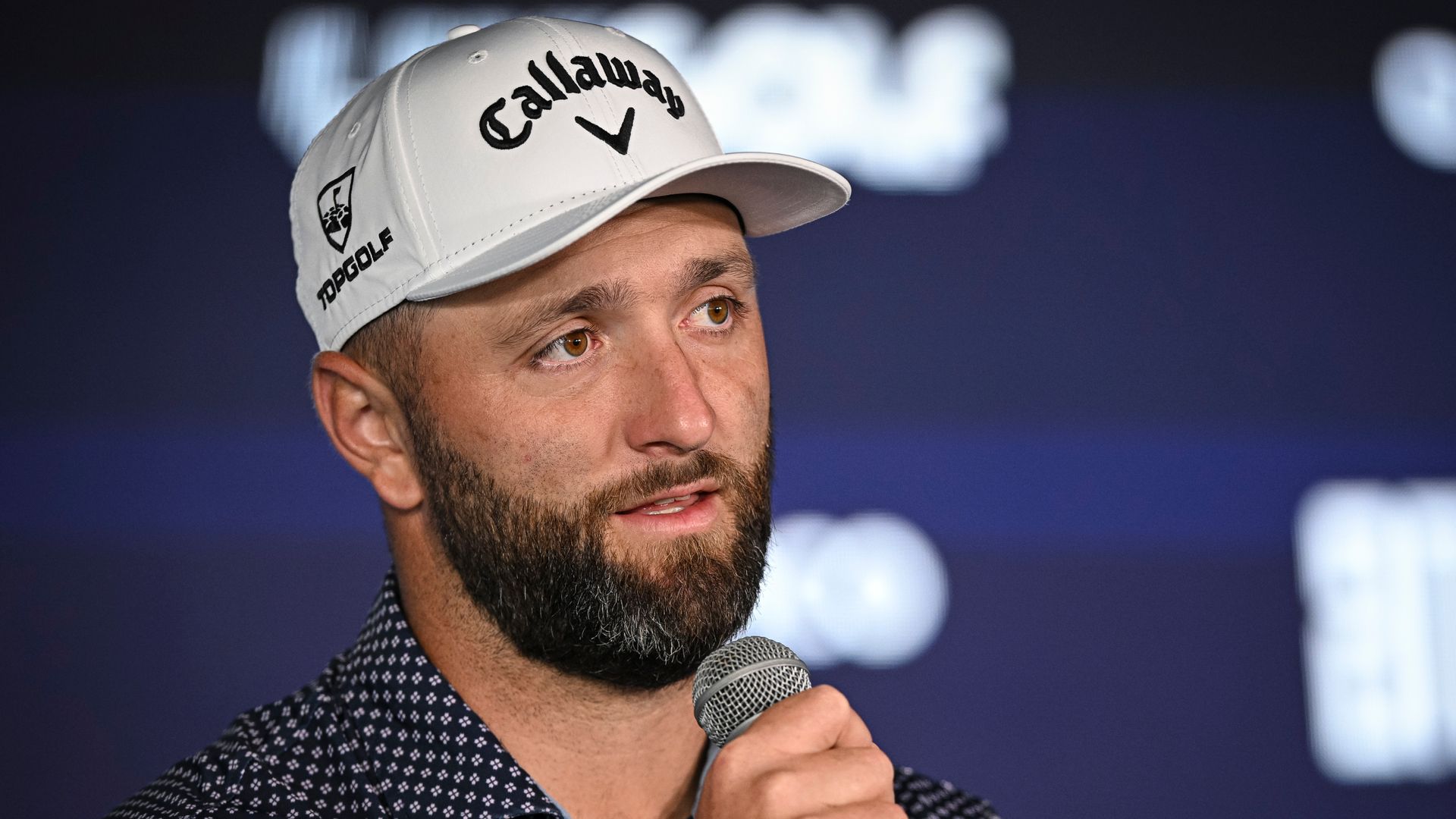
In a bold declaration that underscores both his commitment to the sport and his personal boundaries, Jon Rahm has distanced himself from the ongoing business negotiations surrounding LIV Golf. The world-renowned golfer confirmed he will not join Bryson DeChambeau in meetings with potential investors, citing a lack of business acumen and a desire to stay focused on his game.
Key takeaways
- Jon Rahm will not participate in LIV Golf's funding discussions with potential investors.
- The Spanish golfer highlights his commitment to playing golf rather than engaging in business ventures.
- Rahm’s stance indicates a clear division of priorities among players in LIV Golf.
- The announcement raises questions about the future financial stability of LIV Golf.
- Rahm’s position may influence other players contemplating similar meetings.
Context and background
LIV Golf made headlines when it launched a bold initiative to create an alternative to traditional golf tours, aiming to attract top players away from the PGA. With an influx of funding that has raised eyebrows globally, including investments from sources linked to controversial Saudi Arabian interests, the tour seeks to establish itself as a viable contender in the professional golf scene. Notable names, such as Bryson DeChambeau and Phil Mickelson, have embraced this transition, but others, like Rahm, appear more hesitant.
As of now, LIV Golf’s financial stability remains a point of contention. The tournament's ability to sustain itself in the long term is being tested by factors such as player engagement and viewer ratings. The mixed reception of the tour among traditionalists and the general public adds another layer of complexity to its growth trajectory. Rahm's remark about his lack of business knowledge casts light on the art of balancing personal aspirations with corporate realities in this demanding environment.
Rahm's principled stance on LIV Golf dealings
Jon Rahm's acknowledgment of his disinterest in the funding efforts stems from a broader debate surrounding the implications of LIV Golf on the sport of golf itself. While Bryson DeChambeau actively pursues investors, Rahm's decision to abstain signifies a deliberate choice to maintain focus on the core of his profession—competing and playing the game he loves.
This year, Rahm has been a significant player on the PGA Tour, consistently ranking among the top competitors. His presence at each tournament is closely followed, and his emphasis on golf over business discussions positions him uniquely in the current landscape, where many players are entangled in off-course financial maneuverings.
Statistics reveal that Rahm has made significant strides in his career; he recently clinched the no. 1 rank in the Official World Golf Ranking and has garnered multiple titles, including a major win at the 2021 U.S. Open. His decisions, therefore, not only reflect his personal ambitions but also resonate with fans and aspiring players who find themselves at the crossroads of athleticism and commercialism.
In their own words
"I know nothing about business! My focus is on playing golf, and I want to keep it that way."
— Jon Rahm
What this means for golfers
Rahm’s departure from potential investment discussions sheds light on the type of leadership and integrity values that many golfers hold dear. For recreational golfers, this can serve as a reminder of the importance of prioritizing passion over profit. In an era where many athletes leverage their brand to secure financial benefits, Rahm stands out as a player who chooses to ground his identity firmly in his sport.
This decision might also impact how fans and players approach LIV Golf. While some newcomers may see lucrative opportunities, Rahm's stance is a signal that not all current players are aligned with a business-first mindset. Enthusiasts should look to whether they similarly prioritize sportsmanship or the financial incentives involved when choosing which tours to engage with.
What's next
Moving forward, the spotlight will remain on how LIV Golf adapts to the shifting sentiments expressed by players, particularly those who are reluctant to engage in financial collaborations. As the season unfolds, all eyes are on whether other players will follow suit and maintain a focus on competition instead of representation in corporate deals.
Preparations for upcoming tournaments in both the LIV and PGA scenes will be crucial in determining player involvement rates and overall engagement. The tension regarding funding discussions will likely continue to grow until a more stable model can be established for LIV Golf, potentially influencing which players choose to join or remain in the arena.


/https%3A%2F%2Fcdn.pijper.io%2F2026%2F06%2FRkUgIHk3UBT3tw1781080975.jpg)