


Intro paragraph
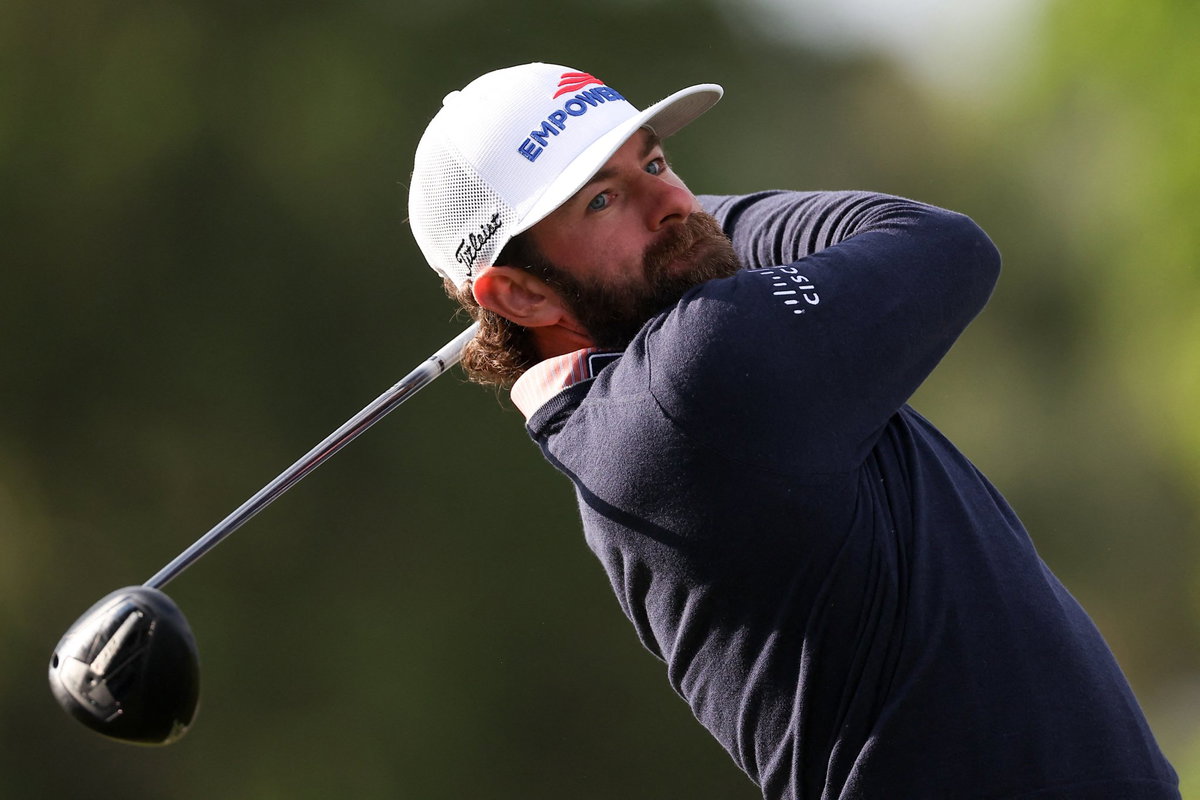
In a bold move that underscores the shifting landscape of sponsorship in professional golf, two-time Major champion Justin Thomas has officially joined fellow pro Tommy Fleetwood as a clothing-free agent. Once recognized for his affiliations with prominent apparel brands, Thomas has opted for independence, leaving golf enthusiasts eager to see how this significant change will influence his style and branding.
Key takeaways
- Justin Thomas has become a clothing-free agent, aligning with Tommy Fleetwood.
- There is currently no timeline for when Thomas might sign a new apparel deal.
- This trend indicates that more golfers are choosing to bypass traditional sponsorship agreements.
- Players are gaining greater control over their personal brands and public images.
- Upcoming major tournaments, such as the PGA Championship, could draw attention to Thomas's sponsorship status.
Context and background
The world of professional golf has seen considerable changes in apparel sponsorship dynamics over the last few years. Traditionally, golfers have been closely affiliated with specific brands, creating partnerships that are often integral to their identities on and off the course. Recent shifts, however, show a movement away from these conventions.
Tommy Fleetwood's previous exit from a clothing sponsorship, alongside Justin Thomas's recent decision to step away from apparel affiliations, highlights this growing trend towards personalized branding within the sport. As of 2022, around 10% of PGA Tour players had embraced the clothing-free agent model—a considerable rise compared to years past, where sponsorship choices were limited to a select number of established golf apparel giants. This trend reflects a desire among players for greater autonomy and self-expression, allowing for more distinctive wardrobes that align more closely with their personal styles rather than conforming to a brand aesthetic.
The rise of clothing-free agents
Thomas’s recent choice to become a clothing-free agent paints a clear picture of this burgeoning trend—one dominated by figures such as Thomas and Fleetwood, who are redefining individual success within a sport that has, for many years, seen its athletes tied to substantial endorsement deals. Without being beholden to brand guidelines, these golfers can curate their appearance according to their preferences.
While the specifics behind Thomas’s split from his former sponsor remain unclear, speculation suggests he may be capitalizing on individual branding opportunities through social media, engaging with fans in ways that reflect his authentic self. This newfound freedom could pave the way for a more vibrant and eclectic expression on the greens.
In their own words
"I think it’s about crafting an image that’s true to myself, rather than strictly adhering to a sponsorship deal. Everyone has a unique style, and I want to make sure mine is reflected on course as well as off it."
— Justin Thomas
What this means for golfers
The rise of clothing-free agents like Thomas and Fleetwood presents exciting opportunities for recreational golfers. As professional players adopt more individualized styles, amateurs may feel encouraged to embrace authenticity in their own wardrobes, translating personal flair into both performance and appearance on the course. Golfers may be inspired to get creatively adventurous with their wardrobes, reflecting their personalities more genuinely.
For manufacturers and designers in the golf apparel space, this shift signals increased competition. Brands may feel pressured to innovate and attract talent rather than continuing with the established practice of binding athletes to long-term contracts. Recreational golfers could find inspiration in this trend, exploring local boutiques or brands that offer unique and personalized designs instead of the mainstream options commonly offered.
What's next
The upcoming major tournaments, including the prestigious PGA Championship, will provide high visibility for Thomas's decision to forgo traditional sponsorship. Fans and analysts alike will be keenly watching to see if he chooses to partner with any new brands or continue his voyage as a clothing-free agent. This decision could dramatically influence his marketability and sponsorship allure moving forward.
In conclusion, the shift towards clothing-free agency on the PGA Tour underscores a crucial transformation in how golfers engage with their brands and public personas. As this trend continues, Justin Thomas and Tommy Fleetwood are set to navigate a new chapter in golfer branding—one that could redefine sponsorships and influence future trends in the world of golf. With the landscape evolving, players are increasingly taking the reins of their image, signaling a power shift that is sure to resonate within the sport for years to come.

/https%3A%2F%2Fcdn.pijper.io%2F2026%2F06%2FRkUgIHk3UBT3tw1781080975.jpg)