
Introduction
In anticipation of the highly-anticipated 2027 PGA Tour schedule, Justin Thomas has provided a candid look into the thoughts and desires of top players during recent media interactions ahead of the Charles Schwab Challenge. This revelation offers a glimpse into the priorities of elite golfers as they navigate a rapidly evolving landscape in professional golf.
Key takeaways
- Justin Thomas discusses the evolving nature of PGA Tour schedules.
- Top players express a desire for flexibility and increased events.
- Cooperation between players aims to enhance player experience on tour.
- The 2027 schedule presents new challenges and opportunities for golfers.
Context and background
The PGA Tour has undergone significant transformations in recent years, particularly since the rise of alternative leagues and increased scrutiny on scheduling and player commitments. In a bid to maintain relevance and attract top talent, the Tour's leadership has been reviewing how events are organized and when they are held. The traditional golf calendar, which has evolved over many decades, is now facing challenges from competing leagues like LIV Golf, prompting the PGA Tour to investigate options that enhance player comfort and maximize performance.
With the 2027 schedule on the horizon, conversations around new formats and events are essential. Stakeholders, including players, coaches, and officials, emphasize the importance of aligning their priorities for the future. Historical data indicates that player input significantly influences scheduling decisions, particularly when a large number of top-ranked players express their preferences to the Tour. The last decade has seen a wave of player empowerment, with notable figures often taking to social media and public forums to voice their perspectives to the organization.
Embracing change: Justin Thomas' insights
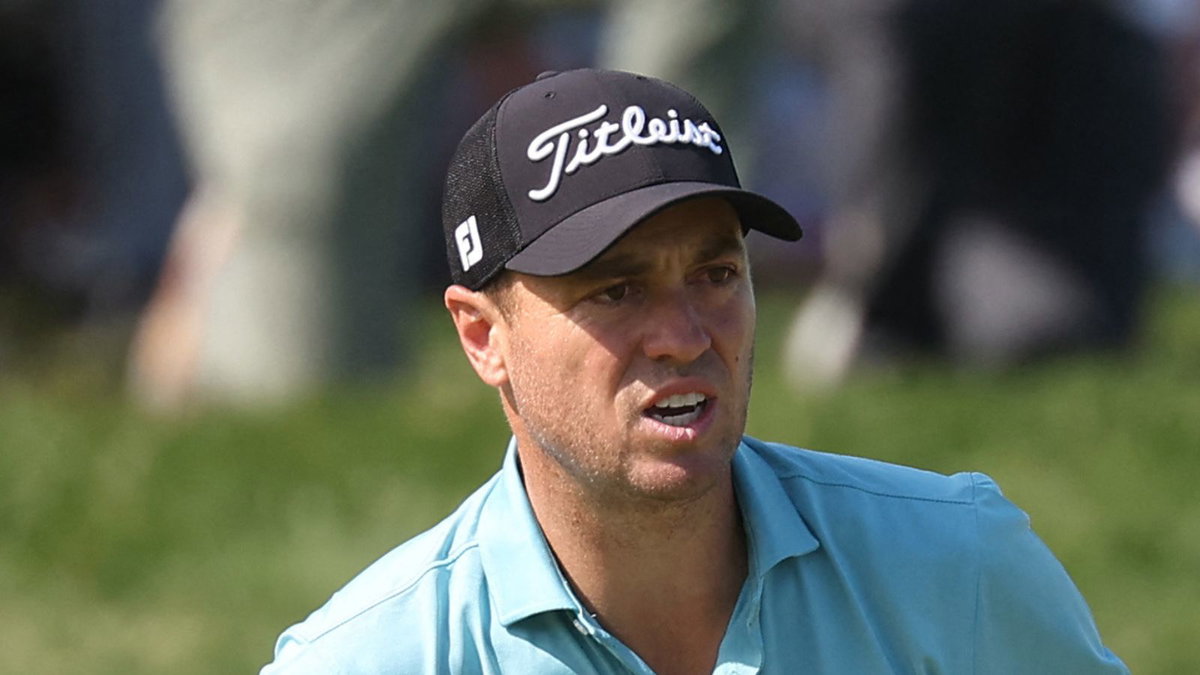
As a prominent voice among his peers, Thomas understands the pressures and expectations facing professional golfers in today's climate. In his recent address to the press, he emphasized the need for the PGA Tour to adapt not just to preserve its status but to enrich the experience and well-being of its players.
“I think it’s crucial for our voices to be heard when it comes to the schedule,” Thomas explained. “We’re the ones who spend countless hours on the course, and it’s essential we have a say in how our lives are organized through tournaments.” His remarks underline a growing sentiment among players that transparency and collaboration are vital to ensure the Tour continues to thrive.
On specific changes, Thomas articulated that flexibility within the scheduling system—allowing players to plan their participation around family commitments, travel concerns, and overall player health—is of paramount importance. This perspective reflects a broader trend within professional sports where mental and physical well-being is increasingly prioritized.
“Our schedules can be grueling. Balancing personal commitments with tournaments can be tough, and any efforts to provide that flexibility will be highly appreciated by the players,”
— Justin Thomas
What this means for golfers
This dialogue around the PGA Tour schedule not only impacts the professionals competing at elite levels but also has practical implications for recreational golfers. As the focus shifts toward scheduling that considers player workload and recovery time, amateurs may find greater opportunities to enhance their skills, as professionals might demonstrate reduced burnout and improved performance.
Golfers of all skill levels can start learning from this emerging trend by placing value on their own enjoyment and well-being while playing. Balancing the demands of the game and personal life will ultimately reflect in the performance and appreciation for the sport. Furthermore, as the tour continues to adapt, recreational players might also see alterations in event formats at courses they frequent, influenced by professional standards and practices introduced from the top down.
What's next
Looking forward, the PGA Tour faces the challenge of finalizing the 2027 schedule amidst ongoing discussions and insights from its top players. Crucial golf events, including major championships, will need to be carefully integrated and coordinated with the changing demands of the modern golfer.
Upcoming gatherings, such as planning summits and player forums, will likely provide further clarity. All eyes will be on how the Tour chooses to embrace and implement these changes in a way that fortifies its commitment to player welfare while ensuring a competitive edge. Fans and stakeholders alike can expect an exciting evolution of professional golf, marked by the continued collaboration between players and the tour in shaping the future of the game.

/https%3A%2F%2Fcdn.pijper.io%2F2026%2F06%2FRkUgIHk3UBT3tw1781080975.jpg)