
Introduction
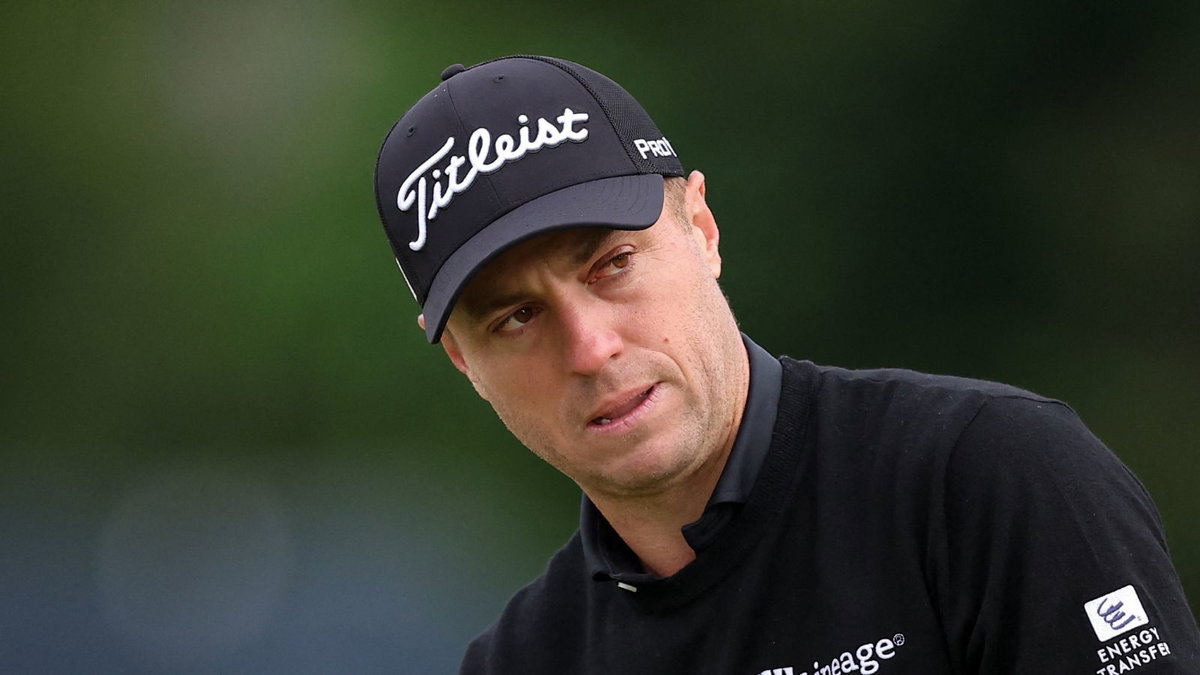
The 2023 PGA Championship is serving as a dazzling stage for golfing prowess, while also illuminating a dispute that frequently arises within the sport: slow play. Justin Thomas, a celebrated figure in professional golf, has recently expressed his frustrations regarding a slow play warning issued to his group during the tournament’s second round. His candid remarks have reinvigorated discussions about the delicate balance between the pace of play and optimal performance on the course.
Key takeaways
- Justin Thomas's group was put on the clock during the second round of the PGA Championship.
- He expressed that he and his playing partners did not agree with the slow play assessment.
- This incident highlights ongoing tensions within the sport regarding pace of play regulations.
- Thomas's comments reflect a broader concern among players about how timing is judged during competitive rounds.
- Slow play remains a contentious issue that can alter the dynamics of tournaments significantly.
Context and background
Concerns over slow play in golf have been ongoing for decades, with this issue perennially surfacing at various levels of the game. While golf is inherently a leisure sport, the expectation during competitive play is to maintain an efficient pace, striking a balance that fosters both competition and enjoyment. Historical incidents have included numerous calls for reevaluation of what constitutes acceptable playing times, prompting rules changes in an effort to curb slow play. In recent years, there has been a concerted push for stricter adherence to these standards, as governing bodies like the PGA Tour have implemented measures to monitor timing and enforce penalties against consistently slow players.
Statistics highlight that the average time for a round can fluctuate dramatically. While rounds ideally should take no more than four hours, they often exceed this benchmark, impacting player performance and audience engagement alike. This averaged delay can diminish the overall viewing experience and enjoyment for both participants and spectators. The events at the 2023 PGA Championship are rekindling these long-standing debates, with Thomas's situation serving as a microcosm of the more significant systemic challenges confronting the sport.
Frustrations on the course: Justin Thomas speaks out
During the PGA Championship, Justin Thomas's group found themselves under scrutiny as they were placed “on the clock” during the second round. Slow play warnings can create an atmosphere of tension that permeates not only the players involved but also the overall flow and reputation of the tournament. Following this experience, Thomas seized the moment to voice his concerns.
"It definitely felt like a situation that was not warranted. We were playing at a reasonable pace, and to be assessed otherwise just didn’t sit well with us.”
— Justin Thomas
The mounting pressure to speed up gameplay forced players to shift their focus, potentially compromising their performance on pressing shots. Research into professional tournament performance has demonstrated a correlation between timing pressures and scoring difficulties. A study specifically indicated that players who are subjected to slow play warnings often record higher scores, indicating that the psychological burden induced by such critiques can adversely affect their game. Thomas's incident serves as a poignant illustration of this dynamic, highlighting the intricate interplay between performance pressures and the pacing of play.
What this means for golfers
Justin Thomas's experience at the PGA Championship provides valuable insights for recreational golfers. Understanding the significance of maintaining pace can directly influence how amateur players develop their skills and enjoy their time on the course. Players should familiarize themselves with established pace guidelines, recognizing that a steady rhythm fosters a positive atmosphere for all participants.
On the equipment front, the incident may encourage some golfers to adopt time-saving technologies, such as rangefinders or GPS devices, which can streamline decision-making during play. Utilizing such tools may not only help individuals manage their time on the course more effectively but also enhance the quality of their game.
What's next
The ramifications of Thomas's slow play warning are likely to be dissected as we move closer to upcoming tournaments, particularly with the next major events on the horizon. Players and fans alike will be attentive to how this incident may influence the execution of timing regulations by tournament officials going forward. As the emphasis on the pace of play becomes increasingly pronounced, golfers may find themselves needing to adapt to the evolving expectations set by governing bodies.
In conclusion, the discourse surrounding slow play highlights a critical intersection of player performance, audience engagement, and the integrity of golf's enduring values. How this conversation evolves will undoubtedly shape the future direction golfers take in their efforts to enhance the game for all involved, both professionals and amateurs alike.

/https%3A%2F%2Fcdn.pijper.io%2F2026%2F06%2FRkUgIHk3UBT3tw1781080975.jpg)