


Intro paragraph
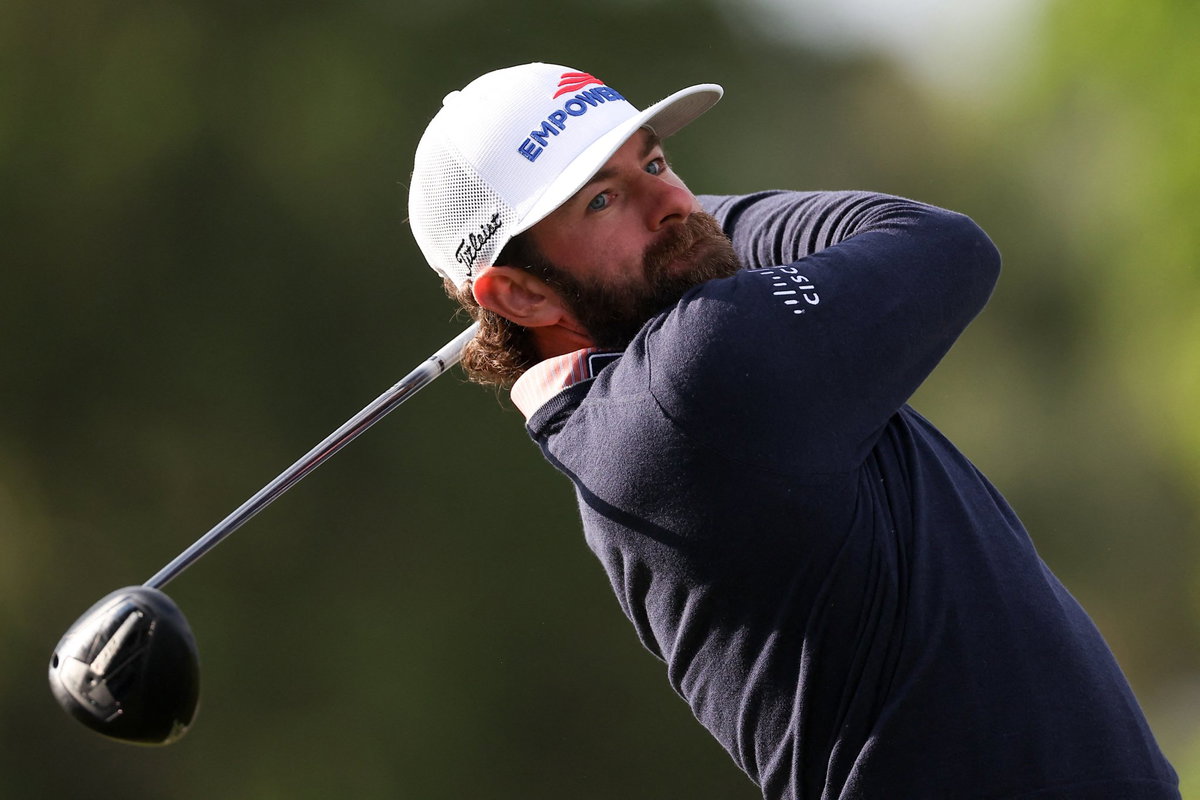
In the world of professional golf, where precision and diplomacy are both valued, Kevin Kisner recently found himself in hot water after a pointed critique of CBS's coverage of the Masters Tournament. Following his comments, the seasoned golfer took the time to apologize, recognizing that his words may have gone 'too far' and sparked unnecessary controversy. This incident has stirred discussions about the relationship between athletes, media, and fans in the high-stakes world of professional golf.
Key takeaways
- Kevin Kisner admitted to overstepping with critical remarks on CBS's Masters broadcast.
- The golfer expressed regret and issued an apology to the CBS golf team.
- The incident highlights the ongoing dialogue about media portrayal of golf tournaments.
- Kisner's comments reflect the heightened emotions surrounding major events in professional golf.
- This situation raises questions about the accountability of athletes when addressing media coverage.
Context and background
The Masters Tournament, held annually at Augusta National Golf Club, is one of golf's four major championships and attracts significant media attention, making it a high-pressure event for players and broadcasters alike. CBS has been the exclusive broadcaster of the Masters for decades, setting the gold standard for golf coverage. However, it is not uncommon for players to express frustrations regarding broadcasts, especially during major tournaments where precision and performance are under a microscope.
Historically, criticisms of media coverage come with the territory in major sports; players often comment on commentary styles, shot selections shown, or even the pacing of coverage. Yet, Kisner's recent remarks appear to have struck a chord that resonated throughout the golfing community and beyond. In 2021, Kisner secured his first win on the PGA Tour in three years, suggesting that performance issues can amplify frustrations with how tournaments are presented. Moreover, his standing as an established player gives weight to his voice, increasing the impact of such criticism.
Kisner's heartfelt reflection on media relationships
Kevin Kisner's comments about CBS started as a critique of how the Masters was covered but quickly escalated into a full-fledged apology narrative. Recognizing the importance of balanced relationships within golf and media, Kisner stated he was compelled to reach out to the CBS golf team directly after realizing the weight of his words. In sports, feedback is crucial, and while gentle critiques can foster improvement, harsh condemnations can create rifts.
During his explanation, Kisner noted that he understands the immense effort that goes into producing the broadcast. Coverage of the Masters is a collaborative endeavor involving countless individuals who contribute toward delivering a seamless experience for fans. Every angle, story, and nuance is meticulously crafted, and Kisner acknowledged that his remarks could undermine that hard work. The apology was not only a personal reconciliation but also a recognition of the collaborative spirit that is necessary for success in both golf and broadcasting.
Statistically, Kisner has maintained a relatively stable presence within the top 50 of the Official World Golf Ranking over the past few years, which marks him as a respected veteran on tour. His reflections, coupled with his established career, provide an insightful perspective on striking the right balance between candid opinions and the impacts of public commentary.
In their own words
"I realize now that I may have gone too far with my criticism. My intention wasn't to hurt the great people on the CBS team who pour their hearts into this event. I sincerely apologize for any offense I caused."
— Kevin Kisner
What this means for golfers
For recreational golfers, the incident serves as a reminder of the significance of communication and the impact of their words—both on and off the course. It is vital to express feedback thoughtfully rather than with harshness that can alienate or offend. In addition, the backlash of public criticism reinforces the idea that while athletes may feel justified in their assertiveness, the repercussions can be far-reaching.
Moreover, golfers can learn about the importance of media relationships and the collaborative role of broadcasting in promoting the sport. It encourages players to engage positively with the media, ensuring that they communicate respectfully with those who cover the game and create fan narratives.
What's next
Looking ahead, Kisner will undoubtedly focus on his performance in the upcoming tournaments, where he will face a demanding schedule within the PGA Tour. Meanwhile, CBS will likely continue to evolve its coverage, using feedback—whether positive or critical—to inform their future broadcasting strategies. This incident could initiate discussions within the golfing community about how to handle criticisms in a constructive manner that fosters growth, understanding, and ultimately an improved viewing experience for fans.
As players and broadcasters continue to navigate their roles, fans will be eager to see how they stabilize their relationships and ensure that the game remains at the forefront of their efforts.


/https%3A%2F%2Fcdn.pijper.io%2F2026%2F06%2FRkUgIHk3UBT3tw1781080975.jpg)