Intro paragraph
This year’s U.S. Women’s Open is shaping up to be a test of skill and strategy, and it’s largely due to one notorious element: Kikuya grass. As players navigate the lush yet challenging course at the Riviera Country Club, embracing the conditions will be critical for success.
Key takeaways
- Kikuya grass, while visually appealing, poses unique challenges for golfers unfamiliar with its dense nature.
- Jennifer Kupcho leads after a strong first round, showing capabilities in handling the difficult course.
- The Riviera agronomy team emphasizes preparation as key to mastering the conditions presented by Kikuya.
- Several prominent players face challenges early in the tournament, needing to adapt quickly to their surroundings.
Context and background
The U.S. Women’s Open is one of the most prestigious tournaments in women’s golf, drawing top talent from around the globe. Held at the iconic Riviera Country Club, the event not only tests golfers' skill but also their adaptability to challenging course conditions. Riviera is known for its beautiful landscape and rich history, dating back to its establishment in 1926. Over the years, the club has hosted numerous major events, but this year’s emphasis on Kikuya grass presents a new layer of complexity.
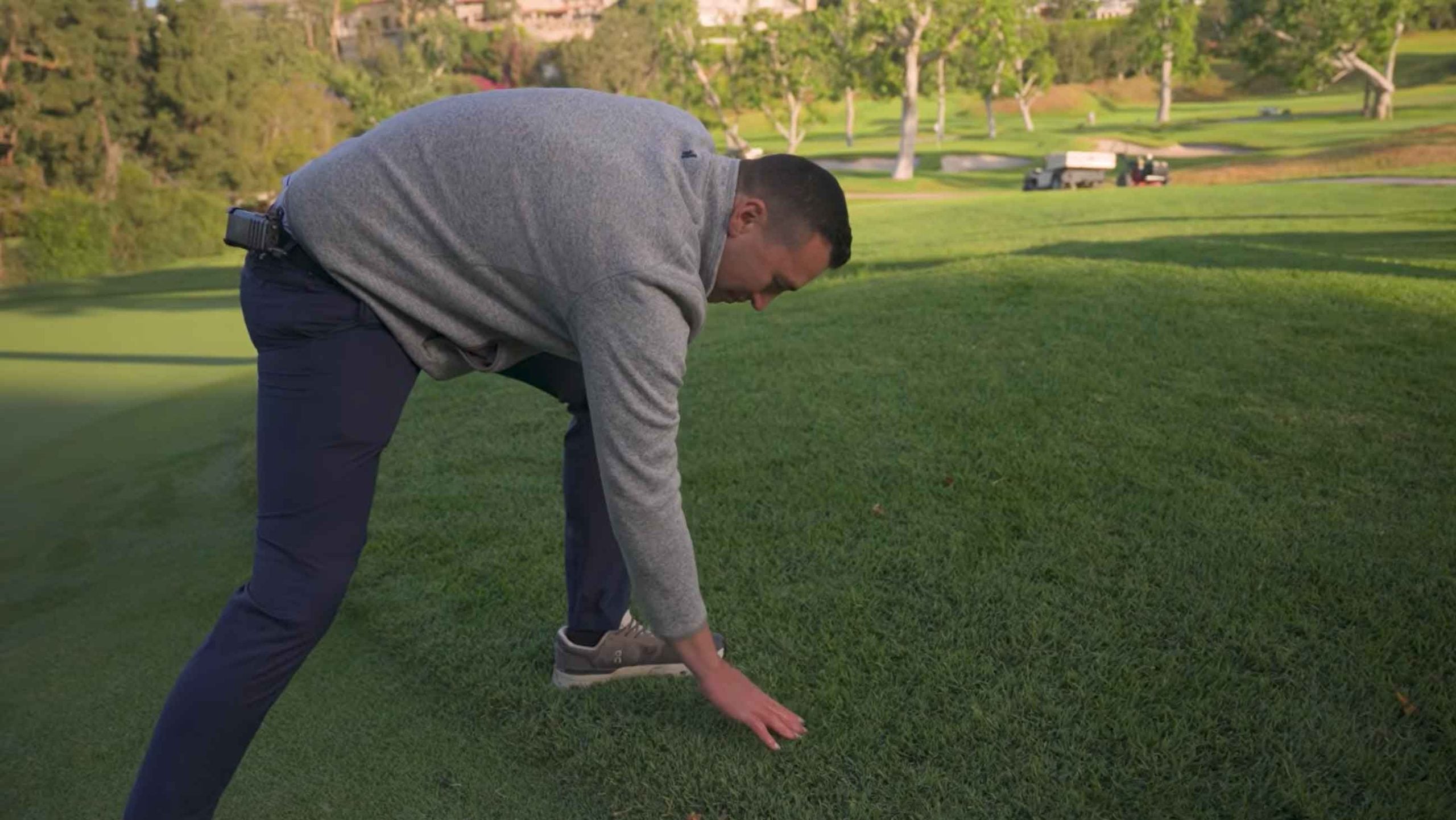
Kikuya, a grass native to coastal regions of Africa, has been used at Riviera for many years. While its deep roots can create a soft, lush carpet, it also makes for unpredictable ball lies and challenging recovery shots around the green. Understanding how to play out of the dense grass can be the difference between a championship contender and an early exit.
Challenges posed by Kikuya grass
As players took their first swings at the tournament, the Kikuya grass quickly revealed its tricky nature. Many golfers reported that approach shots landing within Kikuya often resulted in unpredictable bounces and heavy lies, making it tough to judge distances for their second strokes into the green. The coated nature of Kikuya means balls can get stuck down low, leading to unexpected challenges that can derail even the best of players.
During practice rounds, the Riviera agronomy team worked closely with players to educate them on the nuances of navigating this challenging terrain. They emphasized the importance of strategy in handling second shots and how to adapt swing techniques to minimize the impact of Kikuya's resistance. Properly judging pin placements became essential, given how the grass behaves around the greens.
Despite the challenges presented by Kikuya, Jennifer Kupcho showcased her prowess, taking the lead in the first round and proving she has the skills to conquer the course elements. Her strong performance is a testament to the effectiveness of meticulous preparation combined with a responsive approach to the golf course's unique demands.
In their own words
"Playing on Kikuya is like nothing else. It's beautiful, but it forces you to rethink your strategy at every approach. You might hit a perfect shot, but if you land in that stuff, it can ruin everything."
— Professional Golfer
"The agronomy team here at Riviera has been fantastic in helping us understand the course better. Knowing how to deal with Kikuya can make or break your round."
— Jennifer Kupcho
What this means for golfers
The conditions posed by Kikuya grass at the U.S. Women’s Open provide valuable lessons for recreational golfers, emphasizing adaptability in diverse playing conditions. For amateur players, enhancing one’s understanding of different grass types can lead to improved performance. Practicing in varied conditions can be a game-changer, as many local courses feature similar grasses.
If golfers find themselves battling Kikuya or similar types, they should consider adjusting their approach strategy and shot execution. This means using more loft on approach shots and being prepared for deviations in ball control after landing in the thick grass.
What’s next
As the tournament progresses, players will need to continue adapting to the unique challenges of the Riviera course, where Kikuya grass is coming into play more than ever. Upcoming rounds will surely see a variety of players using different strategies and tools to conquer these obstacles, and fans can anticipate watching how the leaderboard shifts. The tension will mount as players adjust their strategies, and every shot counts leading up to the weekend’s final rounds.
The implications of this year’s U.S. Women’s Open will extend beyond the tournament as players take away lessons learned from their experiences on difficult lies and unpredictable conditions, potentially influencing how they approach future tournaments.

/https%3A%2F%2Fcdn.pijper.io%2F2026%2F06%2F1Idb7GKgZ0Kjv31780652026.jpg)