Intro paragraph
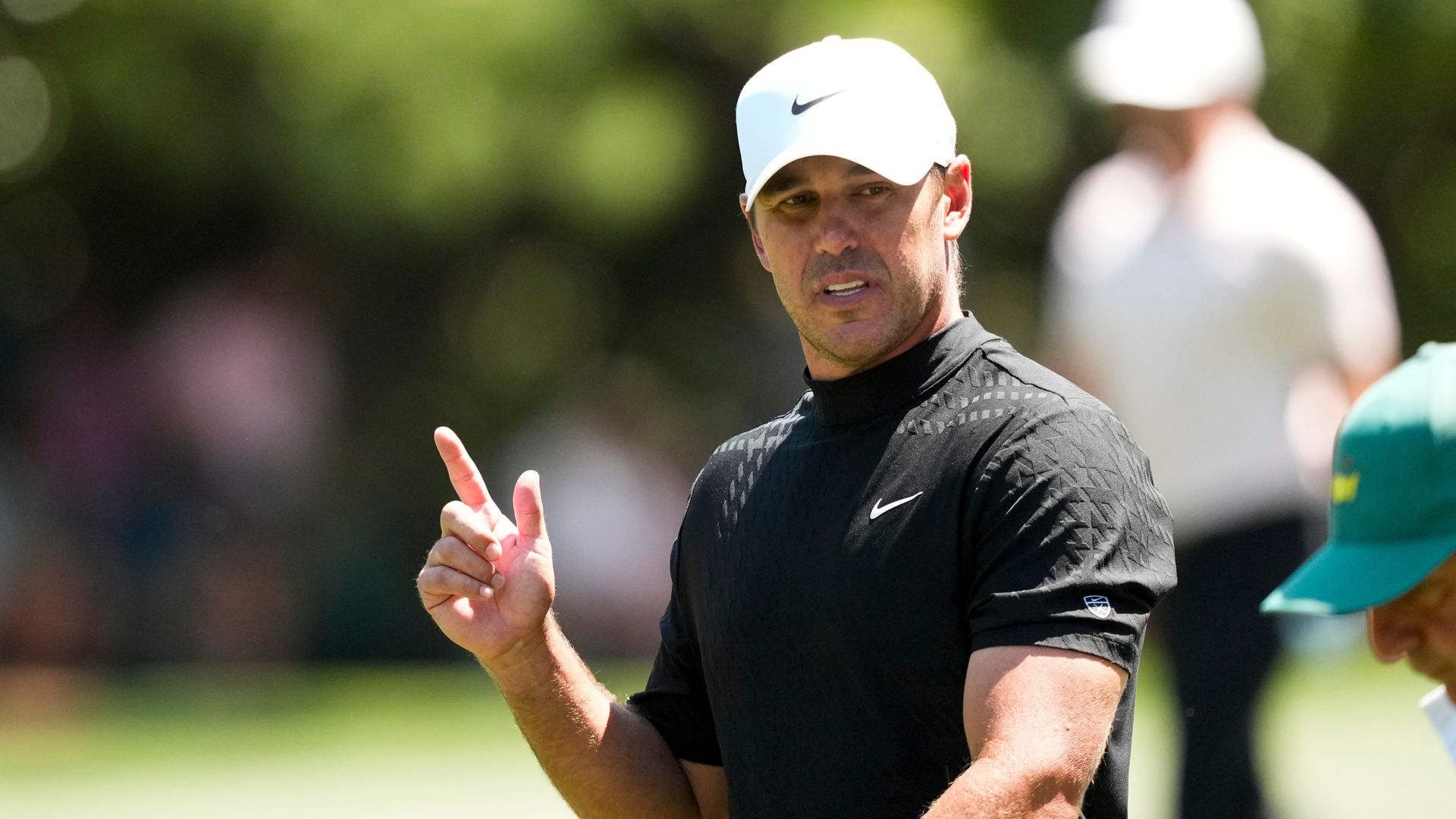
This week, the Zurich Classic of New Orleans takes center stage as two of the most dynamic figures in golf, Shane Lowry and Brooks Koepka, join forces in a team format that promises to electrify fans and players alike. Set against the charming backdrop of TPC Louisiana, the pairing of Lowry's consistent approach with Koepka’s aggressive play creates a captivating narrative for upcoming golf events.
Key takeaways
- Shane Lowry and Brooks Koepka are partnering for this week’s Zurich Classic.
- The event features a team format, which differentiates it from standard PGA Tour tournaments.
- The Zurich Classic is played at TPC Louisiana, a premier venue known for its challenging layout.
- This marks another significant moment for both golfers as they aim to mesh their skills on the course.
- Fans can expect thrilling golf, as both players bring their strengths into play.
Context and background
Since its inception in 1938, the Zurich Classic has established itself as an enduring part of the PGA Tour landscape. Over the decades, the tournament has seen various evolutions in its format, with the most significant change coming in 2017 when it adopted a team format, allowing players to pair up and combine their skills in competition. This shift has not only intensified the camaraderie on the course but also diversified the tournament, attracting an eclectic mix of competitors and offering fans innovative engagement opportunities.
TPC Louisiana, where the tournament unfolds, features a daunting 7,425 yards of par-72 golf, marked by numerous water hazards and strategically located bunkers. The course’s design demands not just skill but also strategic thinking—elements that are sure to come into play as teams grapple with its challenges.
Inside the pairing: Lowry and Koepka’s teamwork
Shane Lowry and Brooks Koepka arrive at the Zurich Classic with impressive golfing backgrounds. Lowry is particularly celebrated for his patience and steadiness; traits that serve him well under pressure. His experience on various courses allows him to maintain composure, making him a reliable partner. On the flip side, Koepka is known for his explosive style of play characterized by powerful drives and bold strategies. This stark contrast in playing styles creates a rich dynamic, making their collaboration one of the most intriguing pairings of the event.
The reigning Open Championship winner, Lowry's calm demeanor is expected to effectively complement Koepka’s more daring gameplay, potentially creating ample opportunities for birdies. Both competitors have experienced significant success in their individual careers, which presents a unique opportunity for enhancing teamwork in a competitive setting.
In a team format like the Zurich Classic, effective communication and mutual support become pivotal for success. Golf strategies based on course conditions and personal strengths will play a critical role throughout the tournament. Koepka’s capacity to attack par-5 holes with his driving skills combined with Lowry’s expertise in approach shots and short game skills could be especially beneficial on the course's more intricately designed holes. Analysts believe this pairing has the potential to make them serious contenders for the title.
In their own words
"I'm really looking forward to teaming up with Brooks. It’s a different challenge and one I’m excited to take on with him."
— Shane Lowry
"Teaming up with Shane is going to be fun. We both have different games, and I think that will help us."
— Brooks Koepka
What this means for golfers
The unique team format of the Zurich Classic provides critical insights for amateur and recreational golfers. Collaboration is integral to achieving shared objectives in this sport, and the event serves as a perfect reminder that golf is as much about strategy and team dynamics as it is about individual talent. Observing how Lowry and Koepka navigate the course could teach valuable lessons on shot selection, risk management, and when to prioritize aggressive play versus a conservative strategy.
Golf enthusiasts keen on improving their game can also learn from the interplay established between teammates. Understanding how to leverage each player's strengths within a team context can greatly impact one’s performance in recreational matches. The excitement and anticipation surrounding the Zurich Classic can motivate golfers to adopt a similar team-oriented approach, enhancing both their strategy and enjoyment of the game, especially in competitive settings.
What’s next
As the Zurich Classic unfolds, fans will witness the story between Koepka and Lowry play out, capturing the dynamic and synergy they’ve crafted leading up to this event. Following the tournament, many players will transition back to individual competitions, with a spotlight on the upcoming major tournaments such as the PGA Championship looming on the horizon. Enhanced performances in these team formats could very well provide lasting momentum into future events, underscoring the importance of adaptability and teamwork in the game of golf.

/https%3A%2F%2Fcdn.pijper.io%2F2026%2F04%2FCHBbdldhJ8Ukb61777022831.jpg)