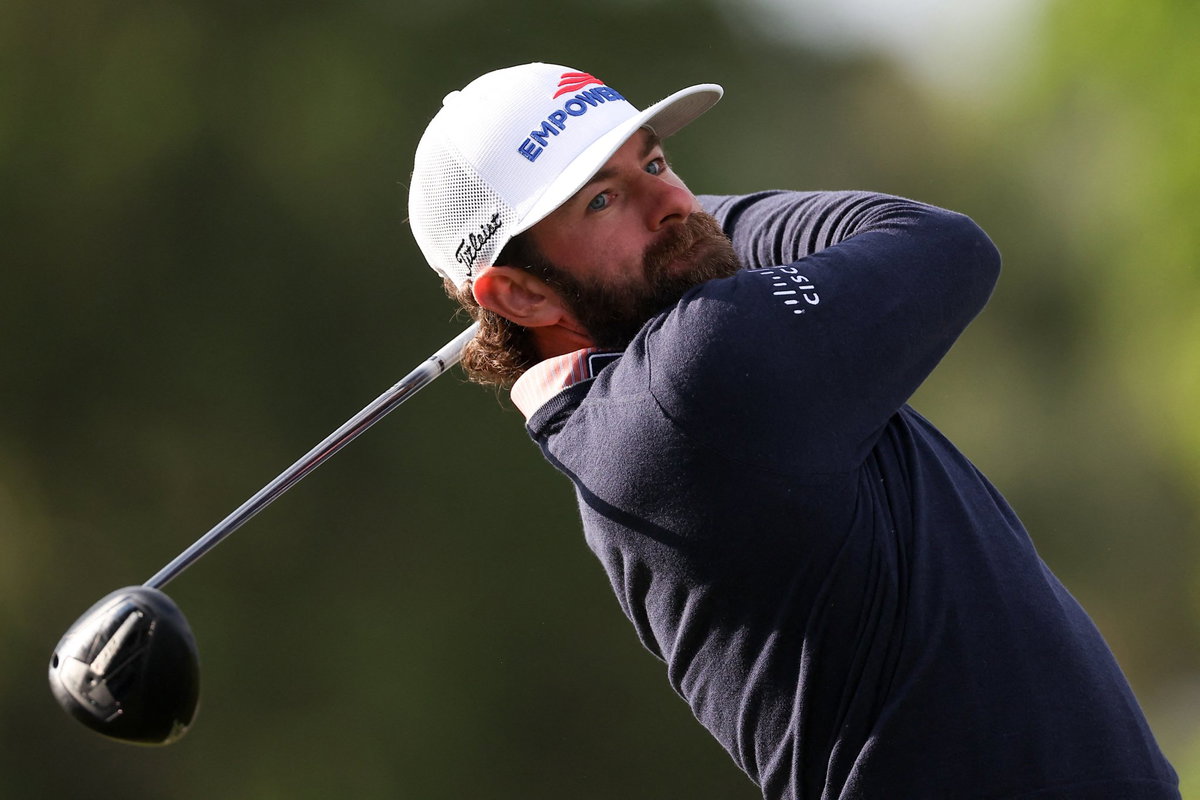


As the dust settles on the latest LIV Golf season, Lee Westwood has captured headlines for more than just his performance on the course. The 52-year-old veteran recently opened up about a worrying wrist injury that left him unable to hold a putter just seven weeks ago. It’s a stark reminder of the physical toll that professional golf takes on players, especially as they age. With Westwood now focusing on recovery and preparation, his reflections on this injury scare reveal much about the challenges athletes face in maintaining peak performance.
Key takeaways
- Lee Westwood suffered a wrist injury while pursuing high ball speeds.
- The injury caused him severe difficulty even holding a putter just weeks before LIV Golf events.
- Westwood's injury highlights the physical demands placed on golfers, regardless of age.
- The player's recovery journey is emblematic of challenges seniors face in professional sports.
- This incident raises questions on managing fitness regimes in relation to age and physical capability.
Context and background
Lee Westwood, one of golf's most seasoned competitors, has a storied career spanning over three decades. Turning professional in 1993, he secured 44 professional wins, including two victories on the PGA Tour and numerous titles across Europe and Asia. Known for his skill and reliability, Westwood has also demonstrated remarkable longevity in the sport, often competing against much younger players. However, as age creeps in, the physical demands of the sport can pose increased risks for seasoned athletes. This recent wrist injury of Westwood's raises important discussions about the intersection of age, performance, and injury in professional golf.
Westwood's injury: a precautionary tale
In recent statements, Westwood described the moment he realized the extent of his injury: "I was chasing a 180 mph ball speed," he explained, emphasizing how tempting it can be for seasoned players to push their limits as they compete in a fast-evolving game. The desire to achieve impressive statistics, particularly in the new competitive landscape of LIV Golf, can lead players to ignore their physical limitations.
The injury prevented Westwood from performing even the simplest tasks, such as holding a putter. It serves as an alarming reminder that professional athletes are not immune to the ravages of time. To put his predicament in perspective, a seven-week recovery period is often a significant challenge in golf, where precision is paramount.
Statistically, Westwood has played more than 1,200 professional rounds, with an average of hitting around 12-14 greens in regulation per round throughout much of his career. Yet, these staggering numbers also indicate the level of strain that repetitive motions can inflict on a golfer's body. With wrists, elbows, and shoulders bearing the brunt of each swing, injuries like Westwood’s become an unfortunate reality.
In their own words
"I forgot I was nearly 53 and not 23. You can't always chase after those numbers like when I was younger."
— Lee Westwood
"This injury made me realize the importance of not just the physical strength but also the approach to maintenance and recovery at my age."
— Lee Westwood
What this means for golfers
For recreational golfers looking to draw lessons from Westwood's ordeal, his experience serves as a critical reminder of the importance of fitness and injury management. The pressures of performance can lead many players to neglect their physical limitations, leading to career-threatening injuries. Westwood's journey emphasizes the importance of listening to one’s body and recognizing when to adjust one's technique and practice habits accordingly.
Also, emerging technologies in golf, particularly in biomechanics and training aids, can help golfers understand their physical capabilities better. Serious golfers should consider integrating fitness assessments and strength training into their routines, particularly as they age, to help prevent injuries.
What's next
As Westwood returns to competitive form, all eyes will be on his performance in upcoming LIV Golf events. The league has provided an exciting platform for golfers seeking both competition and significant prize purses. His progress will not only be crucial to his own ambitions but also to the broader context of how aging athletes manage their transitions within the sport. Moving forward, fans and analysts alike will be keenly observing how Westwood navigates this pivotal chapter of his career, balancing the desire for competitive excellence against the realities of aging and injury.