

Intro paragraph
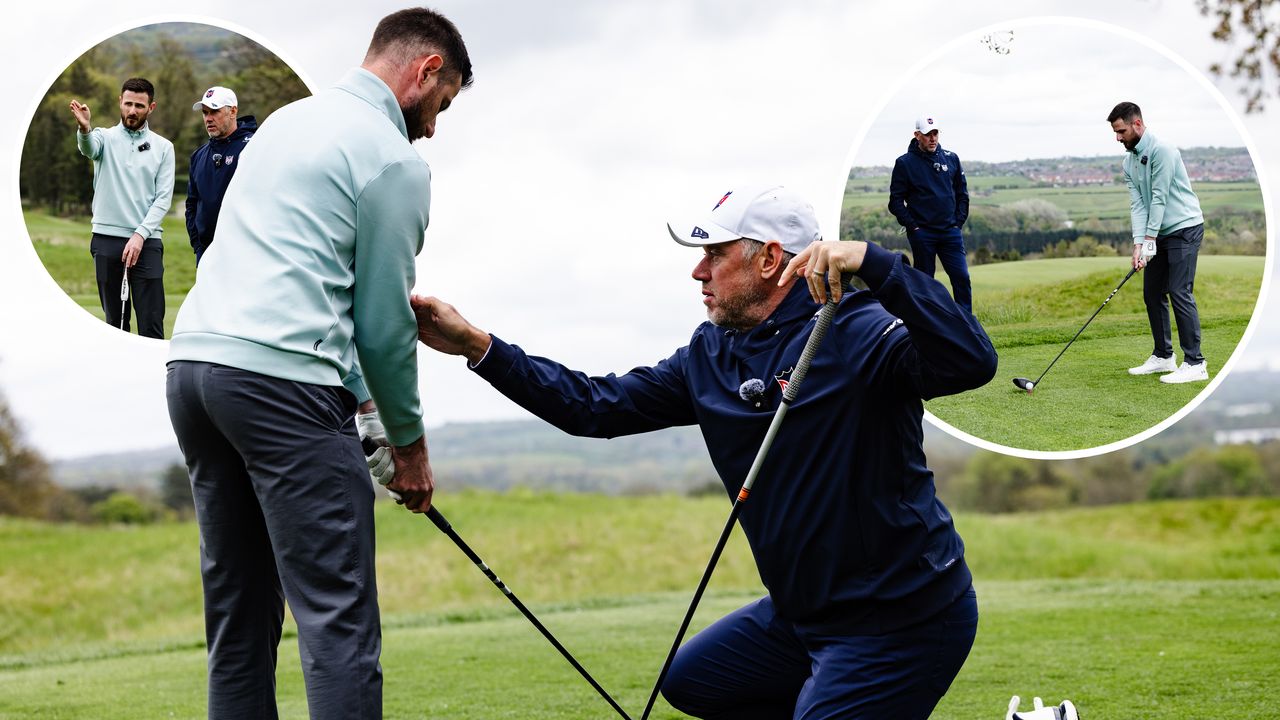
When it comes to improving your golf game, learning from the best can make all the difference. Recently, I had the privilege of receiving a golf lesson from former World No. 1 Lee Westwood, whose expertise and experience have provided me with invaluable insights that can help high-handicap golfers lower their scores. Here are the key takeaways that can transform your approach to the game.
Key takeaways
- Focus on fundamentals: The grip, stance, and alignment are crucial for a solid foundation.
- Practice with purpose: Intentionally practicing your weaknesses allows for quicker improvement.
- Course management matters: Understanding the course can lead to smarter decision-making.
- Prioritize short game: Improving chipping and putting is essential for lowering scores.
- Maintain a positive mindset: Confidence can significantly impact performance.
Context and background
Lee Westwood's professional career spans over three decades, during which he has secured 44 worldwide victories, including two wins at the elite World Golf Championships. Having reached the pinnacle of the sport as the World No. 1 in 1998 and again in 2000, Westwood's insights are rooted in firsthand experience of both highs and lows on the golf course. Statistics show that high-handicap golfers often struggle with consistency due to various factors, including swing mechanics and mental approach. By distilling Westwood's advice into actionable strategies, these golfers can improve their game and enjoy increased confidence on the course.
Learning from a champion: Insights from my lesson with Westwood
During my session with Lee Westwood, I quickly realized the significance he places on mastering the fundamentals. He emphasized that without a strong grip, stance, and alignment, even the best swings could lead to inconsistency. For high-handicappers, focusing on these basics can alleviate many common issues that plague their games.
One of Westwood's standout recommendations was to practice with specific goals in mind. Rather than aimlessly hitting balls at the driving range, golfers should identify particular weaknesses—whether that's a slice off the tee or difficulty with approaches to the green—and tailor their practice accordingly. “The mind can only concentrate on one thing at a time,” Westwood noted, emphasizing the importance of dedicated practice sessions over mindless repetition.
Moreover, course management emerged as a critical theme in our discussions. Westwood advised that understanding the course layout, including hazards, pin placements, and wind conditions, allows golfers to make smarter choices during play. High-handicappers often take unnecessary risks, but Westwood's approach advocates playing to one's strengths and avoiding potential trouble spots. As he put it, “Know where you are strong and play to that. Avoid the big numbers by choosing safer options.”
Another key takeaway was the paramount importance of the short game. Statistics show that a significant portion of strokes in a round is lost around the green. Westwood highlighted that sharpening chipping and putting skills can drastically affect overall scores. He suggested dedicating more practice time to these areas, stating, “Putting is where the game is won or lost. Spend time perfecting your short game, and you will see immediate benefits.”
Finally, Westwood stressed that maintaining a positive mindset is crucial for performance. Golf is as much a mental game as it is physical, and fostering confidence can inspire better results. Westwood advised golfers to embrace mistakes as learning experiences rather than failures, saying, “Every shot is a chance to improve. Stay positive and keep your head up. Focus on the next shot, not the last.”
In their own words
“A solid grip, stance, and alignment are the keys to consistency.”
— Lee Westwood
“The mind can only concentrate on one thing at a time. Identify your weaknesses and practice accordingly.”
— Lee Westwood
“Know where you are strong and play to that. Avoid the big numbers by choosing safer options.”
— Lee Westwood
“Putting is where the game is won or lost. Spend time perfecting your short game, and you will see immediate benefits.”
— Lee Westwood
“Every shot is a chance to improve. Stay positive and keep your head up.”
— Lee Westwood
What this means for golfers
For recreational golfers, the lessons learned from Lee Westwood offer a roadmap to improvement. By focusing on fundamentals and practicing with specific goals, high-handicappers can see significant reductions in their scores. The discussion on course management highlights the need for strategic thinking on the golf course; golfers should evaluate their strengths and weaknesses before each round to make safer, more informed choices.
Investing time in short game practice will yield the most significant rewards, as well-trained chipping and putting strokes can save crucial strokes during a round. Additionally, maintaining a positive mindset allows golfers to handle the inevitable ups and downs of the game, fostering resilience and joy as they play.
What's next
As golfers head into the upcoming season, keeping these tips in mind can set them on a path toward improvement. With numerous local tournaments and club competitions on the horizon, honing these skills will be essential. Whether you’re picking up speed with the driver, strategizing around the course, or focusing on those short, impactful moments on the green, there is ample opportunity to apply Westwood's expertise. Consider enrolling in local clinics or seeking out coaching sessions to further enhance these skills, and watch as your game transforms in exciting ways.
/https%3A%2F%2Fcdn.pijper.io%2F2026%2F06%2F1Idb7GKgZ0Kjv31780652026.jpg)