

Intro paragraph
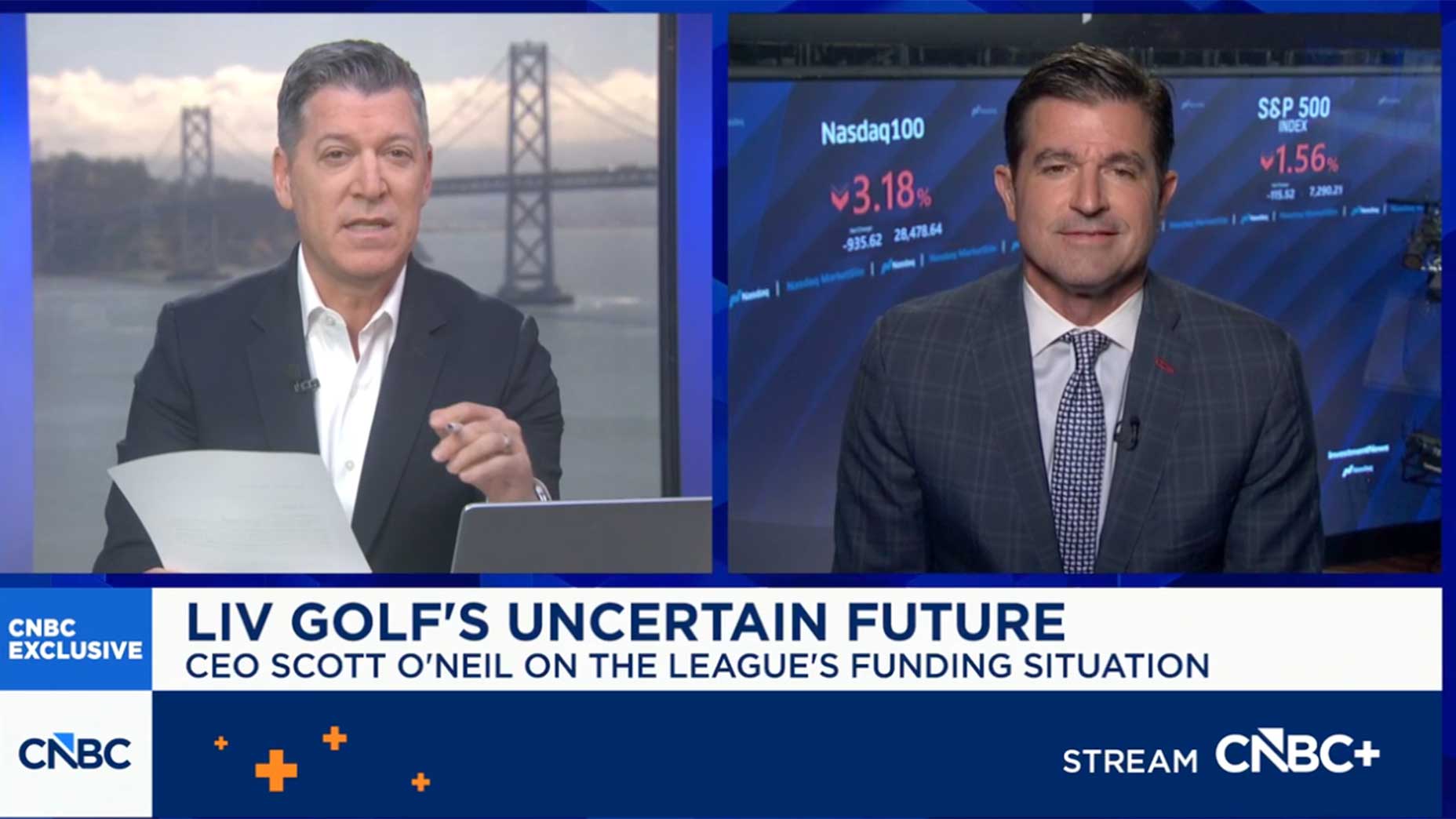
The spotlight on LIV Golf is shining ever brighter as its CEO, Scott O'Neil, recently declared on CNBC's "Halftime Report" that the league is gaining significant momentum. However, his avoidance of a crucial question regarding the league's financial stability has left fans and analysts reeling for clarity in an increasingly divided golf landscape. As alternative leagues continue to grow, understanding LIV Golf's future direction is essential.
Key takeaways
- Scott O'Neil claims LIV Golf is seeing significant momentum.
- Critical questions about the league's funding sources remain unaddressed.
- The league aims to solidify its presence in professional golf.
- LIV Golf continues to attract high-profile players, increasing competition.
- Fan interest in LIV Golf's future and financial stability is rising.
Context and background
Founded in 2021, LIV Golf has quickly become a controversial figure in professional golf, aiming to reshape the sport with more lucrative opportunities for players. Backed by the Saudi Arabian Public Investment Fund, LIV Golf managed to lure many of golf's biggest stars away from the more traditional PGA Tour with offers reportedly worth hundreds of millions. This migration of talent has not just disrupted the PGA Tour’s long-standing dominance; it also revealed the financial power of the organization.
However, the league's rapid rise has been accompanied by an undercurrent of skepticism regarding its longevity. Initial doubts centered on the sustainability of LIV's funding and its potential impact on the golf ecosystem, stirring debates about ethics, player loyalty, and the principles of sportsmanship. As A list players flock to LIV, its self-proclaimed “great momentum” must translate into convincing answers regarding its financial viability to overcome persistent skepticism.
Ambiguity in the air: the full story
During his recent appearance on “Halftime Report,” Scott O’Neil exhibited optimism, stating that LIV Golf is experiencing excellent momentum. Yet, his reticence in answering vital questions about the league's financial backing underscores a troubling ambiguity. Despite boasting about their growth potential and attracting notable players, there remains widespread concern about how the league will sustain itself in the long-run, especially amidst geopolitical controversies and public perceptions about its financing.
The growth of LIV Golf has undeniably added pressure to the traditional structures of professional golf. With tournaments that involve innovative formats and increased viewer engagement, LIV Golf has gained traction not only for the renowned talent it attracts but also for its fresh approach to the sport. Yet, the pivotal question of financial sustainability remains unanswered. If LIV Golf cannot adequately reassure fans and players regarding the stability of its funding, it risks becoming an unstable alternative in the sports ecosystem.
As the gulf between LIV Golf and the PGA Tour widens, both organizations are forced to contend with an evolving landscape defined by player negotiations and viewer interests. The clash has created a significant divide in professional golf, forcing fans to pick sides as leagues compete for their attention and loyalty. LIV’s ability to continue luring top-tier talent while maintaining operational transparency will be a crucial element in its long-term acceptance.
In their own words
"LIV Golf is experiencing great momentum as we continue to make our mark in the professional golf landscape. However, allude to our funding or other significant operational details is something we will address in due time.”
— Scott O'Neil
What this means for golfers
The ongoing developments at LIV Golf hold vital lessons for both casual and aspiring golfers. For players navigating this changing environment, understanding the implications of diverse funding sources is essential, especially as competitive conditions alter with rising alternative leagues. For emerging talents, the inception of LIV Golf signifies new opportunities beyond traditional paths, possibly reshaping where they seek inspiration and opportunities in the sport.
Recreational golfers should remain attuned to these shifts, as changes may impact player contracts, sponsorship dynamics, and the evolution of competitive formats. Such developments could herald an era in golf that prioritizes player-centric pathways over traditional practices. Keeping an eye on LIV Golf's trajectory allows players of all levels to stay informed about evolving trends and opportunities within the sport.
What's next
As LIV Golf seeks to confirm its position in professional circuits, upcoming events and player signings will serve as key indicators worth monitoring. The league's decisions regarding player acquisitions and tournament schedules could profoundly influence both player careers and viewer engagement. While O'Neil's optimistic claims of momentum are promising, the true test will be translating that energy into long-term financial health and acceptance within the sporting community.
Looking ahead, golf enthusiasts can expect key announcements concerning players and tournament structure, along with ongoing scrutiny of the league’s funding and operational transparency. As LIV Golf continues to navigate its complex environment, the stakes are high for the future of professional golf. Expect more clarity—and perhaps challenges—coming from this intriguing narrative as it unfolds.


/https%3A%2F%2Fcdn.pijper.io%2F2026%2F04%2FCG887gIpQjvOAt1776429091.jpg)