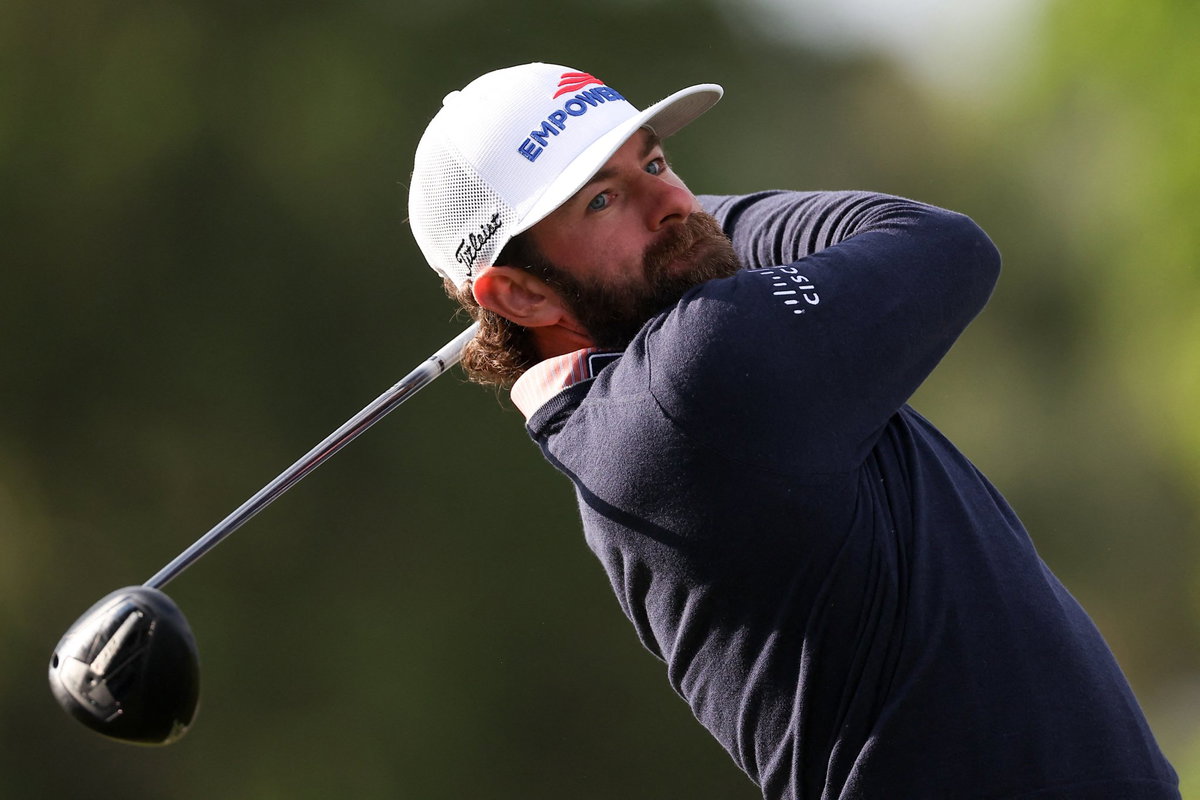


In a bold statement during a recent interview, LIV Golf CEO Scott O'Neil expressed a conviction that if he were a PGA Tour player, he would want LIV Golf to survive. This sentiment encapsulates the growing tension between traditional golf institutions and the insurgent LIV Golf league, which has rapidly shaped the golfing landscape since its inception. O'Neil’s remarks underline both the disruptive potential of LIV Golf and the evolving dynamics of professional golf.
Key takeaways
- Scott O'Neil believes PGA Tour players should support LIV Golf's continued existence.
- O'Neil criticized unnamed figures within the established golfing hierarchy.
- The rise of LIV Golf has prompted a reevaluation of player compensation and opportunities.
- Competition from LIV Golf is forcing traditional tours to adapt and innovate.
- LIV Golf has attracted top players with lucrative contracts, challenging the status quo.
Context and background
The formation of LIV Golf in 2021 was a watershed moment for professional golf. Backed by significant funding, this league aimed to reshape the competitive landscape by enticing top players away from the PGA Tour with eye-popping contract offers and a non-traditional event format. Its emergence drew immediate scrutiny and rebuke from PGA Tour officials, who viewed LIV Golf primarily as a threat. As of October 2023, the conflict between both tours remains a focal point in discussions regarding the future of professional golf.
Statistics reveal the scale of LIV’s impact: in its brief span, the league has attracted over a dozen players who have previously occupied top ranks, including former majors winners. Financially, LIV Golf aims to provide a higher earning potential through reduced event schedules and generous prize pools—an appealing proposition for players seeking more lucrative opportunities.
Shifting tides in professional golf
O'Neil's assertion that PGA Tour players should want LIV Golf to survive speaks volumes about the current state of competition in the sport. He has emphasized that a vibrant competitive landscape ultimately benefits players by fostering innovation and pushing leagues to refine their offerings. It's a sentiment that resonates particularly well given the resilience of the PGA Tour—one of the most robust sporting organizations in the world—but one that must adapt rapidly to stay relevant.
Comparatively, LIV Golf events showcase a format that breaks from tradition: shorter tournaments, shotgun starts, less time spent on the course—all elements designed to appeal to a younger demographic and redefine the viewing experience. As O'Neil notes, the emergence of new paradigms within the sport offers players choice and leverage in negotiations, ultimately empowering them in ways unthinkable just a few years ago.
In their own words
"If I were a PGA Tour player, I would want LIV Golf to survive. Competition fosters innovation, and it gives players more choices in their careers and earnings. There's no question about that."
— Scott O'Neil
While speaking candidly, O'Neil also took aim at unnamed critics from the traditional golf hierarchy who have used media platforms to undermine LIV Golf’s legitimacy. His contention is that rather than encouraging a monolithic structure, the golfing world needs competition to thrive.
What this means for golfers
For recreational golfers and aspiring professionals, the rise of LIV Golf heralds a new era of opportunities. With more competition, players can negotiate better sponsorship deals and explore multiple avenues for their careers. The presence of an alternative league means that golfers can now deliberate their future pathways with an array of options that were previously off the table.
Recreational golfers can also realize that the ongoing changes in professional circuits will affect how the sport is perceived at grassroots levels. As the sport continues to modernize, local clubs and golfing communities may adopt some innovative practices, aiming to attract and retain younger golfers.
What's next
Looking ahead, the future of professional golf is pulsating with uncertainties and opportunities. Events such as the 2023 LIV Golf tournaments and the PGA Tour's adaptations will be critical in determining how this rivalry unfolds. The PGA Tour's response to these challenges, including any potential policy changes geared toward player benefits or alterations in event formats, will likely shape the next chapter in football.
Moreover, with the continued influx of star talent into LIV Golf, the PGA Tour must reevaluate its place in the professional hierarchy, focusing on innovation and player engagement to retain top-tier talent. It will be interesting to track how both sides navigate their strategies and how they ensure that the game of golf not only survives but flourishes amid rising competition.