Intro paragraph
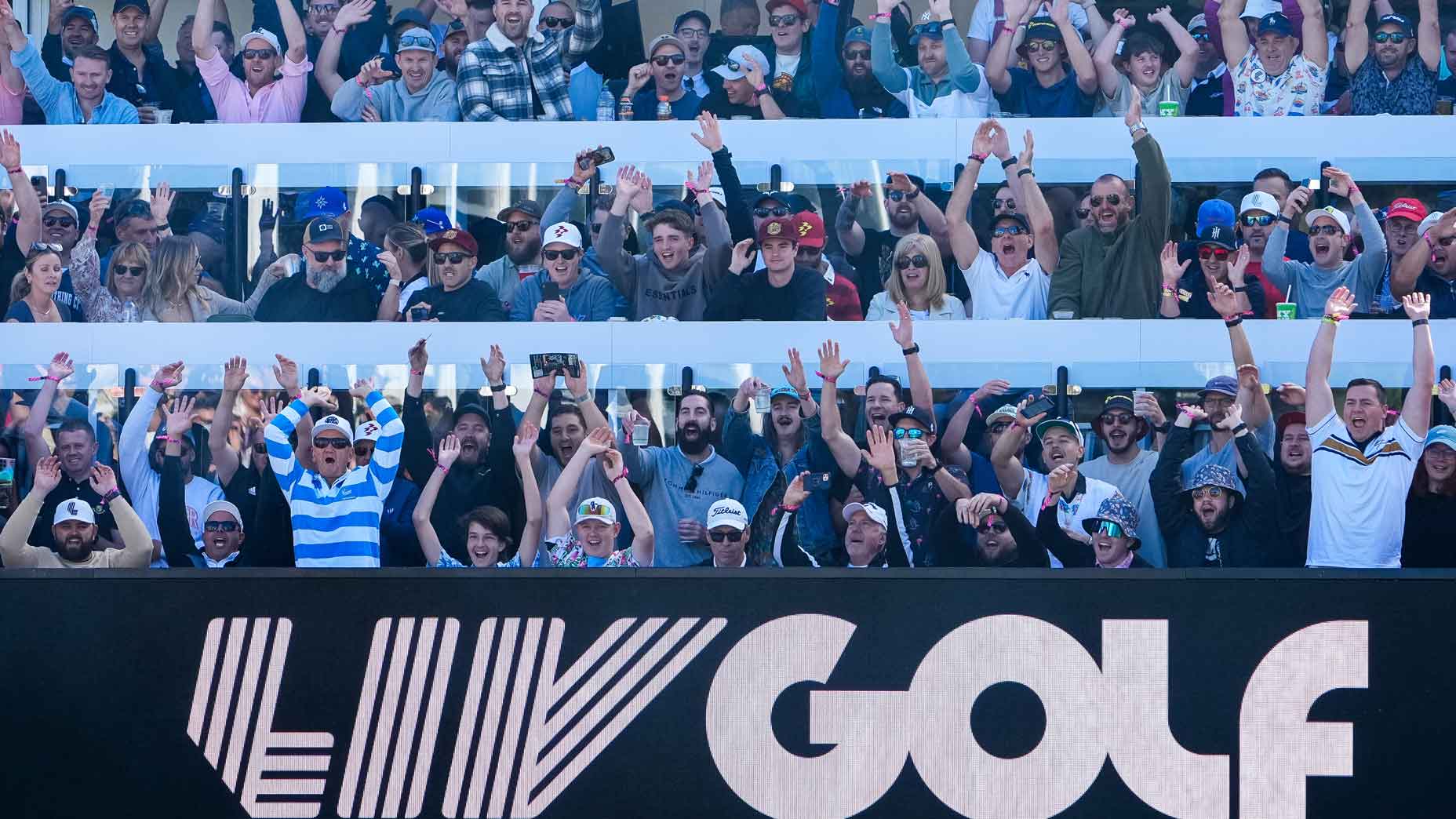
LIV Golf has announced a delay for its highly anticipated inaugural event in Louisiana, citing concerns over peak summer heat and a congested sports calendar. The decision reflects the breakaway tour's commitment to player comfort and strategic planning as it navigates the ever-evolving competitive landscape in professional golf.
Key takeaways
- LIV Golf postpones its debut event in Louisiana to avoid extreme summer temperatures.
- The decision is influenced by a crowded sports calendar that would conflict with the event.
- The postponement raises questions regarding the future stability and scheduling strategies of LIV Golf.
- LIV Golf aims to enhance player safety and comfort, aligning with broader industry trends in professional sports.
- Ongoing speculation surrounds the long-term viability and acceptance of LIV Golf within the professional golf ecosystem.
Context and background
Since its inception, LIV Golf has sparked both excitement and controversy within the world of professional golf. Launched with the promise of significant financial rewards for players and a fresh take on the sport's structure, LIV Golf has quickly positioned itself as a player in the upper echelons of golfing tournaments. However, its journey has not been without obstacles. In 2022, LIV Golf introduced its first events amid considerable skepticism regarding sustainability and acceptance, particularly from traditional tours like the PGA.
The decision to delay the Louisiana event is particularly important for several reasons. Firstly, it underscores the challenges associated with summer events in southern states, where heat can pose significant risks to both players and spectators. Secondly, the move to postpone also reflects a broader trend seen across professional sports where organizations are increasingly mindful of avoiding scheduling conflicts, particularly with other significant events that could dilute audience engagement.
LIV Golf's strategy unfolds
The decision to delay the Louisiana event is a strategic choice by LIV Golf aimed at aligning with broader trends in the sports industry. By postponing, LIV Golf demonstrates a commitment to athlete well-being, which is becoming increasingly vital as health and safety become topics of major concern in all sports. This decision reflects the same attention to players that has led other sports organizations to adjust their schedules to avoid extreme conditions, ensuring that athletes can perform at their best.
Moreover, the timing of the announcement raises eyebrows about the broader implications for LIV Golf’s calendar management. The organization has already faced challenges scheduling conflicts against major golf events and sports in general, an issue compounded by established tournaments like the Masters and the PGA Championships. Without careful planning and execution, LIV Golf risks not only its Louisiana debut but its broader visibility on the sports calendar.
To put things in perspective, the summer heat in Louisiana can reach staggering levels, with average July temperatures hovering around 90°F (32°C) and humidity often exceeding 70%. These conditions can lead to heat-related illnesses, making it prudent for LIV Golf to reconsider event scheduling in favor of more temperate months.
In their own words
"We want to ensure the best experience for our players and fans, and the summer heat in Louisiana can be quite severe. By postponing this event, we believe we can provide a more enjoyable atmosphere for everyone involved."
— LIV Golf spokesperson
What this means for golfers
The impact of LIV Golf's decision resonates beyond just the players and the event itself. Recreational golfers and golf enthusiasts can glean valuable lessons regarding scheduling and health considerations. As the trend for professional organizations to ensure player welfare gains momentum, amateur golfers should also prioritize conditions that allow for safe and enjoyable experiences on the course.
If anything, the conversation around LIV Golf’s event postponements opens up dialogue about best practices in event scheduling. Golfers at all levels should consider avoiding peak summer hours and instead, play in the cooler parts of the day to enhance their performance and enjoyment on the course.
In terms of equipment, golfers should also consider investing in lightweight, breathable clothing to help mitigate the impact of summer heat, as seen with professional aspirants. Leveraging technology designed to regulate body temperature can provide both comfort and performance benefits.
What's next
Looking ahead, LIV Golf's strategy continues to unfold as they recalibrate their schedules. Key decisions will clarify the organization's trajectory within the golfing community as they look to solidify their place in a competitive sports landscape. Upcoming events and potential new markets will be closely watched by both fans and analysts alike, especially regarding how they will implement best practices for player safety moving forward.
Moreover, as LIV Golf navigates its future, understanding how they engage with established tours and traditional fan bases will be crucial. Maintaining high standards for competition while addressing logistical and environmental challenges will define what the next chapter looks like for LIV Golf.