
Intro paragraph
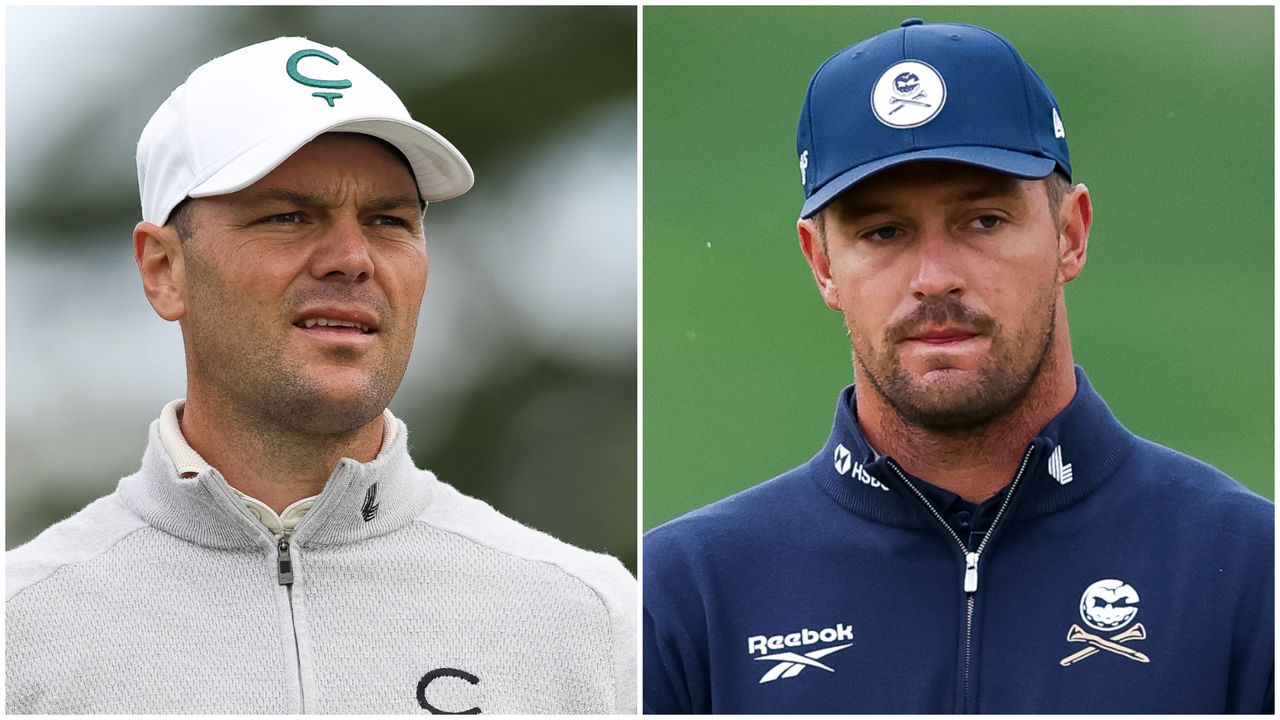
The first round of the PGA Championship has set the stage for an intriguing showdown, particularly for players affiliated with LIV Golf. With Martin Kaymer taking the early lead, contrasting fortunes unfolded on the course, notably for fellow LIV star Bryson DeChambeau, who faced a challenging day.
Key takeaways
- Martin Kaymer leads the LIV Golf contingent after the first round of the PGA Championship.
- Bryson DeChambeau struggled significantly, failing to make an impact on the leaderboard.
- This tournament continues to spotlight the evolving dynamics between LIV Golf and traditional PGA events.
- Kaymer's performance emphasizes the potential for LIV golfers to shine in major championships.
- DeChambeau's difficulties raise questions about his form and adaptability in high-stakes situations.
Context and background
The PGA Championship is one of the four major championships in professional golf, prestigious events that have historically attracted the best players from around the world. LIV Golf, a new competitor in the professional golfing landscape, has sparked debate and scrutiny since its inception. Many commentators have focused on how these players will perform in traditional events, especially given the format and structure differences. Martin Kaymer, a two-time major champion, and Bryson DeChambeau, known for his unique approach to the game, are prime examples of this contrast. Both players have had their share of successes on the PGA Tour, but the ongoing rivalry between LIV and the PGA adds layers to every event.
Contrasting performances on day one
As the first round unfolded at the PGA Championship, Kaymer showcased composure and skill, finishing the day atop the LIV leaderboard. He executed a series of strategic plays, including remarkable approaches and solid putting that kept him in contention. Kaymer finished the round under par, reinforcing his capability to compete at the highest level. His round featured crucial moments, including birdies on several key holes, which exhibited his readiness and confidence.
On the other hand, Bryson DeChambeau faced a series of frustrations throughout the day. His characteristic aggressive style of play did not pay off, leading to an unusually high number of mistakes. DeChambeau’s difficulties were evident, from wayward drives to inconsistencies around the greens. His overall score placed him far from making an impact, raising concerns not only about this specific tournament but about his recent form in general. DeChambeau’s struggles have drawn considerable attention, especially given his past reputation as a major winner and formidable competitor.
To add further intrigue, the ongoing dialogue about the future of professional golf includes a closer examination of how players from LIV will fare in traditional formats. Kaymer's success exemplifies the potential for LIV players to contend effectively, while DeChambeau's round serves as a cautionary tale of the challenges that can arise. This dynamic fuels the competitive spirit surrounding both organizations, drawing in audiences eager to see how this rivalry will unfold.
In their own words
"I felt good out there. My game plan worked well for me, and I was able to execute when it mattered."
— Martin Kaymer
"It just wasn’t my day. I need to figure out what's going wrong and adjust before tomorrow."
— Bryson DeChambeau
What this means for golfers
The contrasting outcomes for Kaymer and DeChambeau highlight the importance of adaptability and mental resilience in golf, especially in high-pressure situations like major championships. Recreational golfers can learn about the significance of course management and strategic play, which Kaymer executed effectively. On the contrary, DeChambeau’s performance illustrates how even the most skilled players can struggle and reinforces that golf is not just about raw talent; it's about consistency and mindset.
For equipment, this week's performances shed light on how gear can influence play at the highest levels. Golfers should take note of how specific adjustments to equipment can aid in performance under pressure. For instance, focusing on driver settings and tailoring putter options can make a significant difference on the course.
What's next
Looking ahead, the remaining rounds of the PGA Championship will provide ample opportunity for players like Kaymer to build on their success, while DeChambeau will aim for a strong comeback. The tournament's progression will be closely monitored, not only for the outcome but also for what it signifies regarding LIV Golf's role in the competitive landscape of professional golf. Fans and players alike will be keen to see if Kaymer can maintain his momentum and whether DeChambeau can recalibrate his approach in the upcoming rounds.

/https%3A%2F%2Fcdn.pijper.io%2F2026%2F06%2FRkUgIHk3UBT3tw1781080975.jpg)