Introduction
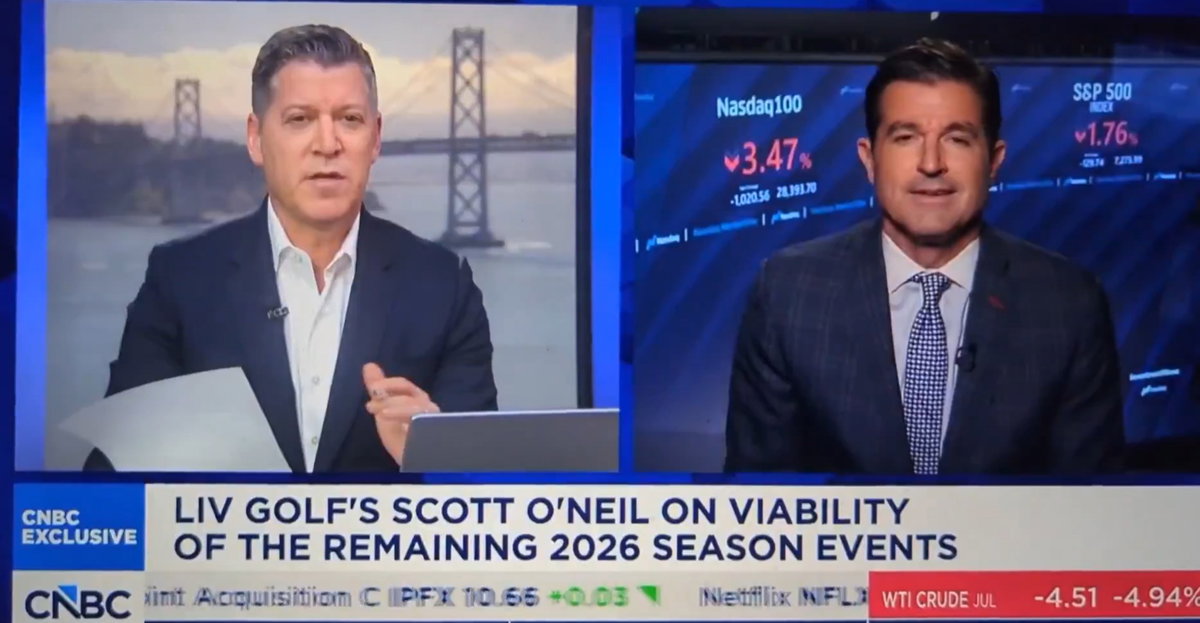
The future of LIV Golf, the controversial league that has shaken the foundations of professional golf, hangs in the balance as its chief executive, Scott O'Neil, left fans and analysts perplexed by refusing to answer whether the league will complete its planned 2026 season. This uncertainty draws attention not only to LIV's operational strategy but also to the broader implications for professional golf globally.
Key takeaways
- Scott O'Neil evades questions about LIV Golf's future beyond 2026.
- The league's viability remains a subject of speculation amidst operational challenges.
- Supporters and critics alike await clear communication regarding LIV's long-term strategy.
- Uncertain prospects could affect participation from top players and sponsors.
- The situation highlights a transformative period in golf, with varying stakeholdership and competition dynamics.
Context and background
LIV Golf burst onto the scene in 2021, touting its ability to provide players with lucrative contracts and a different competitive structure than traditional tours. Financially backed by Saudi Arabia's Public Investment Fund, LIV aimed to attract top talent away from established tours like the PGA. However, the league's approach has not been without controversy, with critics citing ethical concerns regarding its funding sources and the future of competitive integrity in the sport.
As of 2023, LIV Golf has secured notable players with substantial guarantees and has attempted to establish its footing in the professional golf landscape. However, despite its ambitious beginnings, challenges persist. The league's continued operation beyond 2026 is now a focal point of discourse, with O'Neil's recent comments suggesting possible doubts about the future stability and direction of the league.
The uncertainties surrounding LIV Golf
O'Neil’s hesitancy to affirm whether LIV Golf will see its 2026 campaign through reveals significant uncertainty regarding the league's sustainability. The league initially planned a robust schedule and made substantial commitments to its players, but the economic realities of operating an independent tour amid a backdrop of adverse public relations challenges have raised questions about its future.
While LIV Golf has attracted attention and players due to its alternative format and financial promises, reports indicate ongoing struggles to solidify long-term partnerships, audience engagement, and media rights, all of which are critical for a sport's growth and presence. Comparisons between LIV Golf and longstanding entities like the PGA Tour reveal a disparity not just in economics but also in organizational cohesion and vision.
Statistical insight into LIV's venture highlights its split from traditional formats. LIV has implemented shorter tournaments with a team-based element aimed at broadening its appeal. However, this deviates from many golf purists' expectations, which raises the question: how far can LIV stray from tradition before losing its audience? The tension between profitability and competitive integrity could define LIV’s trajectory moving forward.
In their own words
"We're committed to making LIV Golf a force, but the pathway forward is complex. The conversation about our future requires openness and understanding, and not just simple answers to complex questions."
— Scott O'Neil
What this means for golfers
For recreational and competitive golfers, the uncertainties of LIV Golf's future offer lessons on adaptability and the evolving nature of the sport. With the potential for significant shifts in player participation, it’s essential for both amateur and professional players to stay informed about the landscape of competitive golf. Players considering signing with non-traditional leagues must weigh the pros and cons, particularly if they plan on establishing long-term careers.
Furthermore, golfers keen on utilizing the latest technology and entertainment styles can look to LIV Golf for inspiration on how competition can evolve. While the league faces challenges, its approach to engaging fans through innovative formats and concepts serves as a blueprint for future golf endeavors.
What's next
As golf enthusiasts look forward, pivotal events loom on the horizon that could shape LIV Golf's direction. Discussions regarding player contracts, partnerships, and potential tour schedules will be scrutinized by media and fans alike. The 2024 season will serve as a crucial testing ground, providing insights into whether the league can stabilize its efforts or if doubts will deepen as the 2026 deadline approaches. The upcoming tournaments may also stimulate renewed conversations about the overarching frameworks of professional golf, including governing bodies' responses and potential regulatory changes within the sport.
Ultimately, the viability of LIV Golf encompasses more than just financial health; it poses essential questions about the future of competition in a sport that thrives on tradition amid evolving demands from players and audiences alike.