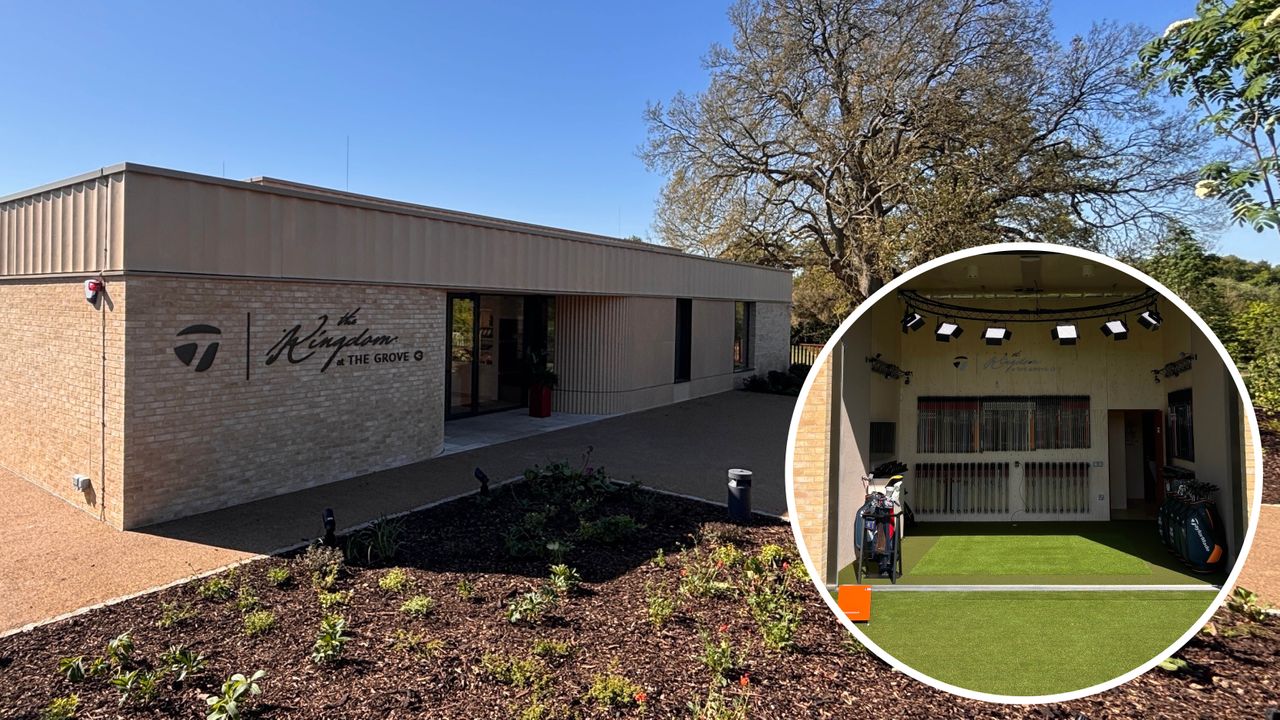


Local golf clubs face financial challenges despite announcements
As golf enthusiasts everywhere celebrate fresh announcements and initiatives aimed at elevating the sport, a more sobering reality emerges: local golf clubs are teetering on the brink of financial instability. The very organizations that nurture the game at grassroots levels are often overlooked, their struggles sidelined by a chorus of optimistic news. However, underneath this facade of positivity lies a pressing issue that requires immediate attention from industry leaders.
Key takeaways
- Local golf clubs are integral to the growth and sustainability of the sport.
- Many clubs are facing financial difficulties, exacerbated by rising operational costs.
- Efforts to boost golf's popularity often neglect the foundational aspects of club support.
- Stronger financial backing and innovative solutions are required to stabilize local clubs.
- The health of grassroots golf is crucial for the sport's future success.
Context and background
Local golf clubs have long been the cornerstone of the sport, providing a platform for amateur players and cultivating a new generation of talent. With more than 24 million golfers in the United States alone, according to the National Golf Foundation, these clubs play a crucial role in developing interest and participation in golf. However, over recent years, many clubs have found themselves grappling with increasing expenses, dwindling memberships, and stiff competition from alternative recreational activities.
Statistics reveal that almost 30% of golf courses have closed in the last decade, a trend illustrating the challenges at hand. As operational costs soar—driven by everything from property maintenance to food and beverage supplies—local clubs are finding it increasingly difficult to keep their doors open without substantial support. Unfortunately, while national organizations espouse initiatives aimed at growing the game, the plight of local clubs often remains an afterthought.
The precarious balance: The plight of local golf clubs
Local golf clubs not only serve as venues for play but are also community hubs that attract players of all ages and backgrounds. They provide essential services such as training and coaching, competitive events, and social activities. Yet, despite their importance, many clubs are walking a financial tightrope. According to industry reports, operational costs have increased by over 20% in the past few years, largely due to inflation and regulatory fees.
This untenable situation has forced administrators to make difficult decisions. Some clubs have had to increase membership dues significantly, a move that risks alienating existing members while deterring potential newcomers. Adding further strain, competition from private courses and alternative leisure activities has siphoned off members who might otherwise support local clubs.
Furthermore, the COVID-19 pandemic acted as a catalyst for these existing issues, facilitating an unprecedented shift in player demographics and habits. While increased demand for outdoor activities initially buoyed golf participation, the long-term implications of these changes remain unclear. The risk of retaining new golfers who joined during this period is also in question, posing a serious concern for many grassroots clubs.
In their own words
"It’s tough out here. We love the game and want to foster a love for golf in our community, but the financial strain is becoming too much to manage. We need visibility and support from those who can help make a change."
— Club Manager, Local Golf Club
"I’m passionate about bringing new players into the sport, but without local clubs being healthy, it’s a losing game. We need action, not just announcements."
— Golf Coach, Junior Program Director
What this means for golfers
The implications of the challenges facing local golf clubs extend beyond financial statements; they shape the very foundation of the golfing community. Recreational golfers can play a vital role in alleviating this crisis by supporting their local clubs through memberships, participation in events, and advocacy for sustainable practices that promote growth. Those considering new gear purchases should recognize the importance of supporting pro shops within clubs, as these revenues often help maintain facilities and provide resources for players.
Furthermore, golfers should stay informed about community initiatives aimed at revitalizing local courses. Engaging with clubs through volunteer opportunities can foster a deeper sense of connection to the sport, demonstrating that every player can contribute to a healthier golfing ecosystem.
What's next
As we look to the future, it is imperative that local golf clubs receive the attention and support they need to thrive. Upcoming golf initiatives, both local and national, will play a critical role in addressing these concerns, but industry leaders must prioritize funding and resources directed toward clubs that form the backbone of the sport.
Moving forward, stakeholders must acknowledge the dual narrative within the golfing community: while celebrating progress, we must also ensure that the clubs fostering the game are not left behind. Upcoming events and programs designed to rally support for local clubs could turn the tide, but they require commitment from all involved parties to create impactful and lasting change in the golf landscape.


/https%3A%2F%2Fcdn.pijper.io%2F2026%2F06%2FRkUgIHk3UBT3tw1781080975.jpg)