Intro paragraph
In a surprising turn of events during the third round of the U.S. Women’s Open, golfer Lottie Woad found herself embroiled in controversy when she was assessed a two-shot penalty for improving her stance in a sand trap. This incident not only casts a shadow over her promising performance but also highlights the ongoing challenges golfers face regarding strict rule enforcement.
Key takeaways
- Lottie Woad received a two-shot penalty during the third round of the U.S. Women’s Open.
- The penalty was for improving her stance while in a sand bunker.
- This decision has sparked debate around the strict nature of golf's rules in competitive play.
- Woad's situation underscores the importance of understanding the rules of the game thoroughly.
Context and background
The U.S. Women's Open is one of golf's most prestigious tournaments, attracting the top talent from around the world. This year, the event is taking place at the iconic Riviera Country Club, a course known for its challenging layout and historical significance. Woad, a rising star on the women's circuit, represents a new wave of talent keen to make their mark on the sport.
Rules in golf can often skew perceptions of fairness, particularly when penalties arise from seemingly minor infractions. Improving one's stance in a sand trap can easily happen in the heat of competition. According to the 2023 edition of the Rules of Golf, players are prohibited from improving their conditions of play, which includes making adjustments to their stance. Such rules are in place to maintain a level playing field, yet they also demand high levels of discipline from players under pressure.
A moment of controversy
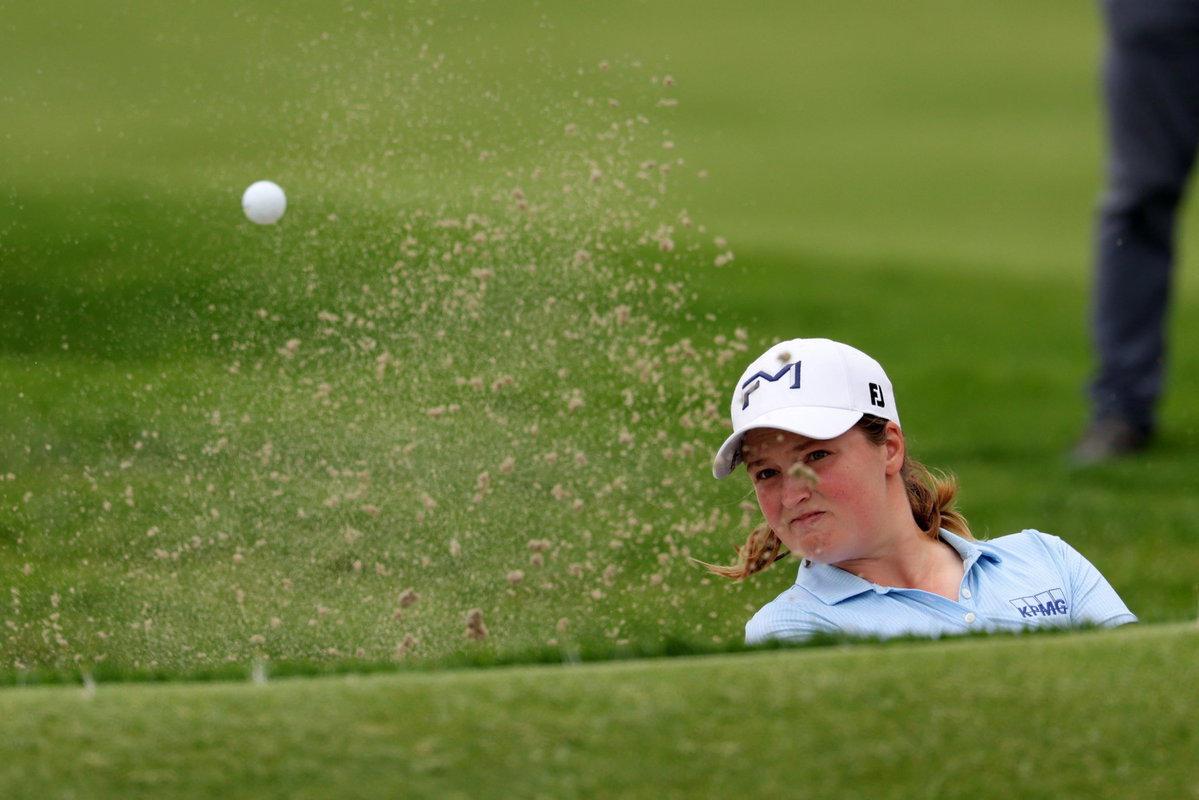
During the third round, Lottie Woad was attempting to hit her shot from a bunker when she adjusted her stance after striking the ball. This seemingly innocent act caught the attention of officials, leading to a two-shot penalty that drastically affected her score. The penalty was harsh and sudden, catching not just Woad off guard but also fans and pundits following the tournament closely.
This penalty came at a critical moment in the tournament, as players vie for their chance to claim the coveted title. The stakes are high during any major championship, but circumstances like these illustrate the razor-thin margins that often characterize competitive golf.
While Woad possesses the talent needed to thrive on the professional circuit—having a promising amateur career and a growing reputation—this incident has raised questions about the enforcement of rules and their clarity for players at all levels. Many golfers and viewers alike are left pondering whether the penalty was justified or overly stringent given the context.
In their own words
“It's frustrating to have a moment like that overshadow my performance. Rules are rules, but sometimes the interpretation can seem unjust.”
— Lottie Woad
What this means for golfers
Woad's controversy serves as a teachable moment for recreational players and aspiring professionals alike. It emphasizes the necessity of having a comprehensive understanding of golf's rules, particularly when it comes to specific situations such as dealing with hazards like bunkers. Golfers should familiarize themselves with not just the letter of the rules but also their spirit; maintaining integrity in the game is crucial.
For amateur golfers, this incident is a reminder to remain vigilant during play and avoid making assumptions about minor adjustments on the course. Additionally, it underscores the importance of having a knowledgeable caddy or companion to help navigate decisions when facing potentially rule-bound situations.
What's next
Looking ahead, Woad will undoubtedly face a wave of support from fans and fellow competitors as she moves past this hurdle. The U.S. Women’s Open continues to unfold, with many players enjoying excellent form amid the challenges that come with this high-stakes competition. It will be crucial for Woad to maintain her focus and balance the emotional weight of the penalty with her commitment to success.
As the tournament progresses, attention will likely turn to how other players respond to similar situations, prompting discussions among officials and players about potential rule clarifications or adjustments. This incident may encourage the USGA to evaluate its rules and the situations that lead to contentious penalties, possibly leading to changes that could reshape the future of the game.

/https%3A%2F%2Fcdn.pijper.io%2F2026%2F06%2FRkUgIHk3UBT3tw1781080975.jpg)