Intro paragraph
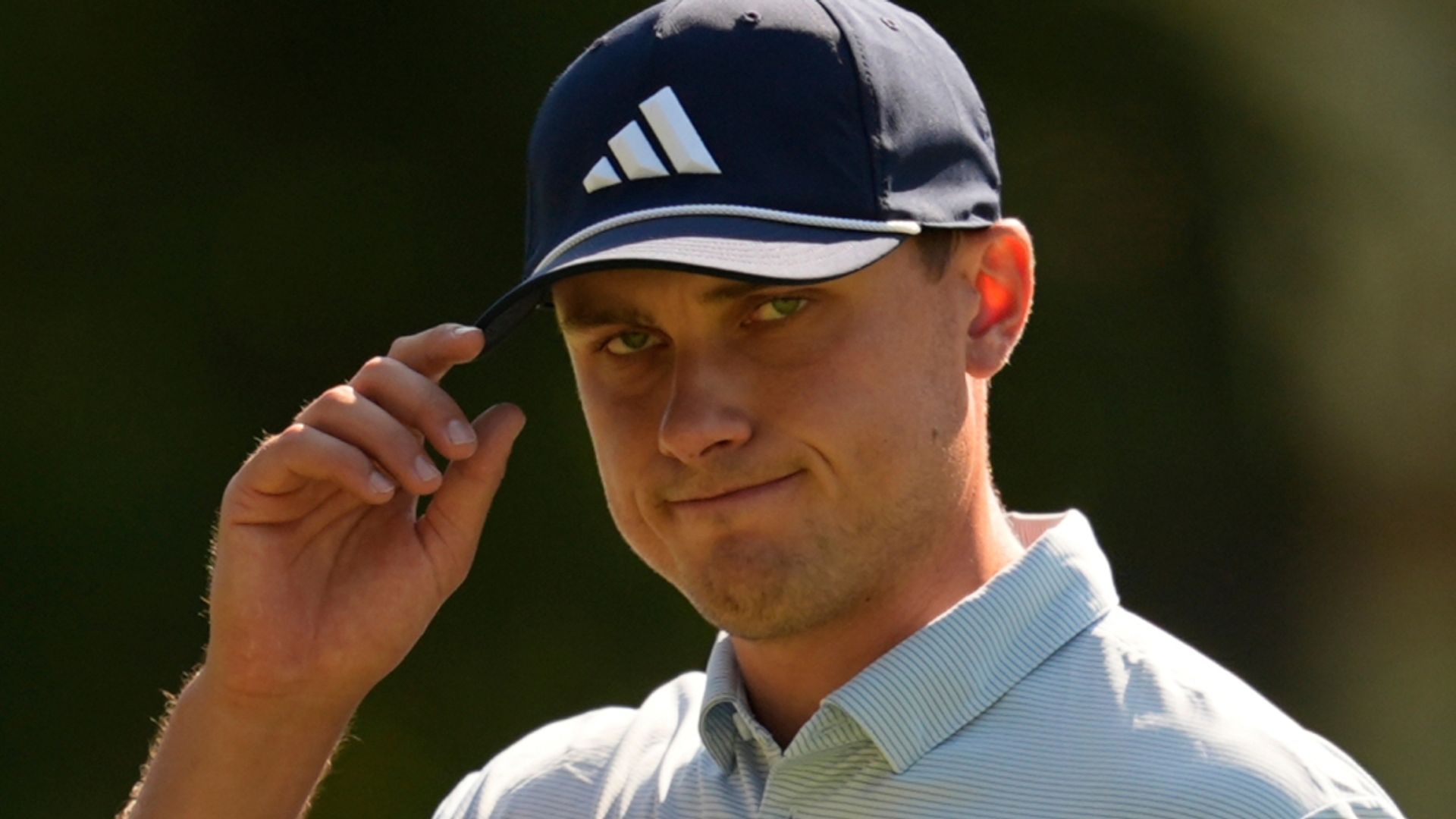
At just 24 years old, Ludvig Åberg has quickly carved a niche for himself in the competitive world of professional golf. Known for his incredible talent and impressive pace of play, the Ryder Cup star has recently recognized the necessity of slowing down his game. Facing criticism and challenges due to his swift playing style, Åberg's determination to evolve his approach marks an important moment in his burgeoning career.
Key takeaways
- Ludvig Åberg is aware of his fast pace of play, which has drawn criticism.
- The Ryder Cup competitor aims to adjust his strategy for better performance.
- Slowing down could impact his game positively, enhancing focus and decision-making.
- Åberg's candid acknowledgment of this issue reflects maturity and self-awareness.
- This evolution in his playing style may resonate with golfers at all levels, emphasizing the importance of rhythm and composure.
Context and background
Since turning professional, Åberg has gained a reputation not only as a talented player but also as one who plays at an electrifying pace. This rapid play has often provoked mixed reactions from fans and fellow competitors alike. On one hand, his speed can be mesmerizing; however, it can sometimes lead to rushed decisions that might affect his overall performance. Historical statistics show that while faster players may complete a round more quickly, they can also fall prey to mistakes due to insufficient deliberation.
In professional golf, maintaining a consistent pace is crucial. The PGA Tour operates under strict pace-of-play guidelines, with violations leading to penalties. Åberg's comments highlight a growing trend where players, especially younger professionals, must balance speed with strategy—a lesson worth noting for amateur golfers trying to emulate their idols.
Adjusting his game: Åberg’s plan for improvement
The notion of slowing down is not merely about taking more time; it involves a conscious change in approach. Åberg understands that every shot matters, and rushing through his routine may lead to oversights. “I want to be more methodical with my decisions and focus on the task at hand,” he remarks.
His experiences at high-stakes tournaments, especially during the Ryder Cup, have undoubtedly taught him the importance of composure and reflection. For instance, studies show that golfers who take a moment to assess their shot before committing often achieve better results compared to those who act impulsively.
In recent tournaments, Åberg's scoring has remained solid, despite the pressure around him. However, he recognizes that the best golfers in the world, such as Rory McIlroy and Scottie Scheffler, have mastered the art of balancing pace with precision, taking their time when necessary. Their ability to slow down during critical moments can serve as a model for Åberg’s adjustment strategies.
In their own words
“I have dealt with pace issues, and I see the need to adapt my game. The quicker rounds can sometimes compromise my focus, and I want to be meticulous and deliberate.”
— Ludvig Åberg
What this means for golfers
As Åberg strives to slow down, there are valuable takeaways for recreational golfers who might be caught in the rush of their game. Maintaining composure and rhythm is essential for effective performance, regardless of skill level. Here are a few insights:
- **Prioritize your routine**: Establishing a consistent pre-shot routine helps in resetting focus and taking the necessary time to assess each shot.
- **Mind the pressure**: Like Åberg, golfers should recognize situational pressures on the course and be willing to adapt their pace accordingly.
- **Learn from the pros**: Observing how successful players handle their pace can provide valuable lessons. Taking the time to learn from their techniques can lead to improvement in one’s own game.
What's next?
Ludvig Åberg’s journey will undoubtedly see him tackle various challenges as he refines his game. Upcoming tournaments will serve as testing grounds for this newfound approach, allowing him to gauge how slowing down can influence his performance going forward. As fans and fellow golfers follow his progress, it will be interesting to see if this deliberate change enhances his game, potentially setting the stage for a bright future in professional golf. Alongside other tour stops, Åberg will undoubtedly become an intriguing player to watch as his career continues to unfold.

/https%3A%2F%2Fcdn.pijper.io%2F2026%2F06%2FRkUgIHk3UBT3tw1781080975.jpg)