

Introduction
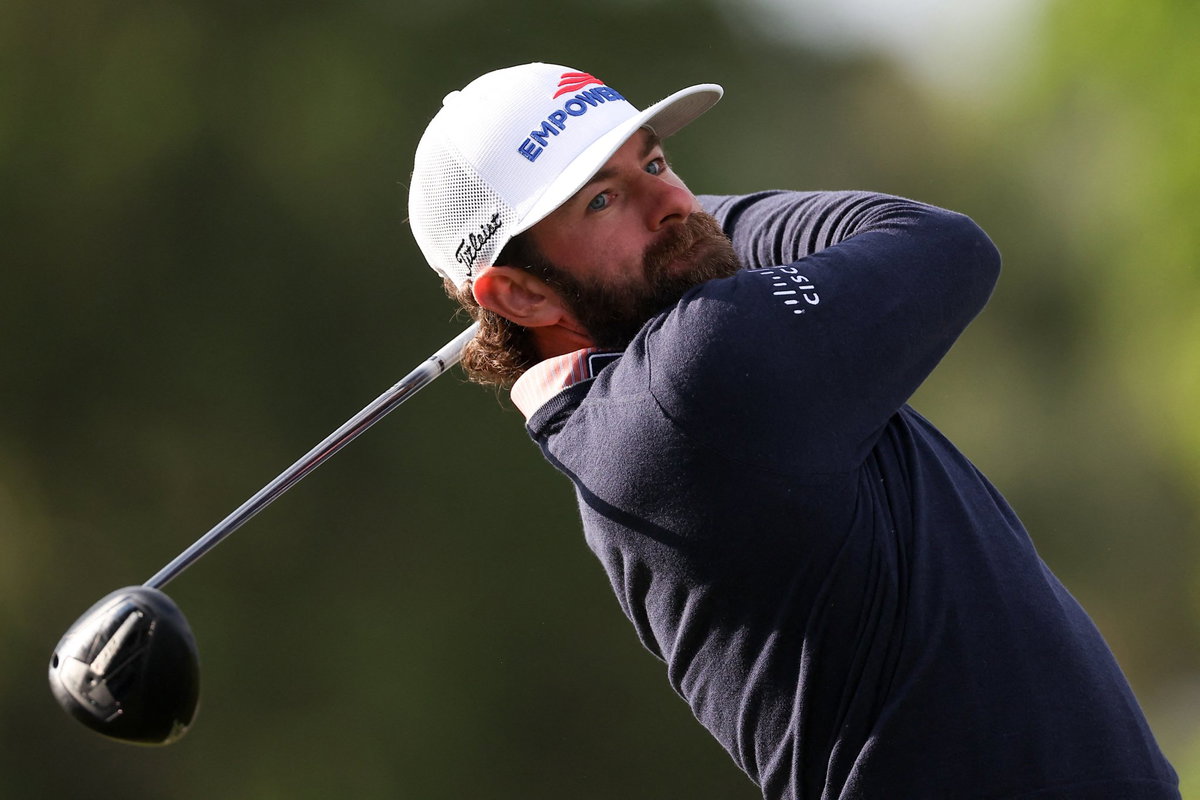
In a surprising turn of events at the prestigious TPC Sawgrass, rookie golfer Ludvig Aberg faced a daunting challenge that raised eyebrows among spectators and analysts alike. The young talent's performance reaffirmed the unpredictable nature of golf, but it was the fallout that prompted former Ryder Cup player Andrew Coltart to question the experience of Aberg's caddie.
Key takeaways
- Rookie golfer Ludvig Aberg showed promise but struggled at Sawgrass.
- Ex-Ryder Cup player Andrew Coltart critiqued Aberg's caddie during the tournament.
- Coltart expressed surprise at the caddie's decisions during high-stakes moments.
- Aberg remains a rising star in golf despite recent setbacks.
- Experience and strategy in caddying play a vital role in a golfer's success.
Context and background
Ludvig Aberg, a young Swedish golfer, burst onto the professional scene with impressive credentials, securing his place as a top contender in various tournaments. As a former standout amateur, he had quickly garnered the attention of fans and analysts alike. Since turning professional, Aberg has made significant strides in his career, competing against some of the best in the world.
However, his recent performance at Sawgrass proved to be a challenging experience. TPC Sawgrass is known for its iconic 17th hole, famously dubbed "Island Green"—a location that tests the nerves of even seasoned professionals. Unfortunately for Aberg, he struggled to navigate not only the course but also the pressures accompanying major tournaments.
As Aberg faced challenges with his short game, the spotlight shifted toward his support system. Caddies often play a pivotal role in guiding players through strategic decisions, and when things go awry, the accountability usually surfaces.
The caddie conundrum at Sawgrass
Amid the unfolding drama at Sawgrass, Andrew Coltart's comments regarding Aberg's caddie raised eyebrows across the golfing community. During the tournament, Coltart noted the pressures of high-stakes competition, and he expressed his disbelief by saying,
"I am just a little shocked by the decisions being made; it seems like there is a lack of experience in high-pressure situations."
— Andrew Coltart
Coltart's critique implies that every detail matters during crucial moments, underscoring the importance of strategic thinking from the caddie. He further elaborated on this by stating,
"Golf is as much a mental game as it is a physical one. The caddie needs to provide reassurance and sound judgment. In moments like these, experience is paramount."
— Andrew Coltart
This moment captures a larger issue within the sport: the interplay between a player’s talent and their support team’s expertise. A golfer can possess incredible skills, but without the right guidance, even the most proficient players can falter when the stakes are high. The lack of experience from Aberg's caddie may impact not only immediate outcomes but also the player's long-term growth and performance trajectory.
In their own words
As noted earlier, Coltart's thoughts carry weight in understanding the dynamics of tournament golf. He emphasizes the necessity for effective collaboration between player and caddie and points out that strategic decisions can be the difference between victory and defeat.
What this means for golfers
The situation surrounding Aberg and his caddie serves as a pertinent reminder of the vital relationship between a golfer and their support system. Recreational golfers, in particular, can glean valuable lessons from this scenario:
- Choice of caddie: Whether playing casually or competitively, having a knowledgeable caddie can make a world of difference. It is advisable to look for someone who understands your game style and offers strategic insights.
- Dealing with pressure: Golf is a mental game; learning how to manage stress and expectations can greatly influence performance. Simulating competitive environments can help build resilience.
- Value of communication: The relationship between golfer and caddie should be collaborative. Open communication can lead to better decision-making on the course.
What's next
As Aberg moves forward in his career, the insights drawn from his experiences at Sawgrass will undoubtedly contribute to his development as a professional golfer. Up next, he will participate in upcoming PGA Tour events, where he will have another opportunity to showcase his talents. Fans and analysts alike will be keenly watching whether he and his caddie can establish a stronger connection, enabling him to rise above the challenges faced previously. The lessons learned from this incident hold immense implications for Aberg's journey, influencing how he approaches future tournaments while navigating the complexities of competitive golf.

/https%3A%2F%2Fcdn.pijper.io%2F2026%2F06%2FRkUgIHk3UBT3tw1781080975.jpg)