Introduction
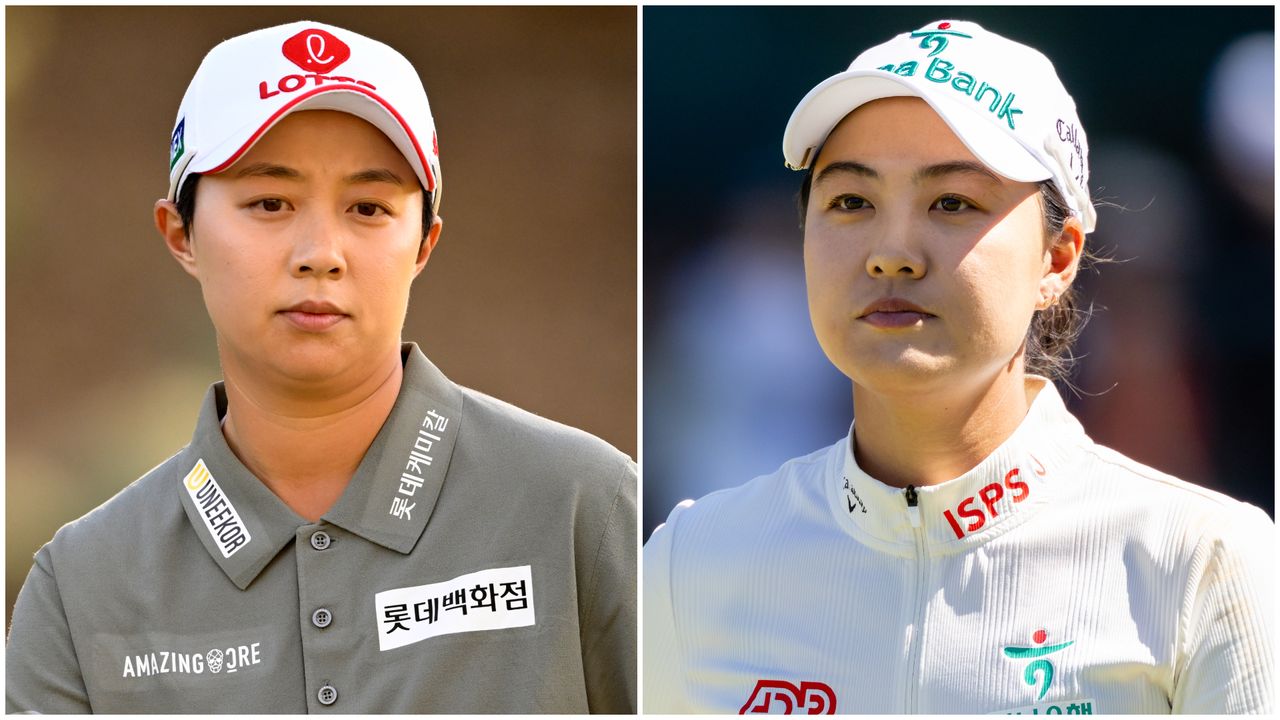
The world of golf was taken aback this week as major champions Minjee Lee and Hyo Joo Kim made the surprising decision to withdraw from the JM Eagle LA Championship after just one round. Notably, both players found themselves above the cut line when they exited, fueling speculation and concern among fans and fellow competitors alike. Their sudden departures from a key event underscore growing discussions surrounding player welfare and mental health in the competitive sports arena.
Key takeaways
- Minjee Lee and Hyo Joo Kim withdrew after the first round of the JM Eagle LA Championship.
- Both players were under the cut line at the time of their withdrawals.
- This marks a significant statement on player welfare and mental health within the sport.
- The withdrawals raise questions about player strategies in future tournaments.
- Fans are left speculating, as the absence of star players alters tournament dynamics.
Context and background
The JM Eagle LA Championship, a critical event on the LPGA Tour, regularly draws elite talent including major champions from around the globe. Minjee Lee, who clinched victory at the prestigious 2022 U.S. Women’s Open, and Hyo Joo Kim, known for her triumph at the 2014 Kraft Nabisco Championship (now known as the ANA Inspiration), exemplify the intense competitive spirit characteristic of this tour. The history of withdrawals among elite players can be traced back decades; athletes routinely grapple with pressures stemming from both physical demands and mental challenges.
Over the years, the sport has seen its share of early departures due to injuries and personal commitments, echoing the real struggles athletes face on the biggest stages. Lee and Kim entered the tournament exhibiting commendable form, which is why their withdrawals have prompted a reevaluation of expectations when it comes to player health and performance.
Unpacking the withdrawals
In their first round at the JM Eagle LA Championship, Minjee Lee finished with a score of 71, showcasing power and precision, while Hyo Joo Kim produced a similarly strong performance, positioning themselves well within the tournament. Nevertheless, their abrupt decision to step back raised vital discussions among fans and analysts regarding player endurance, mental health, and burnout in a demanding competitive landscape. Many professional golfers are scheduled in a relentless cycle of events, and the physical and psychological toll can be immense.
Lee and Kim's choice to withdraw emphasizes an increasing awareness of the necessity for mental well-being in professional sports. As the industry progresses, acknowledging this balance between mental health and performance optimization has become a priority. By stating,
, Lee exemplifies the importance of making well-rounded choices for overall health."Sometimes it’s not just about the game; it’s about listening to your body and mind. I have to make tough decisions, but I must respect my limits too.”
— Minjee Lee
The withdrawal of these two top-tier athletes significantly impacts the tournament landscape, disrupting anticipated showdowns while opening doors for other contenders eager to capitalize on this unexpected development.
In their own words
"I respect the system, but sometimes you just have to step back and make a decision that feels right for you. I’m sure the fans understand that.”
— Hyo Joo Kim
What this means for golfers
The decisions made by Lee and Kim resonate profoundly with both recreational and aspiring golfers, sending a vital message regarding the significance of mental and physical health within the competitive golf landscape. Withdrawals should not be misconstrued as signs of weakness; rather, they represent an athlete's awareness of their needs and a commitment to their overall well-being. This perspective challenges traditional notions associated with performance pressure, urging athletes to prioritize health over relentless pursuit of results.
For younger golfers and those starting their careers, understanding how to manage stress and exhaustion is essential. Additionally, attention to mental aspects of the game, coupled with tailored fitness regimes designed to minimize burnout, can enhance performance over time. These insights reflect a progressive understanding of professional sports that can benefit players at all levels.
What's next
As the LPGA Tour advances, all eyes will be on how the dynamics shift in upcoming events following the withdrawals of Lee and Kim. Their absence could lead to unexpected outcomes in tournament standings, as other players seize the opportunity to showcase their talents. The implications of these withdrawals will likely stimulate further conversations about athlete accessibility and well-being in high-stakes environments, potentially influencing how future tournaments are structured in terms of support systems for athletes. Golf fans and analysts will eagerly watch to see how this evolving narrative unfolds, with implications resonating far beyond this one event.