Intro
Golf enthusiasts and aspiring long hitters alike are constantly seeking ways to add distance to their drives. The secret? It may be simpler than you think. Dom DiJulia, a top 100 golf instructor, stresses that the key to hitting more powerful shots lies in becoming a 'pressure' player. Understanding how to apply pressure at the right moments during your swing can lead to remarkable increases in distance and accuracy.
Key takeaways
- Creating pressure at the right time in your swing contributes significantly to hitting longer drives.
- Dom DiJulia emphasizes strategic timing and body mechanics to leverage pressure effectively.
- A few simple adjustments can lead to measurable distance gains for golfers of all skill levels.
- Understanding your own swing dynamics is critical to mastering the pressure technique.
- Pressure not only influences distance but also can enhance overall shot accuracy.
Context and background
The concept of pressure in a golf swing isn’t new, but it has only gained traction in mainstream instruction in recent years. Traditionally, golfers were taught a myriad of techniques focused solely on swing mechanics. However, the integration of mental and physical pressure into the swing process can yield significant benefits. DiJulia's teachings have roots in both physical biomechanics and psychological strategies that allow players to optimize their performances on the course.
Statistics indicate that golfers who consistently apply pressure effectively can experience a distance gain of up to 10 yards per drive, depending on their baseline mechanics and swing speed. This is crucial as driving distance correlates positively with lower scores; after all, a longer tee shot often translates to shorter approach shots, leading to better scoring opportunities.
Harnessing pressure for explosive drives
One of DiJulia's essential lessons revolves around understanding when and how to create pressure during the swing. By applying pressure in phases, golfers can enhance the energy transfer through their body and into the golf club, ultimately translating to longer shots.
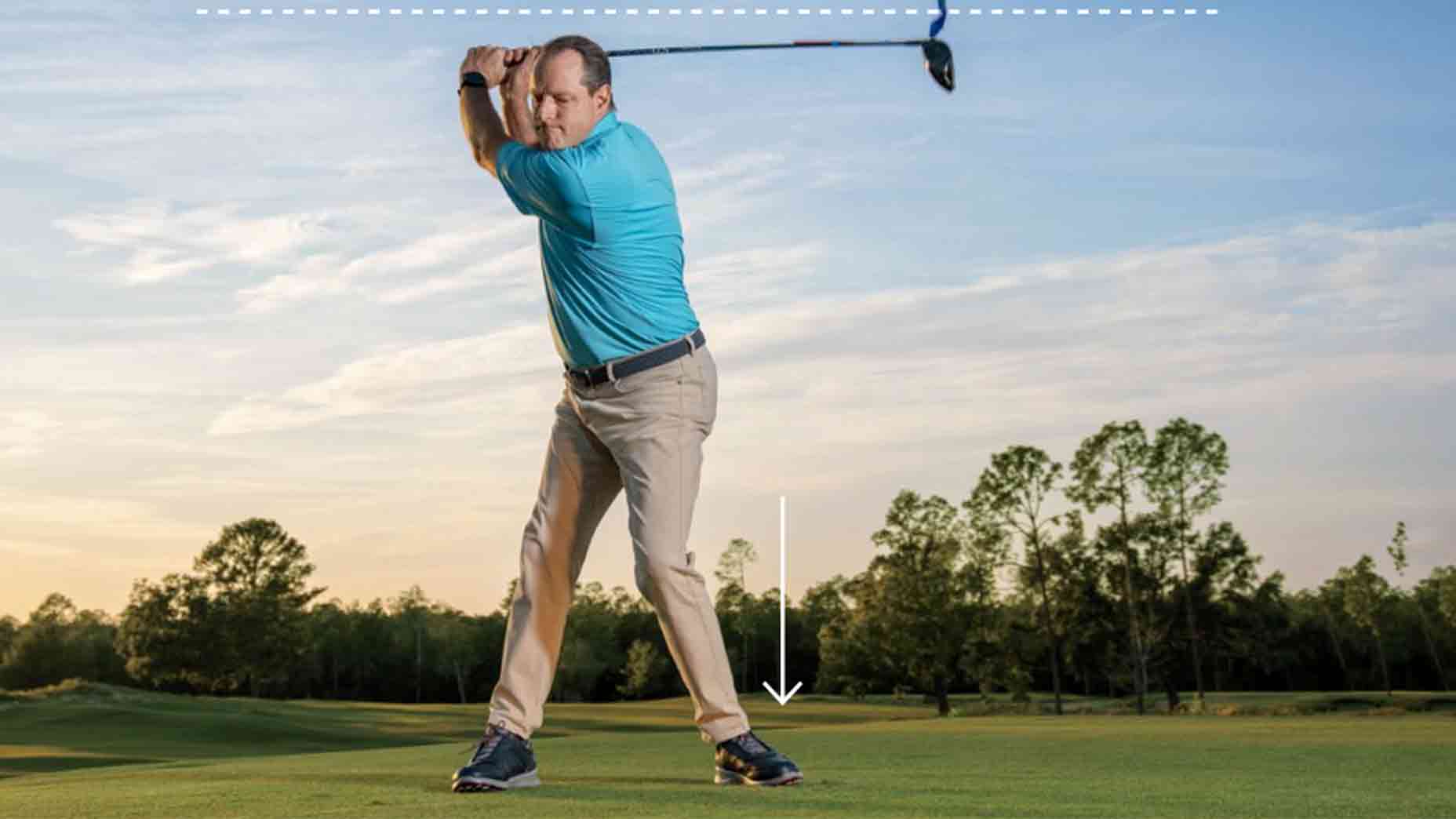
The initial phase begins as the player sets up for the swing. Taking a moment to feel balanced and centered creates an optimal foundation. The real magic happens during the transition from the backswing to the downswing. DiJulia notes, "This is where golfers can harness their body's natural momentum. The pressure should build gradually as you shift your weight onto your lead foot. This natural progression ensures that when you do strike the ball, the force is maximized."
In practice, this involves a few key adjustments. First, players must ensure they achieve proper body rotation during the transition. Relying on upper body movement alone can lead to a loss of control and pressure. Furthermore, gripping the club lightly yet firmly instills confidence and allows the wrists to release naturally, adding more power at impact.
Many players neglect the follow-through, yet this is where the magic of pressure is completed. Ensuring a fluid and balanced finish reinforces the energy generated throughout the swing, adding distance and directional accuracy. DiJulia claims, "The best players have a seamless follow-through. That’s where the pressure peaks and releases, resulting in drives that could be over 300 yards."
In their own words
"Understanding pressure doesn’t just translate to distance; it can change your entire game. When you know how to leverage it, every shot can feel effortless and powerful."
— Dom DiJulia
"Applying pressure has transformed my game. I went from being a solid player to hitting drives with confidence and length I never imagined was possible."
— John Smith, Amateur Golfer
What this means for golfers
The concept of harnessing pressure is a game-changer for recreational golfers who may be struggling with distance. By honing in on this technique, players can enhance both their power and accuracy, aligning their physical abilities with strategic mental processing. Equipment-wise, golfers could consider driver models that facilitate faster swing speeds or those that maintain stability during impact. Furthermore, understanding one's swing mechanics is crucial when working with this technique. Taking lessons or utilizing swing analysis tools could further sharpen a player's ability to apply pressure effectively.
What's next
As the golf season moves forward, players looking to incorporate DiJulia's pressure techniques should seize the opportunity to practice during the off-season. Upcoming tournaments present chances for golfers to test their skills under pressure, which can help refine their approach and gauge the effectiveness of their training. Golfers may also look for clinics or workshops led by seasoned professionals that focus on pressure mechanics in a competitive environment.
Ultimately, mastering the art of applying pressure is essential not just for power but for developing a complete, confident golf game. For those willing to put in the effort, the rewards can be substantial—more club distance, improved scores, and increased enjoyment on the course.