Introduction
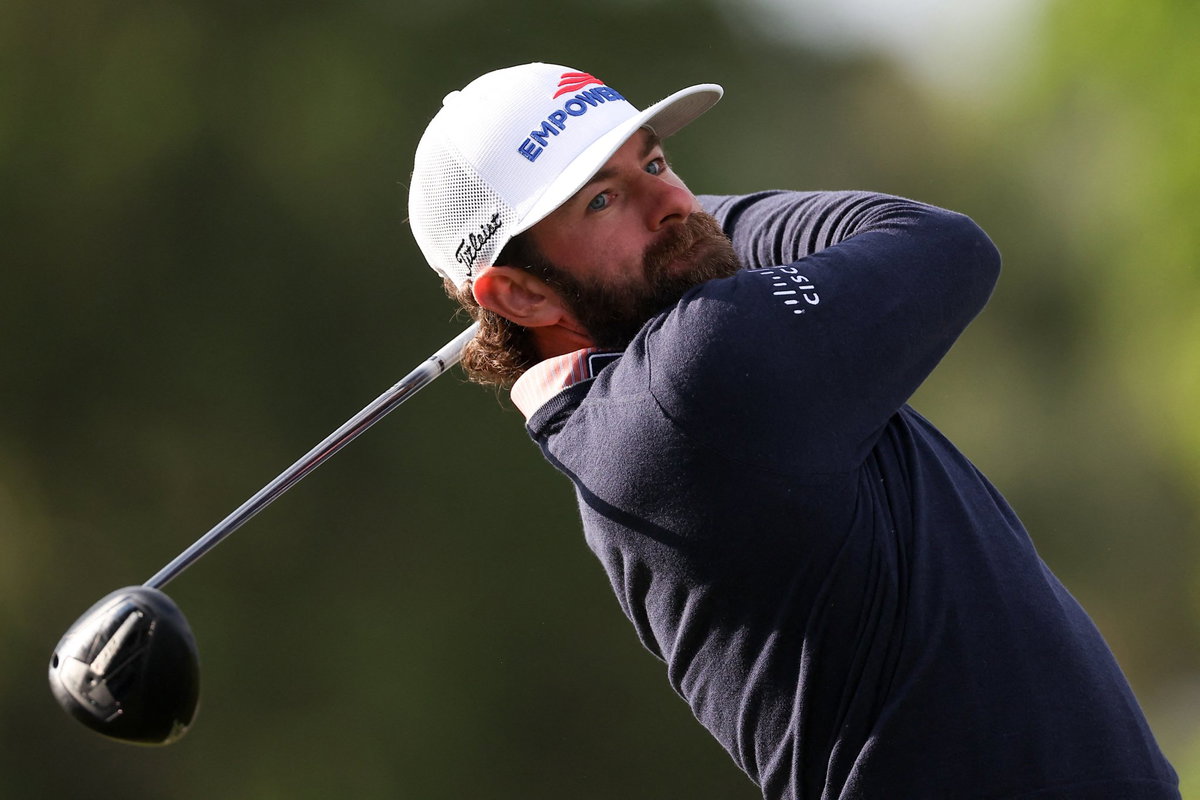
Jon Rahm, a formidable force in golf and current world number one, faced an unexpected hurdle at Augusta National during the opening round of the Masters. A combination of pressure and course layout took a toll on Rahm, a player expected to challenge for the title. As legends of the game weigh in, insights into his rough start reveal potential pitfalls and areas for improvement.
Key takeaways
- Jon Rahm had a rocky beginning at the Masters, struggling with the iconic Augusta course.
- Experts cite intense pressure as a possible reason for his poor performance.
- The distinct architecture and challenges unique to Augusta National may have affected his play.
- Rahm’s experience and skill suggest he can rebound in future events.
- Understanding course dynamics is crucial for success at major tournaments.
Context and background
Since his debut in 2017, Jon Rahm has rapidly ascended the ranks of professional golf, culminating in his current spot as golf's top player. With his blend of power and precision, the Spaniard has shown an ability to handle high-pressure situations. However, the Masters has often presented its own set of challenges. Players of all calibers have historically experienced setbacks at Augusta, where strategic placement and course management can determine success or failure.
In the past decade, several players have struggled during their initial outings, with fluctuating weather conditions, fast greens, and treacherous pin placements making even the most seasoned professionals rethink their approach. In comparing Rahm’s early tournament scores with those of former Masters champions, it's evident that the first round can dictate the overall performance at Augusta.
Analyzing Rahm's rocky start
In the first round, Rahm recorded several uncharacteristic mistakes, including errant drives and three-putts on fast greens, leading to an inability to establish any momentum. According to observations from industry experts, two key factors may have contributed to his poor start: pressure and course management.
The mental strain of competing at such a prestigious event often weighs heavily on players, especially those with high expectations like Rahm. The Masters is not merely another tournament; it is steeped in tradition and history. The honorary green jacket awarded to the champion represents a lifetime of achievement, which can create an overwhelming desire to perform that may backfire under pressure.
Furthermore, Augusta's challenging design presents unique challenges that demand precision in approach shots and a solid understanding of the course’s nuances. Rahm, who is known for his aggressive style, may have approached shot selection without considering the inherent risks. His inconsistency with club selection led to greater challenges in finding the greens in regulation and setting up birdie opportunities.
Despite the disappointing start, Rahm’s reputation as one of the game’s best indicates that he possesses the skills necessary to adjust and make a run. With an impressive career trajectory that includes multiple PGA Tour victories, his resilience could turn a blunder into a valuable learning experience.
In their own words
"The Masters is an entirely different beast. It takes years to really understand the nuances of the course. The pressure is immense for all competitors, especially for someone like Jon."
— Former Masters Champion
"Golf is one of the toughest sports, especially at Augusta. Rahm has talent, but sometimes, it’s about mental fortitude more than skill."
— Golf Analyst
What this means for golfers
For recreational golfers, Rahm's experience at Augusta serves as a lesson in humility. Despite being a world-class athlete, he faced challenges that can affect any player, emphasizing the importance of mental preparation and understanding the golf course ahead of time. Golfers of all levels can benefit from conducting thorough research on tournaments they participate in, particularly evaluating course layout and conditions to develop a solid game plan.
Additionally, focusing on the mental side of the game is crucial. Practicing mindfulness and coping strategies for high-pressure situations can significantly impact players’ performance, especially in tournament play. As seasoned golfers know, even the best can have off days, but that doesn’t mean they should abandon their skills or knowledge.
What's next
Looking ahead, the implications of Rahm’s performance could resonate beyond this year’s Masters. As the golf season progresses with an array of major tournaments looming, Rahm must recalibrate his approach to regain confidence and leverage lessons learned at Augusta. Upcoming events such as the PGA Championship present fresh opportunities for him to demonstrate resilience and capitalize on his profound skill set.
Golf enthusiasts and analysts alike will watch closely, eager to see how the world number one adjusts his game strategy. If he can analyze his performance and evolve, Jon Rahm could very well emerge stronger, setting the stage for an explosive year ahead in his pursuit of excellence in the sport.

/https%3A%2F%2Fcdn.pijper.io%2F2026%2F06%2FRkUgIHk3UBT3tw1781080975.jpg)