Intro
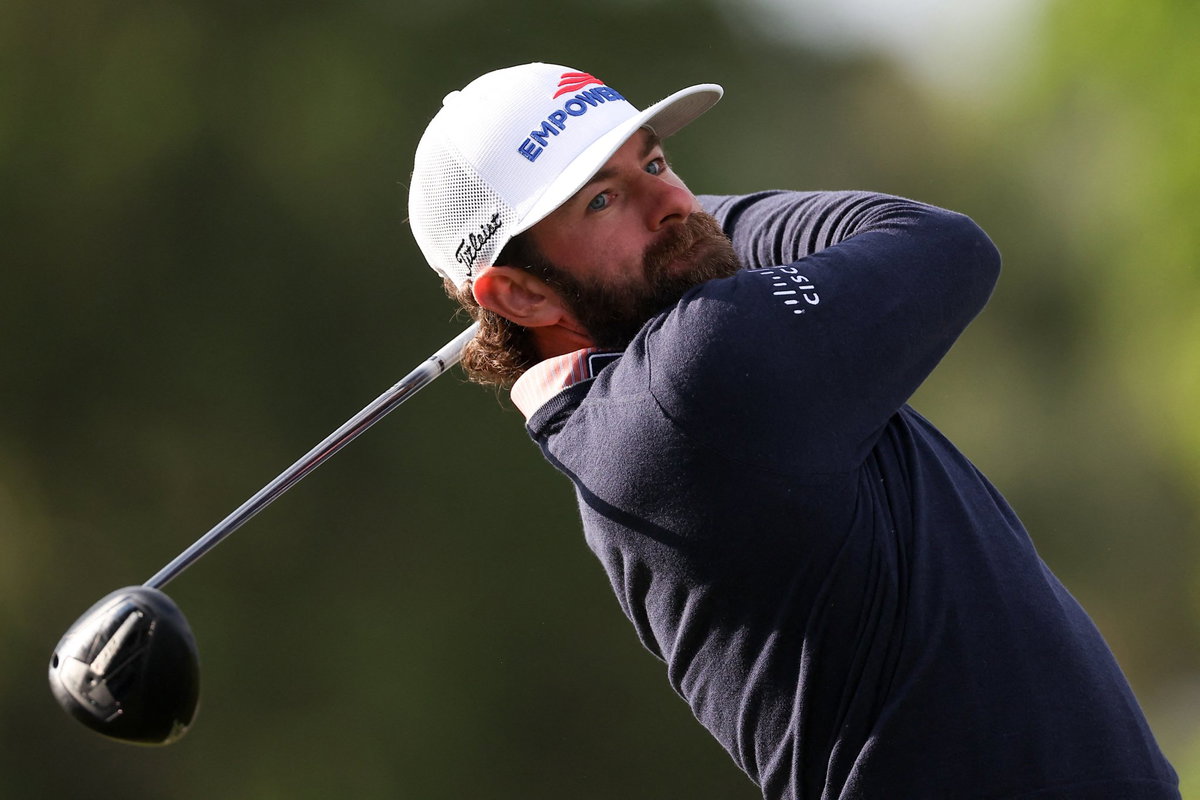
Matt Fitzpatrick’s emotional victory at the Valspar Championship marked a significant milestone as he secured his third PGA Tour title. However, the celebration was tempered by profound frustration related to the slow play of his fellow competitor, which Fitzpatrick claimed disrupted his overall rhythm and focus during the tournament.
Key takeaways
- Matt Fitzpatrick clinched his third PGA Tour title at the Valspar Championship.
- Fitzpatrick expressed strong frustration with the slow pace of play from his playing partner.
- The slow play significantly impacted his performance, as he noted, "It knocked me out of rhythm."
- The issue of slow play remains an ongoing and contentious topic within the professional golf community.
Context and background
Slow play has long plagued the world of professional golf, contributing to frustration among players and fans alike. Historically, the PGA Tour has struggled with varying methods to mitigate this issue, but it remains a significant barrier to effective competition. Research indicates that professional tournament rounds average around four hours, considerably exceeding the traditional expectation of 3.5 hours. This extension can become a source of exasperation for players who thrive on maintaining momentum. Fitzpatrick himself, becoming a formidable force with three PGA Tour titles since turning professional, embodies the need for pace, which is essential for peak performance.
A victory overshadowed by timing
Fitzpatrick's triumph at the Valspar Championship was punctuated by his realization that while he had triumphed, the experience was interfered with by slow play. "It knocked me out of rhythm," he reflected post-match, stressing how crucial each moment is for concentration and execution. For players like Fitzpatrick, maintaining an even tempo influences not just personal performance but also game enjoyment. In high-pressure situations, like the Valspar, the relevance of pace becomes increasingly pronounced. Fitzpatrick's predicament adds depth to the ongoing conversation surrounding the pace of play on the PGA Tour.
In recent years, the criticism regarding slow play has proliferated, not just from competitors but also spectators eager for a dynamic viewing experience. Statistics reveal a direct correlation between the time taken for each hole and increased stress levels, which can adversely affect performance. This reality was vividly illustrated in Fitzpatrick's struggle to balance his emotions from both winning and feeling disrupted by slow play. As he contextualized it, the slow pacing “disrupts everything,” emphasizing how challenging it is to sustain flow even in good form.
In their own words
"It knocked me out of rhythm, the slow play just disrupts everything for me. Even when you are playing well, it's difficult to maintain that flow."
— Matt Fitzpatrick
What this means for golfers
The implications of Fitzpatrick's experience extend beyond the professional realm into the everyday experiences of recreational golfers. Understanding the importance of maintaining a steady pace can dramatically enhance one’s enjoyment on the course. For amateur players, engaging in efficient pre-shot routines and setting a brisk pace for the day can positively influence the overall round. Fitzpatrick’s observations may serve as a reminder to all golfers about the necessity of timing on the course.
Golf managers and clubs may also look to enforce more effective pace of play policies, taking cues from the adjustments made in professional settings. By exploring strategies that encourage quicker gameplay, golf venues can provide a more favorable experience for players at all skill levels.
What's next
The discussion surrounding slow play is poised to remain a pivotal topic on the PGA Tour as players gear up for upcoming events, including highly anticipated fixtures like the Masters. With the pressure to perform efficiently growing, players will be scrutinizing their pacing while striving to achieve remarkable outcomes. In light of his victory at the Valspar Championship, Fitzpatrick will surely be focusing on finding ways to balance maintaining his own rhythm amid the challenges of time-consuming play. The coming months will showcase whether heightened awareness of this issue leads to more structured solutions, ultimately enhancing the game for both professional athletes and casual golf enthusiasts alike.

/https%3A%2F%2Fcdn.pijper.io%2F2026%2F06%2FRkUgIHk3UBT3tw1781080975.jpg)