
Introduction
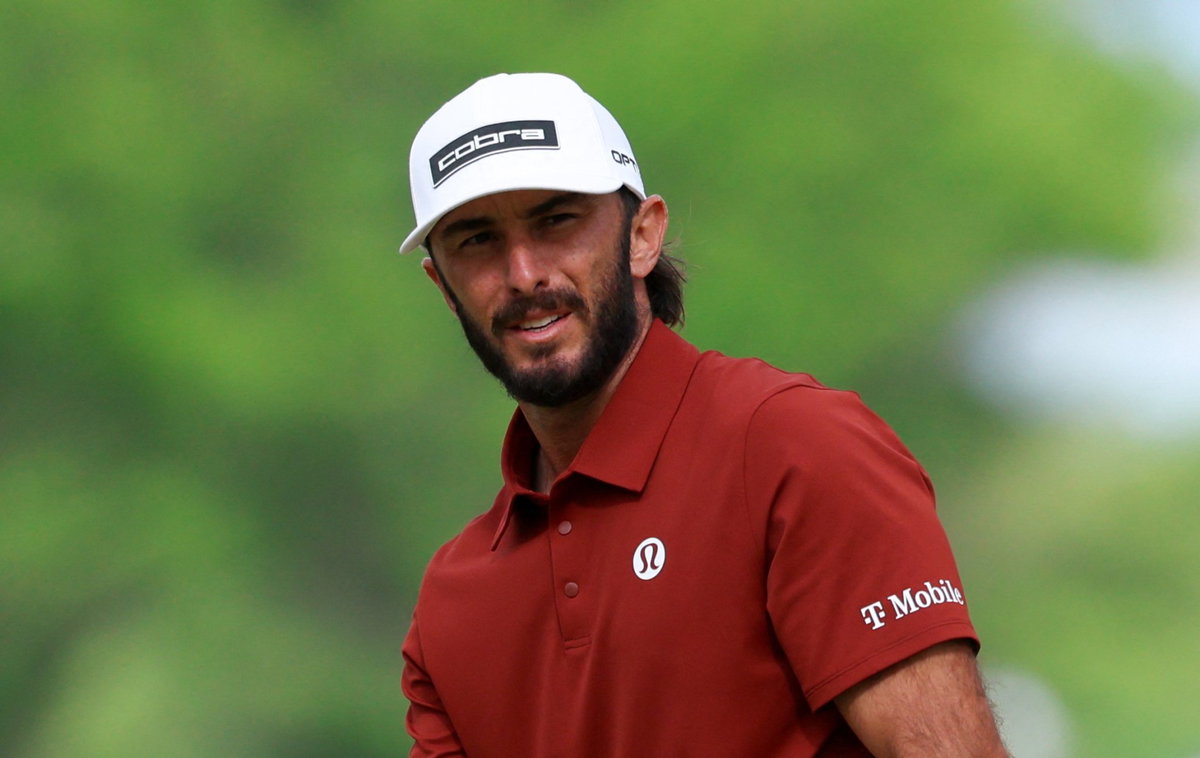
In a surprising turn of events, Max Homa has ended his partnership with former caddie Joe LaCava, known for his long-term role alongside Tiger Woods. This decision comes just days before the highly anticipated Charles Schwab Challenge at Colonial, sparking discussions about Homa's preparations and strategic adjustments ahead of the tournament.
Key takeaways
- Max Homa has parted ways with caddie Joe LaCava.
- The caddie change comes right before the Charles Schwab Challenge.
- Homa is known for his impressive performances on the PGA Tour, including winning multiple events.
- LaCava has been a prominent figure in golf, caddying for Woods during several key victories.
- This change could have significant implications for Homa’s performance in upcoming tournaments.
Context and background
The relationship between a golfer and their caddie is critical; it often shapes strategy, decision-making, and on-course performance. Max Homa, who first burst onto the national golf scene in 2019, has always exhibited a dynamic playing style tied to his adaptability and competitive spirit. Over recent years, Homa has solidified his status within the PGA Tour, earning his first victory at the Wells Fargo Championship and adding more wins to his résumé.
Joe LaCava has caddied for many high-profile players, most notably Tiger Woods, with whom he has shared in moments of glory at tournaments around the world. Having him on the bag offered Homa a wealth of experience, especially during critical situations in high-stakes tournaments. Despite this, partnerships can evolve, and high-performance athletes often seek arrangements that best fit their current needs.
A new chapter for Homa
Max Homa's decision to change caddies is reflective of an athlete looking to recalibrate their approach amid fluctuating performances. His recent tournament results might have sparked this change, as he aims to regain the form that has seen him claim multiple victories in recent years. It’s essential to remember how this relationship can sometimes become a double-edged sword. On one side, caddies hold valuable insights into course management and shot selection; on the other, they must also mesh well with the golfer's mentality and style.
LaCava’s departure comes at a pivotal time as the PGA Tour is in full swing, and the Charles Schwab Challenge represents a chance for Homa to make his mark. The tournament features a strong field, and performance here could set the tone for the remainder of the season.
Statistically, Homa has seen strong finishes but has had moments where he's fallen short of expected performance—something he likely discussed with LaCava. His seven PGA Tour victories, including well-fought matches and prominent standings, suggest that recalibration might be necessary, whether it be through caddie dynamics or technique adjustments.
In their own words
"Sometimes a fresh perspective is what you need to take the next step in your career. It’s not easy saying goodbye, but you have to do what’s best for your game."
— Max Homa
"I've enjoyed every moment with Max. He's a talented player, and I wish him nothing but the best moving forward."
— Joe LaCava
What this means for golfers
The impact of a caddie change can extend beyond professional players and resonates with recreational golfers too. For amateurs, understanding the fundamentals of how a good caddie aids a player’s game can lead to improved performance on and off the course. Knowledge about course management, optimal shot selections, and emotional support are all aspects that can benefit golfers of any level.
For fans and aspiring golfers, this recent shift highlights the importance of adaptability. Whether it’s modifying a swing, reconsidering equipment, or simply taking a new approach to the game, change can often lead to improvement. Keeping an eye on how Homa performs in the days following this decision can offer insights into how a new partnership can reinvigorate a player's career.
What’s next
As Max Homa steps into the Charles Schwab Challenge, all eyes will be on his performance as he adjusts to this new phase in his career. With caddies playing vital roles during tournament play, the potential for success will rely heavily on how quickly he adapts. Upcoming events on the tour, including the U.S. Open and The Open Championship later in the season, will be critical for Homa to establish a consistent rhythm with his new caddy, ensuring he remains a competitor to watch on the PGA Tour.
Ultimately, this change might not only reshape Homa’s approach to the game but could also serve as a catalyst for a resurgence in his trajectory, especially in a competitive field filled with landscape-changing performances.
/https%3A%2F%2Fcdn.pijper.io%2F2026%2F06%2FRkUgIHk3UBT3tw1781080975.jpg)