Intro
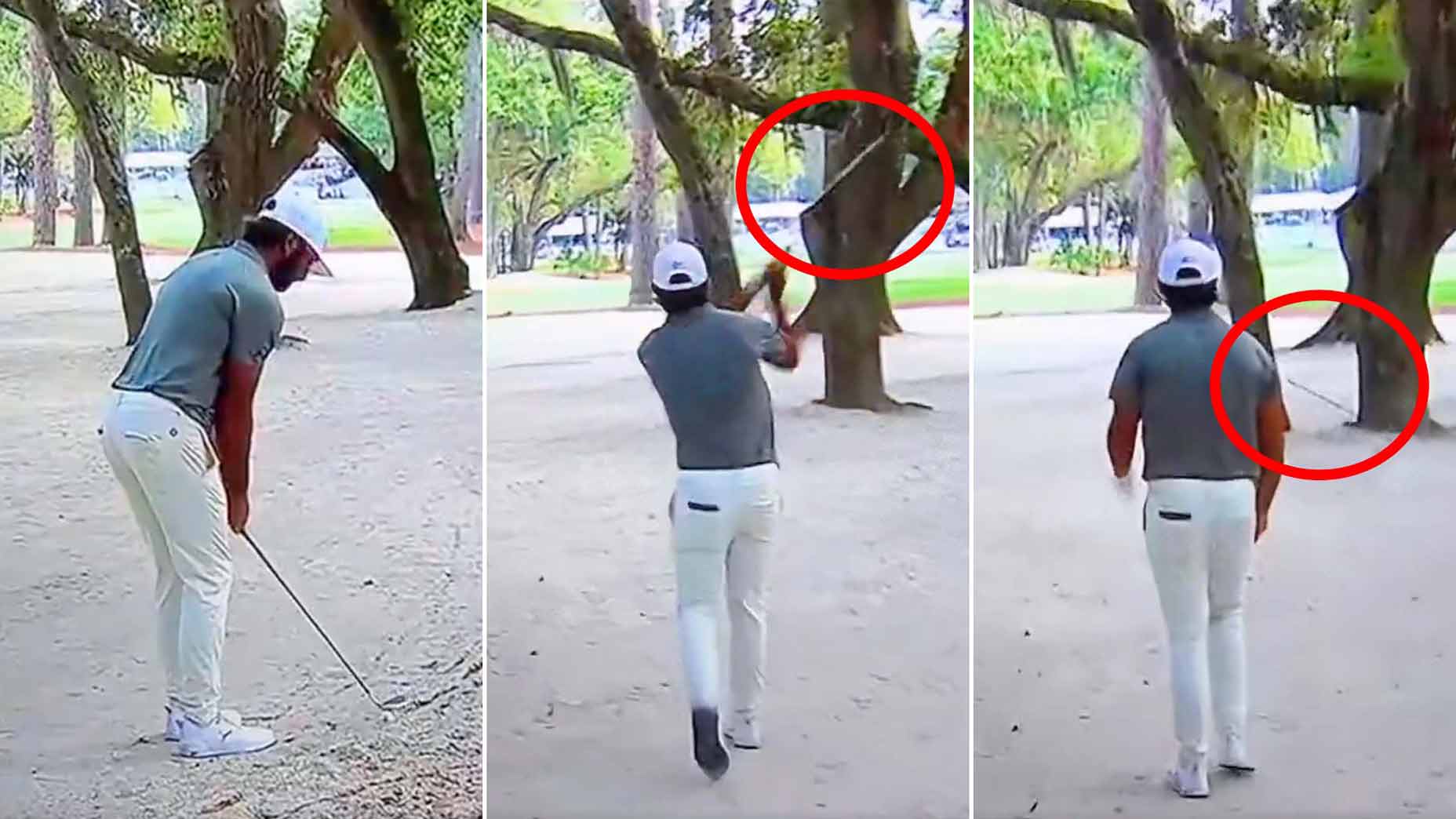
In a twist of irony, Max Homa found himself in the spotlight for a club-throwing incident at the RBC Heritage, just days after publicly criticizing similar behaviors attributed to Sergio Garcia's outburst during the Masters. The juxtaposition of Homa's earlier sentiments against his own actions has sparked discussions about the emotional rigors of professional golf and the fine line between competitive frustration and sportsmanship.
Key takeaways
- Max Homa threw his club into a tree during the RBC Heritage after a challenging hole.
- This incident occurred shortly after he criticized Sergio Garcia's outburst at the Masters.
- Homa's actions have reignited debates about the emotional pressures faced by golfers on tour.
- Public perception of consistency in sportsmanship is critical in professional golf.
Context and background
Max Homa, currently ranked among the top players in the world, is known for his outgoing personality and sharp commentary, particularly on social media. With several tour wins under his belt, including the Farmers Insurance Open and the Fortinet Championship, Homa has cultivated a reputation for both talent and authenticity. His recent criticism of Sergio Garcia's theatrics following a poor shot in the 2023 Masters stirred conversation about the expectations of player comportment on the course.
Sergio Garcia's incident was emblematic of a tension that occasionally surfaces in competitive environments. Historically, professionals like Garcia have faced scrutiny over emotional displays on the course. With over 30 professional wins, including a Masters title, Garcia remains a polarizing figure in golf, drawing both praise and criticism for his passionate style. Homa's earlier remarks coincided with a broader trend where golfers are increasingly expected to maintain composure, contrasting with the raw emotions often displayed by fans.
The irony of competition: Max Homa's emotional breakdown
During the RBC Heritage, Max Homa faced a challenging situation on the greens that culminated in the infamous club-throwing incident. After succumbing to frustration on the third hole and having suffered a string of missed putts, Homa, in a moment of emotional overflow, launched his club into a nearby tree—a move that not only surprised the gallery but also starkly contrasted his previous comments condemning such behavior.
This outburst invites an examination of the psychological aspects of professional golf. While Homa has made a name for himself as a thoughtful player who dials into mental strategies, the act of throwing his club indicates that even the most composed athletes are susceptible to frustration. Over the years, studies have shown that the mental aspects of golf play a critical role in performance. Players are trained to manage their emotions, yet the pressure to perform consistently at a high level can occasionally culminate in uncharacteristic reactions.
In contrast to Homa's criticism of Garcia, his actions at the RBC Heritage raise questions about player accountability. To the casual observer, the disparity between Homa's public persona and his on-course conduct may appear hypocritical. Golfers are often defined not just by their physical skill but also by their ability to handle emotions under pressure. As the lines between emotional release and sportsmanship blur, how players choose to respond to setbacks becomes a focal point of discussion within the golfing community.
In their own words
"I believe in playing with respect for the game and for my fellow competitors. Still, sometimes in the heat of the moment, things can happen that you just can't control."
— Max Homa
"We're all human, and this game can bring out intense feelings. It's important to channel that in a productive way, but sometimes you just lose it."
— Anonymous Tour Player
What this means for golfers
The club-throwing incident serves as a reminder of the immense pressure professional golfers face. For recreational golfers, it's a valuable lesson in the importance of maintaining composure on the course. While frustrations are natural, how one manages these emotions can impact not only performance but also the enjoyment of the game.
In light of Homa's experience, amateur golfers can take away the importance of mental fortitude. Unlike professionals, ordinary players often feel fewer external pressures; however, emotional management is still crucial in the pursuit of personal bests. Players should incorporate relaxation techniques or even set personal rules about expressing frustration effectively, perhaps using humor or deep breaths rather than physical displays.
What's next
Looking ahead, the incident raises awareness of the mental health and emotional intelligence aspects of golf. As players like Homa continue to be in the limelight, it's likely the conversation around emotional regulation and sportsmanship will grow. Future tournaments will also be monitored more closely, as fans and fellow players alike assess how competitors respond under stress.
Moreover, as the PGA Tour schedule rolls on, expectations surrounding player behavior may shift, encouraging an even greater emphasis on sportsmanship. Homa's juxtaposition with Garcia illustrates that no player is above the pressures of the game, and these ongoing narratives will undoubtedly shape golfing culture moving forward, as players at all levels seek to balance passion with professionalism.