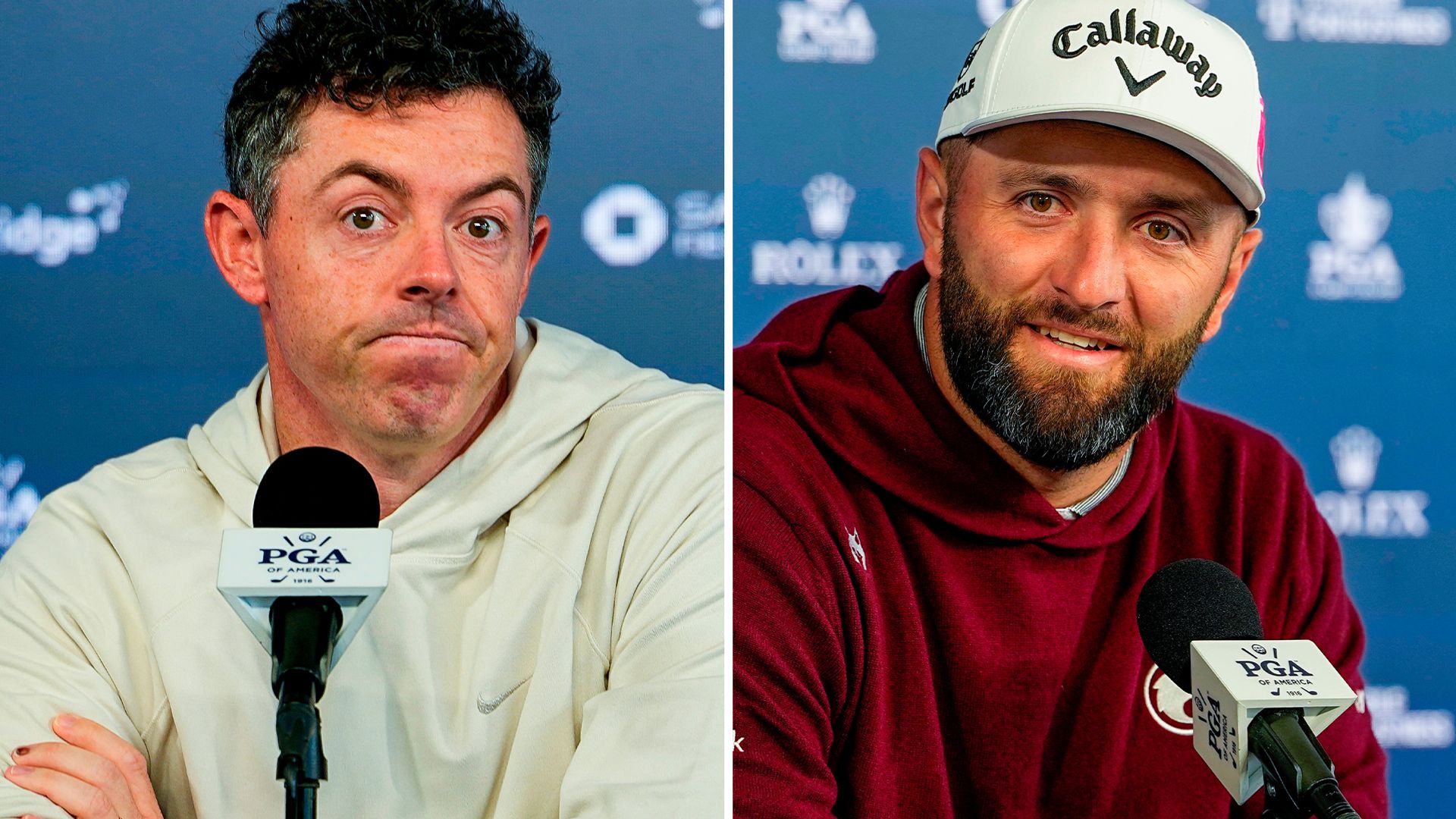
McIlroy warns LIV Golf in precarious spot as Rahm keeps faith
As the world of professional golf continues to navigate through a transformational period, Rory McIlroy has recently expressed his reservations about the future of LIV Golf, declaring it to be in a "precarious position." Meanwhile, fellow golfer Jon Rahm has emerged as a voice of optimism, choosing to retain his faith in the evolution of the sport amid ongoing tensions between traditional tours and the emerging Saudi-backed league.
Key takeaways
- Rory McIlroy acknowledges that LIV Golf faces significant challenges ahead.
- McIlroy previously supported the possibility of PGA Tour collaboration with LIV Golf’s investment.
- Jon Rahm remains committed to the future of the sport, despite uncertainties.
- The ongoing rivalry is reshaping professional golf, impacting players and fans alike.
Context and background
Since its inception, LIV Golf has stirred controversy within the professional golf community. Funded primarily by Saudi Arabia's Public Investment Fund, the league has attracted several high-profile players with lucrative contracts. However, its emergence has also prompted criticisms related to ethical issues and the source of its funding. The competition between LIV Golf and the PGA Tour has brought forth debates about the long-term implications for the sport, including potential shifts in sponsorship, viewership, and public engagement.
Historically, golf's structure has revolved around traditions upheld by the PGA Tour, which boasts a rich legacy dating back to 1929. The tension with LIV Golf poses an existential threat not only to established players but also to institutions that have long governed the sport. Statistics indicate that events featuring LIV Golf players have significantly impacted tournament viewership ratings, raising questions about fan loyalty and the overall future of traditional golf leagues.
LIV Golf in the spotlight: A precarious position
McIlroy's candid acknowledgment of LIV Golf's precarious situation suggests that even within the ranks of leading golfers, there are significant doubts regarding the league's longevity. In a recent statement, he reflected on past assumptions regarding the potential benefits that the Saudi investment might bring to the PGA Tour and expressed regret over misjudgments that encouraged the influx of capital from the PIF.
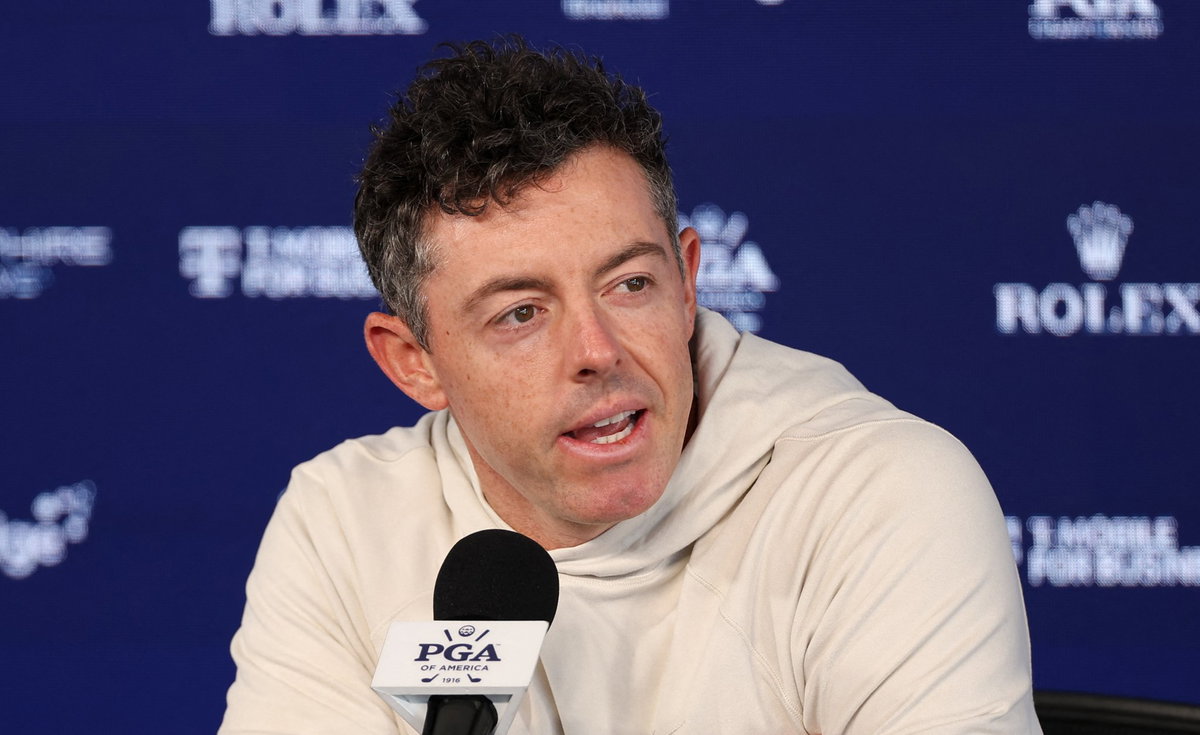
“I was wrong to think the PGA Tour could embrace this kind of investment,” McIlroy commented during a press conference. “The reality is, the business model for LIV Golf has not proven its sustainability. As we move forward, it’s clear that decisions will have to be made sooner rather than later.”
While many players were swayed by the lucrative financial offerings from LIV, the ongoing backlash and mounting pressure from traditional golf enthusiasts have contributed to a challenging atmosphere for the league. Player engagement, fan acceptance, and tournament integrity remain chief concerns as LIV Golf strives to establish a firm foothold in the sport.
In contrast, Jon Rahm has voiced a more favorable outlook, indicating a steadfast commitment to the burgeoning direction of golf. He emphasizes that the sport is ultimately defined by its players, which fosters a sense of optimism regardless of the external conflicts. His belief in the sport's adaptability demonstrates a perspective aligned with transformation rather than network friction.
In their own words
“I was wrong to think the PGA Tour could embrace this kind of investment. The reality is, the business model for LIV Golf has not proven its sustainability.”
— Rory McIlroy
“Golf has always been about the players. I believe in the future we can find harmony in this game, no matter how it enhances or changes the competitive landscape.”
— Jon Rahm
What this means for golfers
For recreational golfers and amateur players, the current dynamics between LIV Golf and traditional tours highlight the importance of staying informed about how such institutional changes can affect the game at all levels. As sponsors and athletes reassess their commitments, golf enthusiasts may face modifications in tournament structures, sponsorship branding, and even the availability of professional role models on the courses.
For equipment buyers, this is an exceptional time to evaluate how the game is changing, with many manufacturers influenced by the trends set forth by LIV Golf’s financial backing. Price points and innovation strategies may shift as companies adapt to the changing landscape, meaning consumers will want to leverage this change to access new advancements.
What's next
Looking ahead, the future of LIV Golf and its operational viability remains a key storyline within the sport. Upcoming tournaments will likely attract attention not only for the competition but also for underlying narratives involving player loyalties and emotional investments. As industry leaders and stakeholders work to navigate these challenges, it will be vital to monitor how the PGA Tour responds and whether strategies can be forged to create cohabitation between the two entities.
With major championships such as The Masters and The Open on the horizon, the demand for a cohesive narrative in professional golf will be paramount. How the players, organizations, and fans adapt to the evolving landscape will ultimately determine the sport's trajectory, and both the PGA Tour and LIV Golf will be under scrutiny in the months and years to come.