Intro paragraph
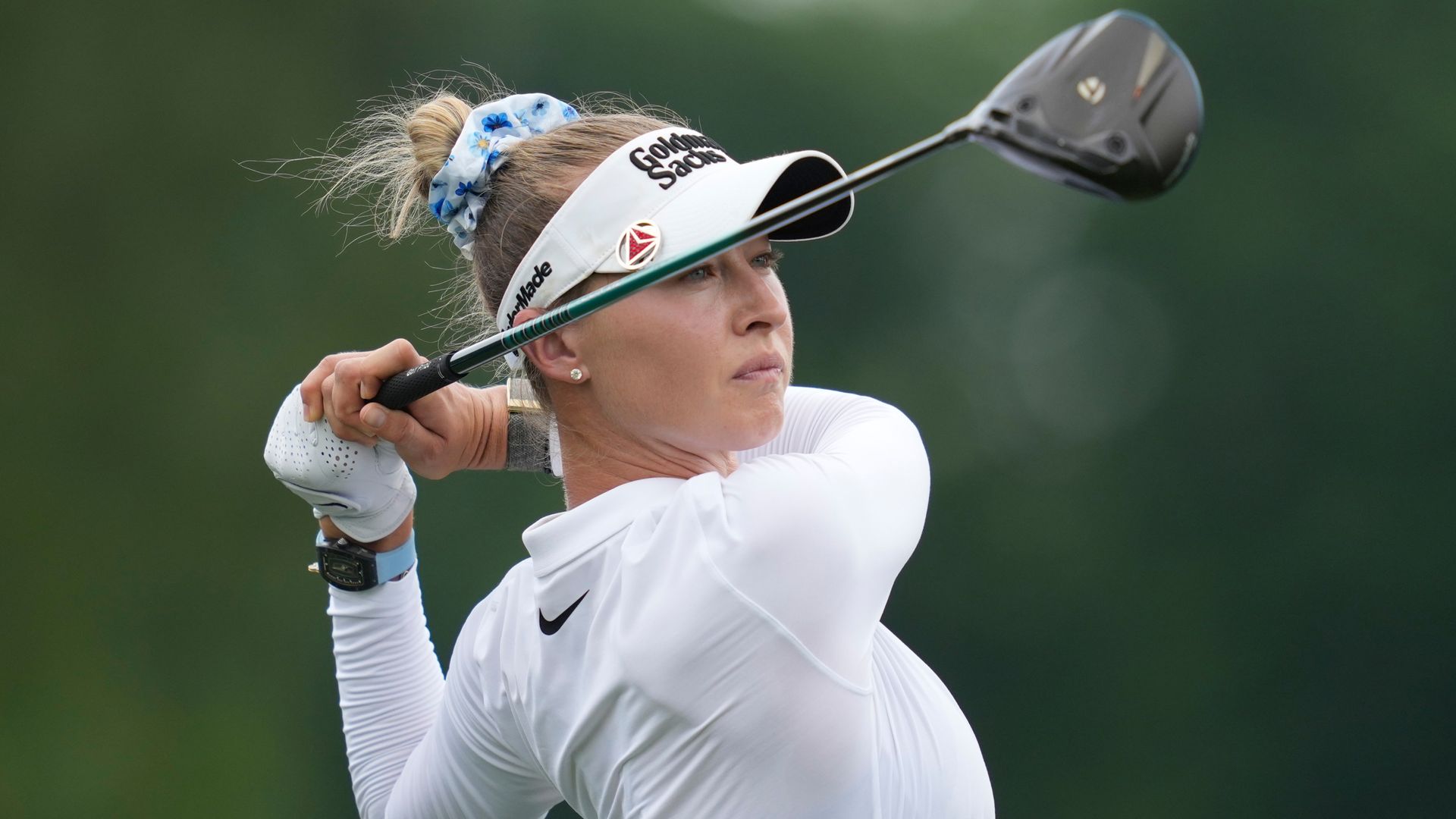
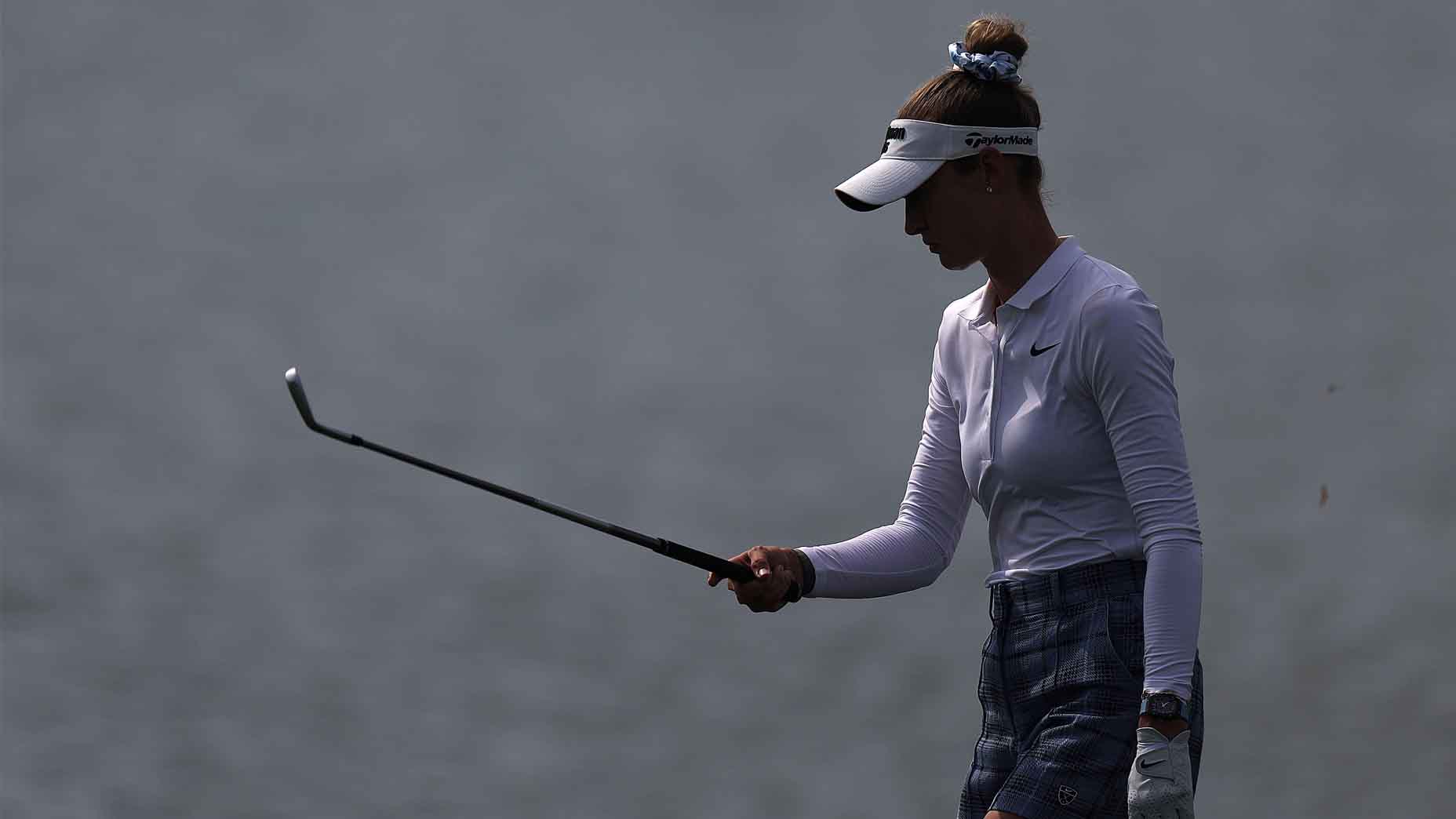
This week’s Chevron Championship has been a thrilling showcase of talent with Nelly Korda leading the charge in Houston. Dominating the course and captivating audiences, Korda's pursuit of victory became complicated after a temporary lapse in focus on Saturday. With the final stretch upon us, two compelling conclusions emerge about her potential triumph.
Key takeaways
- Nelly Korda has performed exceptionally well throughout the tournament, showcasing her skills and strategic acumen.
- A lapse in concentration on Saturday raised questions about her mental resilience standard in high-pressure situations.
- The implications of her performance could resonate beyond this tournament, affecting her standing among the elite in women’s golf.
- Fans and analysts are keenly observing two distinct potential outcomes on Sunday, each with significant ramifications for her career.
Context and background
Nelly Korda, a prominent figure in women’s golf, has made headlines with her stellar performances since turning professional in 2016. Born on July 28, 1998, Korda quickly emerged as a force to be reckoned with, achieving her first major win at the 2021 KPMG Women’s PGA Championship. As of 2023, she has consistently maintained a ranking amongst the top players globally, highlighted by her position as world number one. The Chevron Championship represents one of the most prestigious tournaments in women's golf, and Korda’s performance is a testament to her skill and determination.
Historically, the Chevron Championship—a part of the LPGA major events—has seen numerous elite players claim victory, making Korda’s pursuit particularly noteworthy. Her journey has been peppered with both triumphs and challenges, including injuries that have tested her resolve. This context sets the stage for her current chase, illustrating how each round can redefine a player's trajectory in the golfing world.
A dynamic chase with multi-faceted implications
As Korda conquered the course and led in the early rounds of the Chevron Championship, it became clear that she was not merely competing against the field but also battling against the weight of expectations that comes with her ranking. However, Saturday introduced a fresh narrative as Korda lost her focus, resulting in missed opportunities and a dip in her performance.
This development has given rise to two fascinating outcomes for the final day of the tournament—one characterized by redemption and the other by the challenging implications of mental toughness in sports. If Korda manages to maintain her composure and finish strong, it could bolster her confidence and solidify her reputation as a leading contender in future tournaments, reaffirming her spot among elite players.
Conversely, if she succumbs to the pressure of the moment again, it could spark discussions about her mental resilience—an aspect crucial for any player aspiring to sustain a successful career at the top level. Athletes in high-stakes competitions often grapple with the psychological burdens of performance, and Korda's experience could become a case study on the importance of mental fortitude in golf.
Statistics from her previous matches further add depth to the analysis; she has shown a consistent ability to rebound after setbacks. For instance, her comeback from previous tournaments where she experienced minor blips gave her the edge in tight situations. With her current form, she stands poised to capitalize on any slip-ups from her competitors, demonstrating the competitive edge that sets the best apart in golf.
In their own words
"I know I have it in me to finish strong, but sometimes it’s about blocking everything out and just focusing on each shot."
— Nelly Korda
"Golf is as much a mental game as it is physical. It will be interesting to see how Nelly bounces back on the final day."
— Golf Analyst
What this means for golfers
The fluctuations in Korda’s performance offer valuable lessons for amateur golfers, especially regarding the significance of mental resilience during play. It is essential for recreational players to cultivate a strong mental game—one that allows them to shake off bad shots and missteps. Techniques such as visualization, deep breathing, and maintaining a pre-shot routine can be vital in building composure on the course.
In light of the Chevron Championship, golfers might also examine their equipment choices, as superior gear can bolster confidence and performance. Fine-tuning one’s equipment to enhance feel and accuracy can be the difference between a mediocre round and a great one, much like how Korda’s skill set translates on an elite level.
What's next
Looking toward future events, Korda’s performance in this tournament may set the tone for her upcoming schedule. Should she emerge from the Chevron Championship with a win or a strong finish, it would likely ignite a momentum that could propel her through the rest of the season, especially with the prestigious Solheim Cup and other majors on the horizon. Additionally, fans and players alike will be eager to see if Korda can balance her burgeoning career with mental fortitude among the pressures of the professional golfing world, showcasing what it truly takes to be at the top.