Intro paragraph
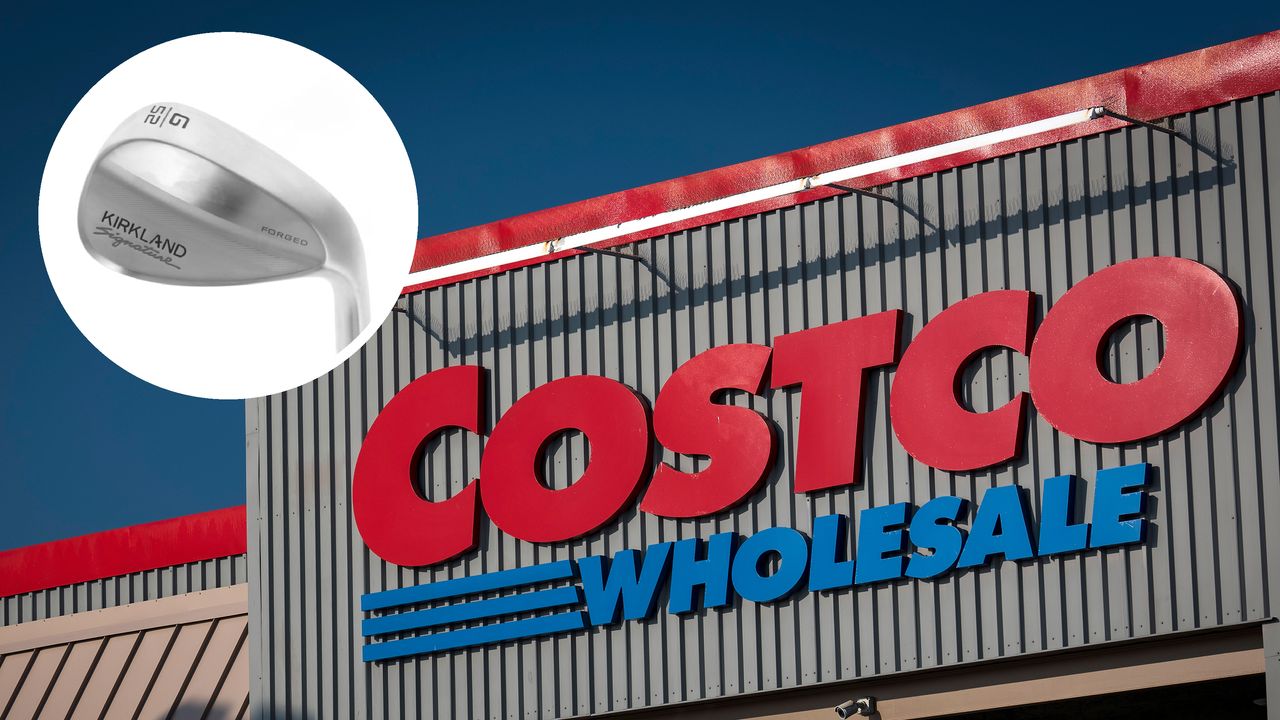
This week marked a significant milestone for Kirkland, as the company introduced its first-ever forged wedge, officially hitting the USGA's Conforming List. This new entry into the golf equipment market signals Kirkland's commitment to innovation and quality in a highly competitive field, aiming to attract both amateur and professional golfers alike.
Key takeaways
- A new Kirkland wedge featuring a forged design has gained USGA approval.
- This marks Kirkland's first foray into high-quality forged irons and wedges.
- The wedge aims to compete with established brands in the golf equipment market.
- The introduction reflects a growing trend among big-box retailers venturing into premium golf gear.
- Golf enthusiasts are eager to see how Kirkland's offering performs in comparison to traditional brands.
Context and background
Founded by Costco, Kirkland has evolved beyond just a grocery store name into a well-known brand across several product categories, including golf equipment. While Kirkland is traditionally known for its value-focused products, the expanding golf lineup has raised eyebrows, particularly with the introduction of higher-end gear.
The USGA's Conforming List is a directory of golf clubs and balls that conform to established regulations, providing assurance to players that they adhere to the strict standards of competitive play. With golf equipment enthusiasts increasingly drawn to performance, having a wedge on this list signals professionalism and seriousness. The approval process is rigorous and can take time, ensuring only the best products reach golfers.
Kirkland's bold entry into forged wedges
The Kirkland wedge's design is significant, given that forged wedges are typically synonymous with premium quality and performance. Forged clubs are recognized for their superior feel, feedback, and ability to shape shots, making them a favorite among many professionals. This technological leap by Kirkland could challenge established competitors like Titleist, Callaway, and TaylorMade, who dominate this segment of the market.
When measuring the appeal of a wedge, the key attributes include versatility, spin control, and the ability to produce various shot types. A forged design, with its meticulous craftsmanship, aims to provide exceptional control and precision for the discerning golfer, whether they're a weekend warrior or a touring professional.
Statistically speaking, higher-end wedges can help players lower their scores by improving short game performance. According to various studies, nearly 50% of a golfer’s strokes can be attributed to short game situations, which underscores the importance of selecting the right wedge tailored to an individual’s style of play. With Kirkland’s foray into this market, avid golfers may finally have an affordable yet competitive option without sacrificing quality.
In their own words
"Seeing Kirkland step into the forged wedge market shows how serious they are about quality. It’s going to be fascinating to see how their products perform, especially at the price point they offer.”
— Industry Expert
"I’ve always believed that performance drives excitement in golf. A well-designed wedge can make all the difference, and I’m eager to test what Kirkland brings to the table."
— Professional Golfer
What this means for golfers
The emergence of Kirkland's forged wedge on the USGA list is of great importance to golfers everywhere, especially recreational players who are often on the lookout for high-performance equipment at reasonable prices. Traditionally, wedges from established brands can run into significant price ranges, often making them inaccessible to some enthusiasts.
As Kirkland continues to build its reputation within the golf sector, recreational players might benefit from their offerings not only in terms of performance but also affordability. The introduction of such equipment can promote competition, potentially driving prices down across the board and making premium golf gear more accessible to the wider public.
Golfers should keep a close eye on reviews and testing results as they become available, particularly focusing on the wedge's performance in various conditions, as well as the feedback from both casual and competitive play contexts.
What's next
As Kirkland ramps up its marketing efforts and rollouts for the new wedge, it is likely that other products will follow suit, aiming to capitalize on the burgeoning low-cost golf equipment market. With upcoming industry events and trade shows, anticipation builds around the potential for new releases and innovations.
The golfing public will undoubtedly watch Kirkland's next steps. Their successful entry into the forged wedge segment could prompt other retailers to explore new avenues in golf products while inspiring competitors to enhance their offerings. With so much at stake, golfers may soon find themselves benefiting from an invigorated equipment landscape.