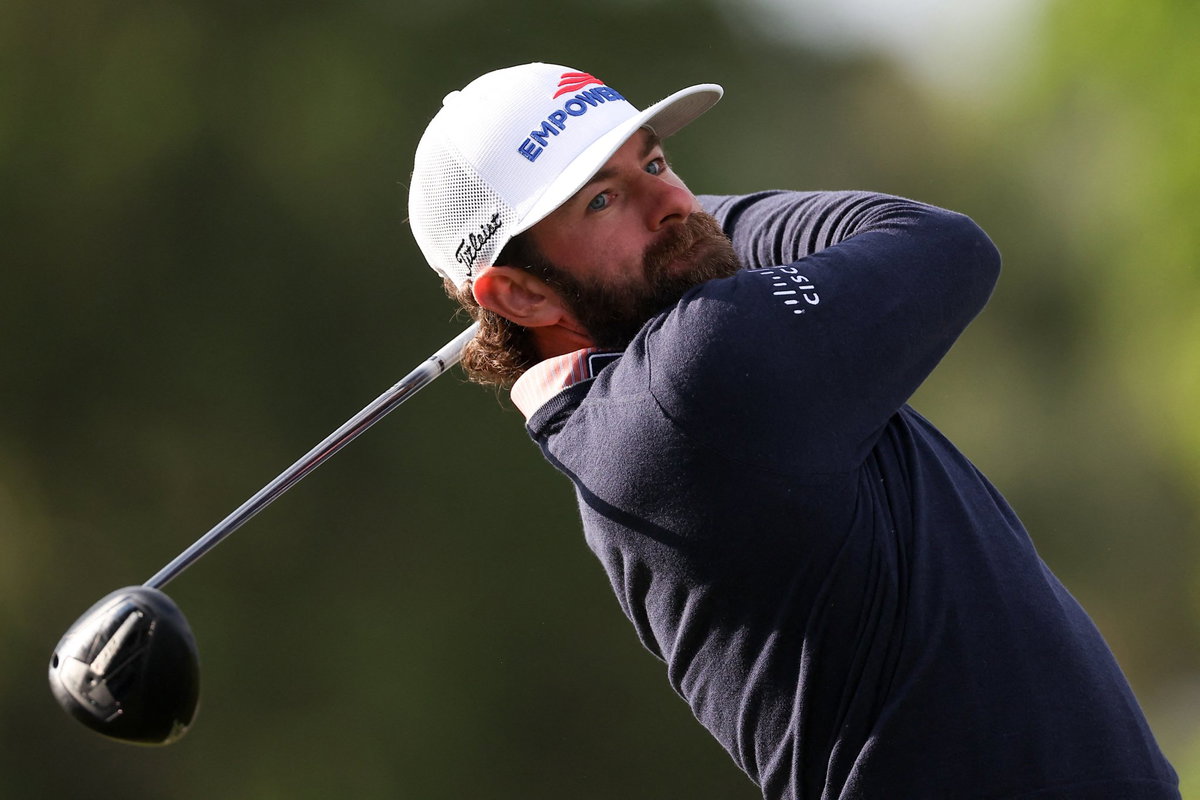


Masters legend blasts Tiger Woods over crash, calls PGA Tour 'weak'
In a recent media call, golf icon Nick Faldo did not hold back in voicing his displeasure with both Tiger Woods and the PGA Tour following Woods' DUI car crash. Faldo's criticism comes amid ongoing discussions regarding player conduct and the strength of the Tour's regulations, which he argues could use significant strengthening.
Key takeaways
- Nick Faldo criticized Tiger Woods for his recent DUI incident.
- Faldo expressed concerns about the PGA Tour's handling of player conduct.
- He called the Tour 'weak' in its approach to player discipline and personal responsibility.
- The comments highlight an ongoing debate about accountability within professional golf.
- Faldo's remarks reflect broader concerns about the image and integrity of the sport.
Context and background
The PGA Tour, established in 1929, has been home to some of the most legendary players in golf history, including Tiger Woods, who is often cited as one of the greatest golfers of all time. Woods' career has been marred by several controversies, including personal scandals and injuries that have affected his performance on the course. His most recent incident—being charged with DUI—has reignited discussions about player accountability and the role of the Tour in enforcing professional standards.
Historically, the PGA Tour has had a mixed record in handling player misconduct. While there are rules in place for discipline, the effectiveness and implementation of these rules have often been questioned. With Woods being a significant figure and a major draw for the tour, the scrutiny intensifies when his actions contradict the values expected from athletes at his level.
Faldo's strong stance against Woods and the Tour
In his sharp critique, Faldo did not shy away from addressing the implications of Woods' actions for the PGA Tour as a whole. He voiced that celebrity athletes carry a larger responsibility, stating that their actions could potentially undermine the sport's integrity. Faldo implored both Woods and the PGA Tour to take a hard look at how they approach issues of accountability and discipline.
The criticism from Faldo is poignant, especially given his storied history at the Masters, where he achieved three Green Jackets. His perspective as a past champion adds weight to his assertions, making it clear that the implications of Woods' behavior extend beyond personal failure—they affect the entire golfing community and how the sport is perceived globally.
Faldo's assertion that the PGA Tour is 'weak' in addressing misconduct raises questions about the effectiveness of the current policies in place. In an era where professional leagues are increasingly rigorous about enforcing their codes of conduct, the perception that golf is lagging behind can diminish its standing within the sports world.
In their own words
"When you have someone of Tiger's stature making these choices, it reflects poorly on all of us involved in the sport. The PGA Tour needs to address this with serious measures, not just acceptable reprimands."
— Nick Faldo
What this means for golfers
The ramifications of this incident are significant not just for Tiger Woods and the PGA Tour, but also for golfers at all levels. Recreational players may take cues from how professional athletes navigate their responsibilities and public image. The stakes are high in golf, where character and reputation are paramount.
Amateur golfers can learn from Woods' misstep about the importance of making sound choices—not just in terms of sportsmanship but regarding all aspects of their lives. Understanding the weight of your actions and the influence you wield can shape your character as a player, echoing the ethics of the sport on and off the course.
What's next
Looking ahead, this incident may catalyze changes in how the PGA Tour enforces its rules concerning player conduct. Fans and analysts alike will be keeping a close watch on any forthcoming policies or statements from the Tour regarding accountability, particularly in light of Faldo's outspoken criticism. Additionally, how Tiger Woods chooses to navigate this situation will undoubtedly be closely scrutinized as he works to restore his reputation.
Upcoming tournaments will serve as a litmus test for the reaction within the golfing community to both Faldo's comments and Woods' actions. As the narrative unfolds, the integrity of the sport and its representatives remain at the forefront of discussions about professional golf's future.