Intro
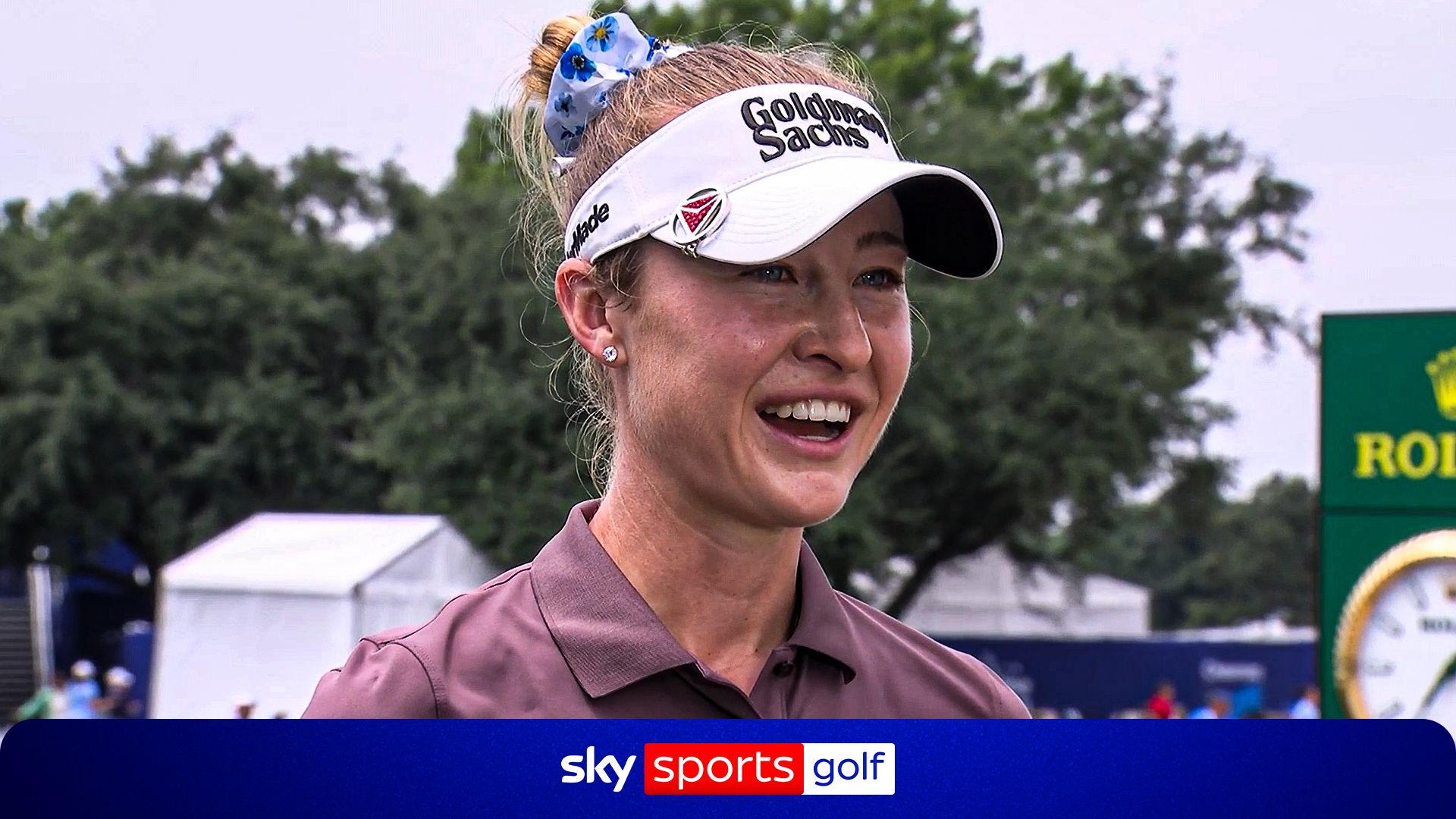
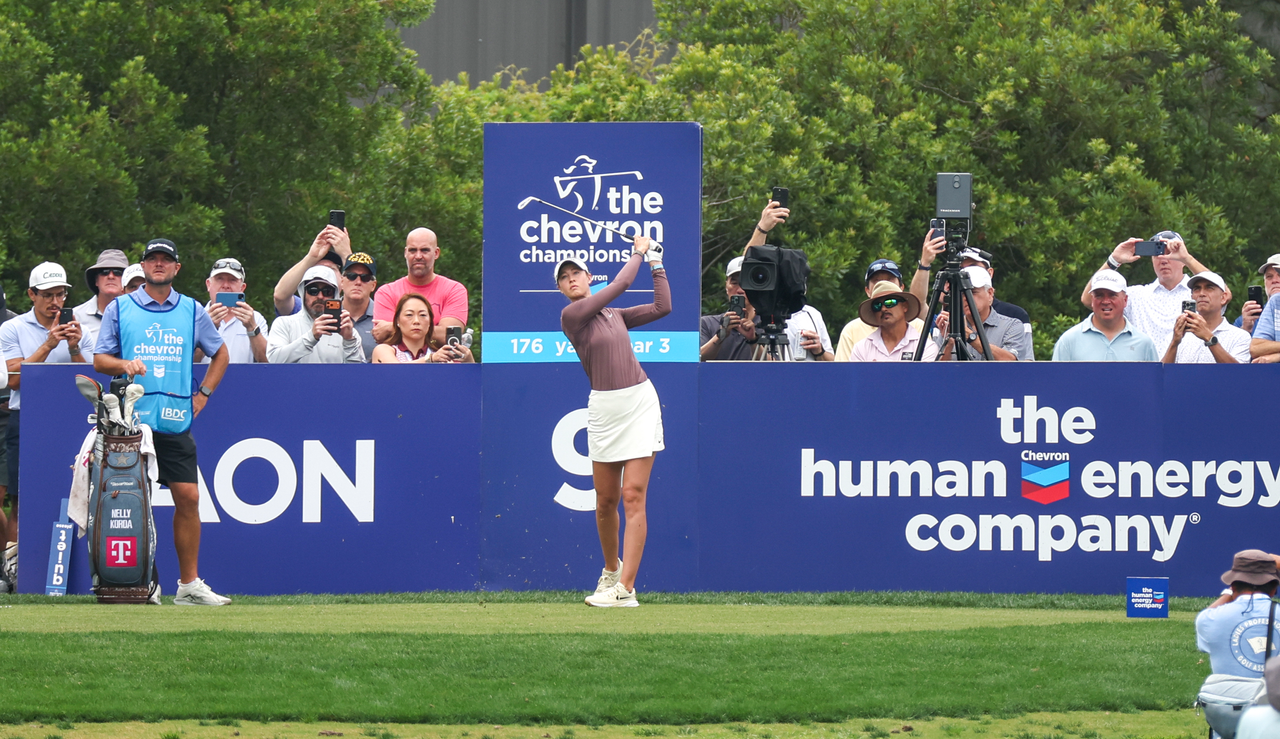
The 2026 Chevron Championship has unfolded with the unexpected twists of an engaging storyline, where top athletes have faced a challenging course that led to disappointing early exits. As Nelly Korda shines bright at the midway point of the tournament, a number of big names have notably missed the cut, raising eyebrows across the golf community.
Key takeaways
- Nelly Korda leads the field at the halfway stage of the Chevron Championship.
- Eight major players, including past champions, missed the cut in a surprising turn.
- The tournament marks the first major of the women's golf season for 2026.
- High-level play and challenging conditions have put pressure on many competitors.
- Fans eagerly await potential comebacks and strategies from those affected.
Context and background
The Chevron Championship, inaugurated in 1972, is one of the premier events on the women's golf calendar, representing the first major championship of the year. Traditionally regarded as a prestigious competition, it showcases the top talent in women's golf while often serving as a launching pad for upcoming stars. Over the years, players have battled through both fierce competitors and the course, which can often act as an equalizer, showcasing the skill and resolve required to excel at this level. For many, this tournament is a defining moment of the year, and an opportunity to reset their seasons.
Unexpected turn as favorites falter
This year, after two rounds of competition, the stage was set for an enthralling battle, especially with Nelly Korda's stellar form placing her in a favorable position. Dominating the field, Korda has shown exceptional skill—posting remarkable scores that underline her status as a top player. However, the loss of leading players who missed the cut brought an unexpected twist. Notable names such as Lexi Thompson, Anna Nordqvist, and Minjee Lee, each with significant achievements in previous seasons, found themselves failing to meet the standard set by the challenging course.
The course at the Chevron Championship is well known for its demanding layout and fast greens, requiring precision and consistency from tee to green. In this regard, the conditions were particularly unyielding this year, as wind gusts and tricky pin placements made even routine shots an adventure.
In golf, missing the cut can be a wake-up call for established players, with statistics indicating that returning from a mid-season slump often requires diligent strategy adjustment and renewed focus. As we step into the weekend, Korda could potentially capitalize on the absence of these competitors who typically command attention on the leaderboard.
In their own words
"It’s disappointing to miss the cut, especially during a major like this. I need to reflect and plan for the rest of the season."
— Lexi Thompson
"The conditions were tough, but I know I can bounce back from it. The right mindset is crucial from this point forward."
— Anna Nordqvist
"This is a learning experience for me; I need to adapt quickly and improve my game for future tournaments."
— Minjee Lee
What this means for golfers
For recreational golfers, the results of the Chevron Championship highlight the unpredictable nature of golf at all levels. Even the best players in the world can have off days, and understanding that every player must adapt to ever-changing conditions is a vital lesson. This tournament teaches us that persistence, adaptability, and ongoing learning are keys to improvement. Additionally, players should take note of what Nelly Korda is doing right—her concentration, course management, and commitment to her strategy have all contributed to her success. Practicing under various conditions and adjusting expectations can significantly improve one's performances on the course.
What’s next
Looking forward, the Chevron Championship promises a thrilling weekend with Korda at the helm. Fans can expect fierce competition from other players who have performed well thus far, and with a few surprises lurking in the remaining field, the next rounds are bound to be competitive. Additionally, the implications of the missed cuts may lead to adjustments in strategies for upcoming tournaments as players regroup and refocus their efforts for the remainder of the season, potentially leading to a more dynamic landscape in women’s golf going forward.