
Introduction
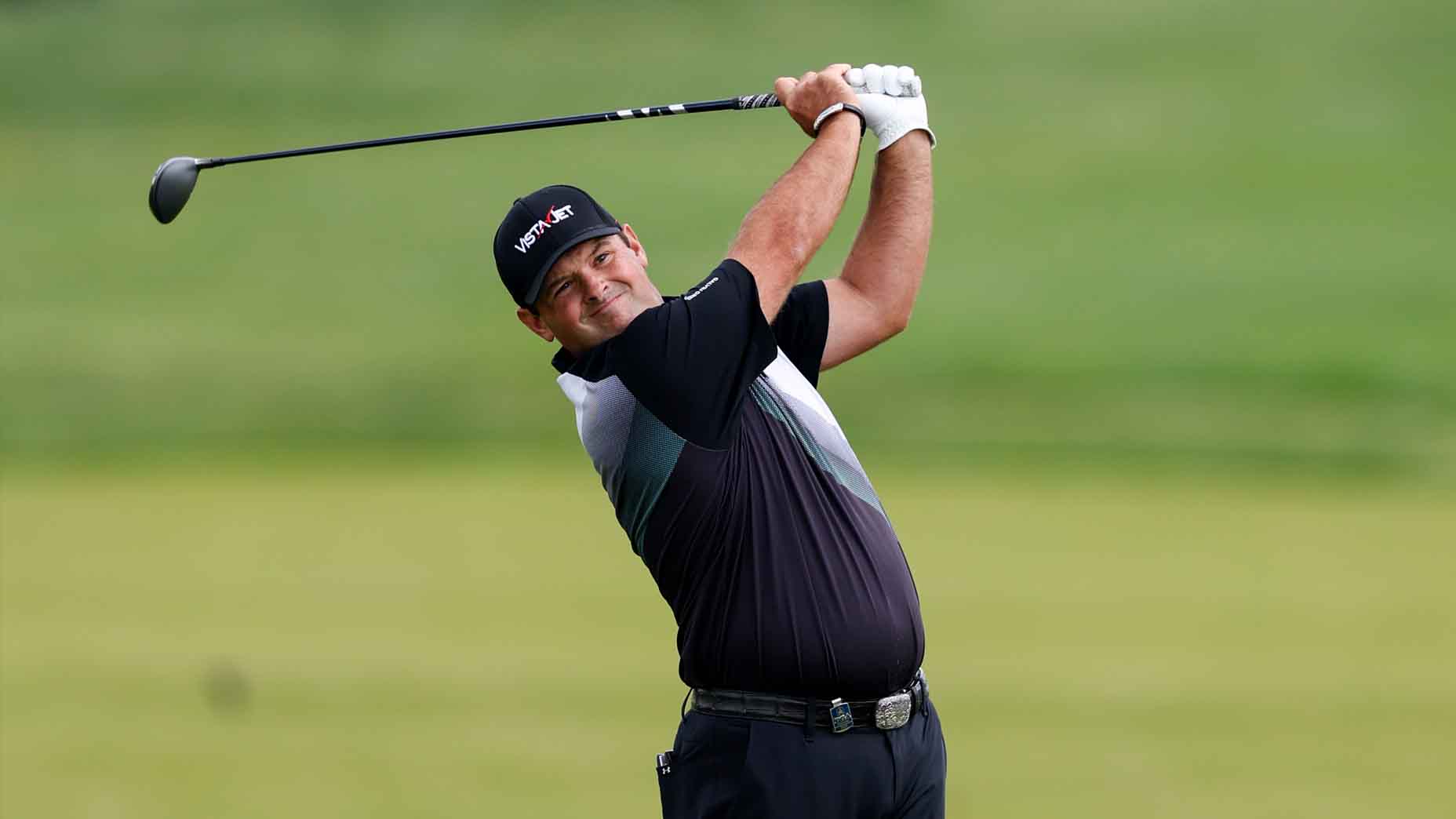
In a surprising turn of events, Patrick Reed is currently navigating an uncharted territory within professional golf due to the recent financial upheaval surrounding LIV Golf. After the Public Investment Fund (PIF) of Saudi Arabia withdrew its financial backing, Reed remains committed to his controversial decision to leave the PGA Tour, despite the growing uncertainties that loom over LIV Golf’s future. His perspective offers a glimpse into the evolving dynamics that could profoundly affect other players and the broader landscape of the sport.
Key takeaways
- Patrick Reed was caught off guard by the PIF's decision to withdraw funding from LIV Golf.
- Despite uncertainty, Reed insists that fear did not play a role in his decision to join LIV.
- The shifting landscape of professional golf has significant implications for both the LIV and PGA tours.
- Reed's sentiments echo the broader concerns among LIV Golf participants regarding the league's sustainability.
- The PGA Tour faces increased pressure as competition intensifies from LIV Golf.
Context and background
LIV Golf emerged as a significant contender in the professional golf arena, buoyed by substantial financial investments from Saudi Arabia's Public Investment Fund. This endeavor sought to disrupt the traditional structures of the sport by offering lucrative contracts to elite players, thereby attracting attention and stirring controversy. Recently however, the news of PIF's funding withdrawal created waves of uncertainty in the golf community. Players, including Reed, are now left grappling not just with their personal career trajectories but also with the viability of this new league as a lasting entity in professional golf.
Prior to this tumultuous financial shift, LIV Golf had gained traction among top players by permitting them to compete in fewer events than the PGA Tour while receiving generous compensation. The traditional professional golf landscape, historically dominated by the PGA Tour, has been viscerally disrupted, leading to heightened scrutiny of individual decisions made by players to affiliate with competing leagues. As uncertainty looms, many find themselves reflecting on their choices amidst a rapidly shifting sport.
Patrick Reed's response to an evolving game
Known for his fierce competitiveness and tenacity, Patrick Reed is no stranger to pressure when it comes to his career decisions. Following the startling announcement about the PIF's withdrawal of funding, Reed expressed his astonishment but maintained a steadfast commitment to LIV Golf.
His words reflect a sense of resolve amid enormous uncertainty."This is a unique situation, and certainly not one I expected when I made my decision to join LIV Golf. However, I still stand by my choice."
— Patrick Reed
Critics have voiced concerns regarding the long-term sustainability of competing tours, especially in light of this financial upheaval. Reed, however, argues that his decision to transition to LIV Golf was driven by motivations beyond mere financial incentives.
His emphasis on personal growth and maximizing potential is indicative of the mindset that many players will need to adopt in Hollywood Golf's current landscape, where uncertainty reigns."It was more about the opportunity and what I felt was best for me and my career."
— Patrick Reed
In this critical moment, Reed and his fellow players must maneuver through more than just personal contracts; they face an ever-evolving competitive structure in professional golf. LIV Golf, still in its foundational stage, presents both challenges and unique opportunities, promising to reshape the future of the sport.
What this means for golfers
For recreational golfers, the ongoing changes within the professional circuits bring valuable lessons. The fluctuations in player contracts and sponsorships highlight the necessity for savvy understanding of market dynamics. Golfers across all levels should stay adaptable—whether it affects equipment choices or their professional positioning—because the direction of the sport is undeniably fluid.
Moreover, this shift illuminates the importance of versatility. With both LIV Golf and the PGA Tour jostling for market share, players will need to strategically align their decisions with long-term aspirations and goals. Observing these competitive maneuvers will offer keen insights and strategies that amateur golfers may apply to their own pursuits within the game of golf.
What's next
Looking ahead, the upcoming months will be pivotal for both LIV Golf and the PGA Tour. Players must carefully analyze their commitments, as the landscape for professional opportunities may fluctuate dramatically. Anticipated events, new tournament announcements, and player movements will collectively shape the future of golf.
Fans and analysts alike will keenly observe how decision-makers within LIV Golf react to these financial pressures, testing the mettle of their conditions and their players. For individuals such as Reed, the forthcoming tournaments serve as not only a platform to showcase their prowess within LIV Golf but also as a crucial junction for redefining their careers amidst shifting industry dynamics. The future of professional golf is in a state of flux, and the forthcoming months will undoubtedly shed more light on how these new realities will unfold.

/https%3A%2F%2Fcdn.pijper.io%2F2026%2F06%2FRkUgIHk3UBT3tw1781080975.jpg)