

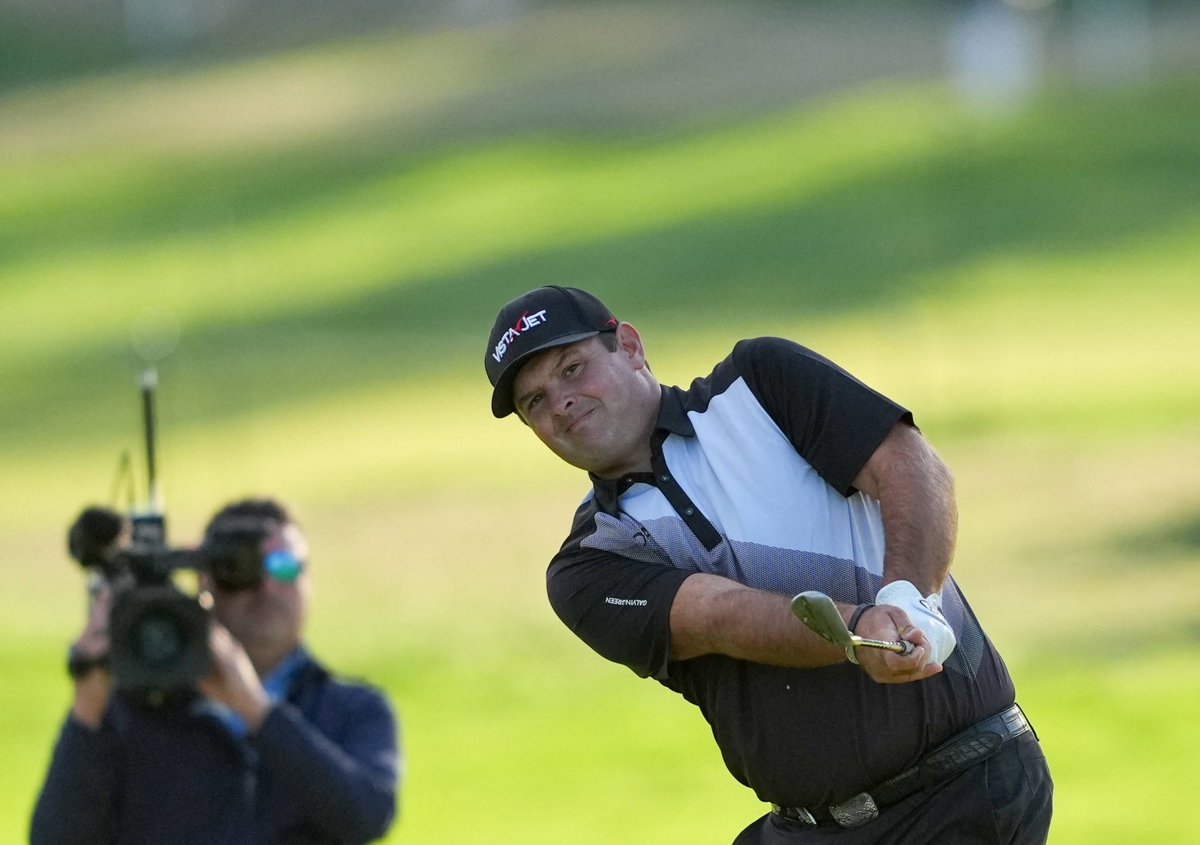
Introduction
As the 2026 PGA Championship unfolds, Patrick Reed has found himself navigating more than just the challenging course at Valhalla Golf Club. The star golfer voiced his shock regarding the financial uncertainties surrounding LIV Golf, the controversial organization that has transformed professional golf. His candid comments have sparked significant interest and debate amongst fans and analysts alike.
Key takeaways
- Patrick Reed expressed astonishment at LIV Golf’s financial issues.
- This news broke during his impressive start at the 2026 PGA Championship.
- Reed remains focused on his game despite the off-course concerns.
- LIV Golf has faced scrutiny since its inception, affecting player contracts and future events.
- The implications of these funding issues could reshape professional golf.
Context and background
LIV Golf emerged in 2022 as a rival entity to the PGA Tour, attracting top talent with lucrative offers and enhancing prize pools. The venture drew mixed reactions from the golf community, often positioned against tradition and stability represented by the PGA Tour. Lessons from other sports suggested the potential risks associated with a massive influx of cash raising questions about long-term sustainability.
While players like Reed departed to compete in the new league, signaling the financial might of LIV, recent news indicates that funding challenges loom. Reports have suggested these difficulties may arise from various factors including market conditions and investor hesitance as the sports world evolves. This turbulence has led to uncertainty about player commitments, schedules, and the brand’s future, making Reed's comments especially significant.
Caught off guard: Patrick Reed's reaction
With the PGA Championship drawing global attention, Reed’s performances on the course have been impressive, marking the first two rounds where he exhibited finesse and control. However, it was his remarks regarding LIV Golf's turmoil that took center stage during his media availability. He stated, “I was utterly surprised to hear this news. I had no idea we were facing funding issues.” This revelation has resonated with fans, suggesting both a personal stake in LIV's future and an unexpected vulnerability for the league.
Analyzing the situation, Reed's reaction reflects more than a personal shock; it suggests an unsettling environment for all LIV-affiliated players as they pursue their careers. With Reed currently ranked in the world's top 30, his endorsement and support are critical for LIV Golf, but questions linger about loyalty and stability as financial strains come to light.
Statistically, Reed's performance has often been defined by inconsistency, but his success at the PGA Championship remains notable. He previously secured the title of 2018 Masters Champion and has been known for his tenacity on the course. This juxtaposition reveals the underlying pressures of competition versus the troubling state of his professional affiliations.
In their own words
"I was utterly surprised to hear this news. I had no idea we were facing funding issues."
— Patrick Reed
What this means for golfers
For recreational golfers and fans alike, Reed’s disclosure regarding the funding issues within LIV Golf may serve as a cautionary tale for the reliance on big money in sports. While the promise of high earnings can be enticing, the instability it can introduce also must be considered seriously. Golfers aspiring to play at the highest levels might focus on developing skills and consistency alongside business acumen to ultimately navigate evolving professional landscapes.
Moreover, new products and equipment that cater to the rapidly changing nature of golf could also see a rise in popularity as players look to maximize performance. With sponsorship deals and contracts in flux, understanding the economic environment becomes essential for both players and fans.
What's next
Looking towards the future, the implications of LIV Golf's funding challenges could send ripples through the professional golf ecosystem. As events develop, the PGA Tour remains vigilant, watching closely as players navigate their increasingly complicated choices. Upcoming tournaments will likely feature heightened scrutiny, especially as LIV Golf grapples with its finances while trying to maintain relevance.
Additionally, the longstanding rivalry with the PGA Tour continues to shape discussions around the sport, drawing attention to how issues of governance, loyalty, and financial security will redefine professional golf in the coming years. As players like Reed confront these realities both on and off the course, the landscape of golf as a whole is poised for significant changes. Fans and aspiring golfers alike should stay tuned as the drama unfolds, keeping an eye on how future events will impact the very fabric of competitive golf.


/https%3A%2F%2Fcdn.pijper.io%2F2026%2F06%2FRkUgIHk3UBT3tw1781080975.jpg)