Introduction
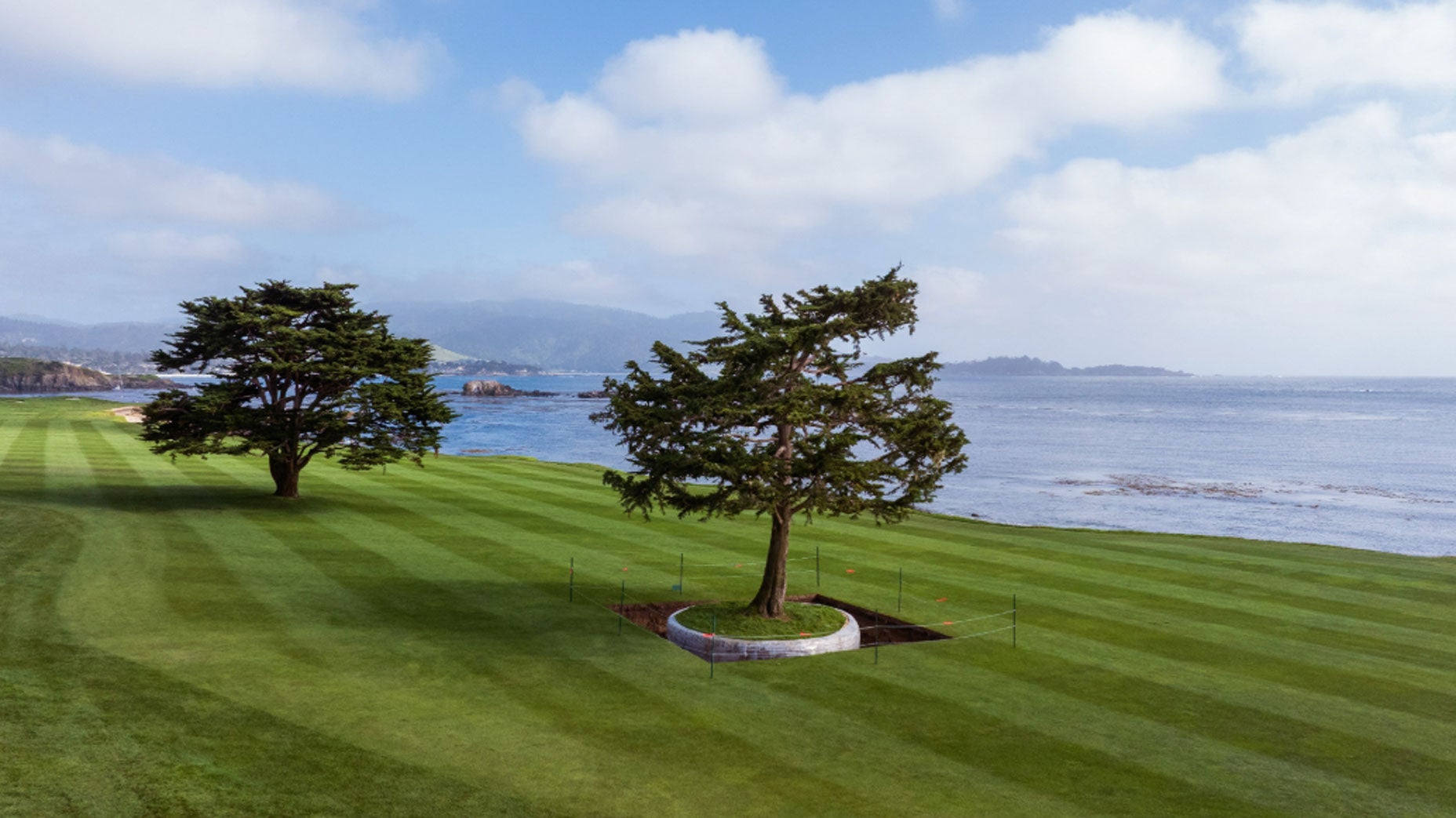
The iconic Pebble Beach Golf Links has made headlines once again, this time with the replanting of a cypress tree on the legendary 18th fairway. Originally lost to a winter storm in 2014, the return of this signature feature promises to enhance both the aesthetics and challenge of one of golf's most celebrated holes.
Key takeaways
- Pebble Beach Golf Links replanted a second cypress tree on the 18th hole, restoring its traditional character.
- The first cypress tree was lost in a winter storm in 2014, contributing to the hole's altered landscape.
- This restoration reflects Pebble Beach’s commitment to maintaining its storied heritage and iconic design.
- The 18th hole at Pebble Beach is often regarded as one of the most photographed golf holes in the world.
- The cypress trees are integral to the hole's challenge, influencing shot strategy for amateur and professional golfers alike.
Context and background
Pebble Beach Golf Links, located along California's scenic Monterrey Peninsula, is home to one of golf's most revered courses. Its 18th hole, often showcased in tournaments including the U.S. Open, features a dramatically sloped fairway that runs down to the Pacific Ocean. The cypress trees that dot the coastline and encroach on play are a signature part of its landscape and design. However, in 2014, a powerful winter storm claimed one of these iconic cypress trees, sparking concerns about the visual and strategic integrity of the hole.
The significance of the cypress tree extends beyond mere aesthetics; it plays a crucial role in the gameplay as well. Golfers attempting to navigate the final hole must factor in the placement of these trees, using them to gauge their approach to the green. The restoration of the second cypress tree on the 18th fairway marks a crucial step in preserving the character of this storied hole.
The return of a classic feature
With the replanted cypress tree now standing proud on the 18th fairway, both players and fans can once again appreciate the visual beauty that once defined this legendary hole. The restoration was undertaken not just as an aesthetic choice, but as an homage to the historical integrity of Pebble Beach. It was aimed to enhance the experience for both players and spectators who flock to the course.
The cypress tree is one of the most memorable features for golfer memories, often noted for its captivating aesthetic against the backdrop of the Pacific Ocean. The placement of this particular tree adds an element of strategy, compelling players to consider their shots carefully as they approach the green. Professional golfers, such as those on the PGA Tour, understand that such strategic elements can significantly affect the outcome of games, especially in competitive settings like the U.S. Open, where small decisions can lead to major consequences.
Maintaining the storied tradition of Pebble Beach is critical not only for nostalgia but for continued tourism and golf culture. Much of the appeal of Pebble Beach lies in its rich history, dating back to its opening in 1919. The course has hosted numerous prestigious tournaments, including the U.S. Open six times. Each of these tournaments has contributed to the legacy of Pebble Beach, making the preservation of its features even more important.
In their own words
"The replanted cypress tree is a testament to our commitment to preserving the tradition of Pebble Beach. It is not just about aesthetics; it’s about maintaining the challenge and character that make our course one of the best in the world."
— Course Superintendent
"As a player, you never forget the thrill of approaching the 18th at Pebble Beach. The trees are part of that challenge, part of what makes it special. Their absence was felt, and it’s wonderful to see one of them back in place."
— Professional Golfer
What this means for golfers
The restoration of the cypress tree on the 18th hole has meaningful implications for both amateur and professional golfers alike. When playing this iconic hole, golfers can expect another element to navigate as they strategize their approach. For recreational golfers visiting Pebble Beach, this serves as a reminder of the importance of course conditions and how natural elements contribute to the character of a round of golf.
As part of embracing the spirit of the game, golfers can learn a lot from the strategic complexities that Pebble Beach offers. The interplay between natural features and gameplay is essential to understanding how to approach golf as not merely a sport but as a blend of strategy and artistry.
What's next
As Pebble Beach moves forward, golfers can look ahead to upcoming events that will feature the revered course once again, including more U.S. Open qualifiers and other prestigious tournaments. With the cypress tree restoration setting a strong precedent for ongoing course improvements, it opens the door for potential future enhancements that honor the historical landscape while ensuring that the course remains a top-tier golfing destination.
Additionally, golf enthusiasts should keep an eye on how the restoration impacts gameplay strategies both on the course and during televised tournaments. The return of the cypress tree not only revitalizes the aesthetics of the hole but also reconnects players with its storied heritage, making it a nostalgic experience for many who will play there in the seasons to come.