Exploring a new chapter in golf
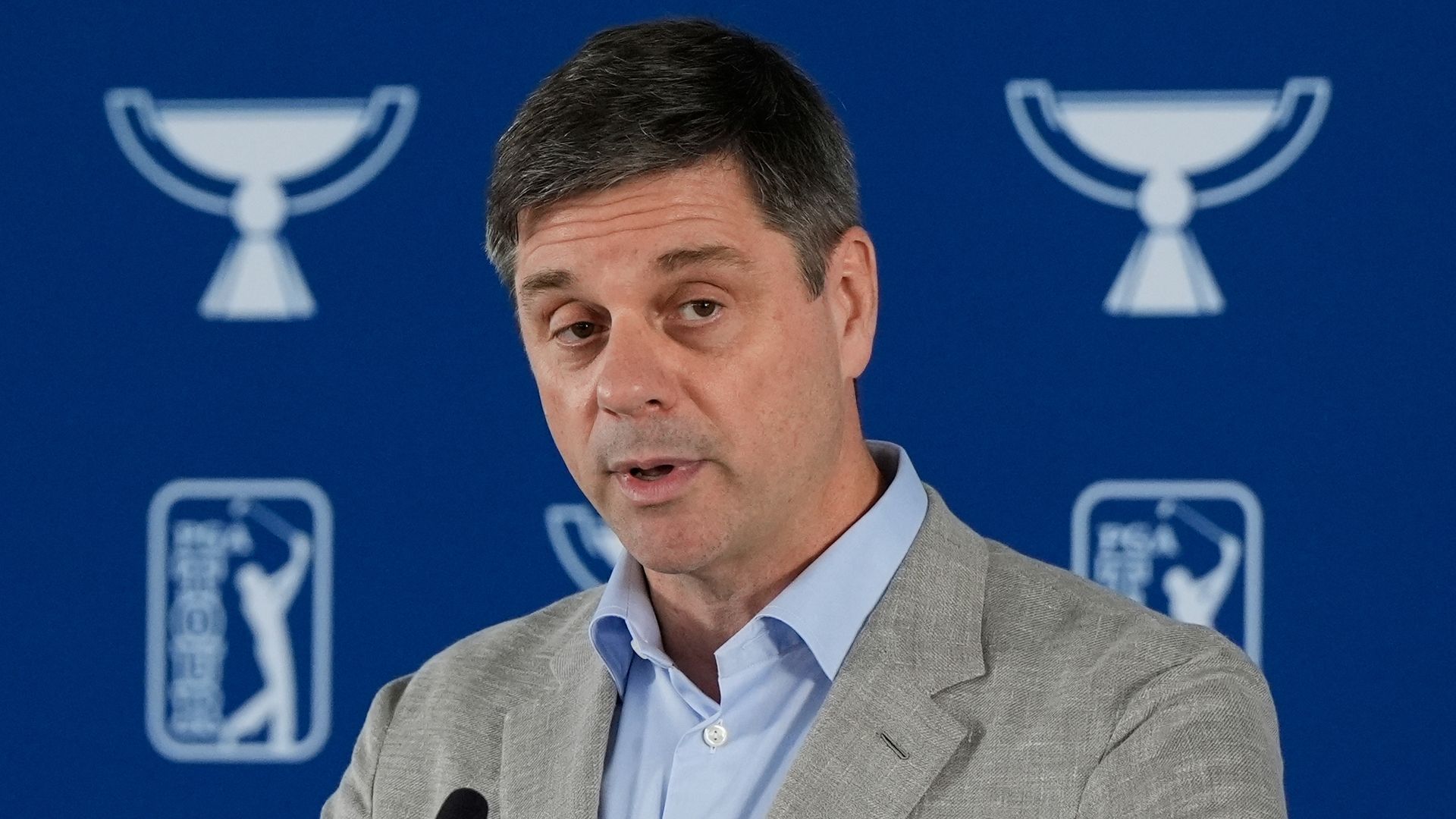
The world of golf stands at a potential crossroads as PGA Tour CEO Brian Rolapp recently expressed interest in developing pathways for LIV Golf players to return to the prestigious PGA Tour. This revelation comes as the breakaway LIV Golf league continues to navigate through turbulent waters and speculation regarding its long-term viability. As discussions evolve, both players and fans are left pondering what these changes could mean for the future of professional golf.
Key takeaways
- Brian Rolapp indicates a willingness to create pathways for LIV Golf players to rejoin the PGA Tour.
- The PGA Tour is adapting to the challenges posed by the emergence of the LIV Golf league.
- Continued speculation surrounds the future of LIV Golf amidst its financial struggles.
- This development could signify a shift in the approach towards rival tours, as the PGA seeks to maintain its supremacy.
- The landscape of professional golf is changing, influencing both players' careers and fans' experiences.
Context and background
Since its inception, LIV Golf has stirred controversy and debate within the golfing community. Launched in 2021 with substantial financial backing, it aimed to attract top talent with lucrative contracts and a restructured competitive format. The league’s rapid ascendance drew some of the most renowned players away from the PGA Tour, leading to a schism that raised questions of loyalty, competition, and the future of traditional golf.
The PGA Tour, with its deep-rooted history dating back to the 1920s, has historically upheld its competitive integrity, yet the emergence of LIV Golf prompted an introspection into its business model. By April 2023, reports indicated that the LIV Golf series had secured exclusive media rights deals and had expanded its tournament offerings, further complicating the landscape. Additionally, it was noted that LIV Golf’s future faced uncertainties due to fluctuating financial support and competitive interest.
PGA's potential reconciliation with LIV Golf players
The potential pathways for reinstating LIV golfers into the PGA Tour mark a significant shift in position. Historically, the PGA has been staunch in its defense of maintaining exclusivity among its players. However, Rolapp's comments reveal a growing acknowledgment of a need for procedural flexibility to navigate this evolving situation.
Such pathways could involve leniencies in eligibility rules, potentially allowing former PGA players who chose to move to LIV Golf an opportunity for reinstatement under a re-evaluation process. This could be ignited by interest in shortening the ban period or introducing a request mechanism to appeal for re-entry based on loyalty to the tour or previous accomplishments.
As part of their strategy, the PGA might also consider adopting a more competitive framework that enhances its appeal. An infusion of innovation into the golf calendar, including player-integrated tournaments or expanded partnerships with technology, could occupy the spotlight in making a case as the premier destination for golf aspirations.
While details remain sparse, this approach reflects a desperate yet rational assessment of the PGA Tour’s current standing. With sports fans increasingly accustomed to diversified viewing experiences, the PGA Tour’s openness to adapt could be key in retaining and attracting talent.
In their own words
"We must consider all avenues to protect the integrity of the PGA Tour, but we also cannot ignore the changing landscape of professional golf. Discussions about reinstating players from LIV Golf show that we are willing to explore paths that prioritize the sport's growth."
— Brian Rolapp
What this means for golfers
For recreational golfers, these developments could signal a profound transformation in how professional golf is structured. While not every player will be vying to return to the PGA, there is a valuable lesson in adaptability. The potential reinstatement of LIV golfers showcases an openness to change, offering insights into how successful adaptation can foster a more inclusive sporting environment.
Furthermore, this conversation invites amateur players to stay informed about the evolving dynamics within professional circuits. The potential rise of new opportunities could stimulate a broader community legacy when players from all backgrounds can play on platforms based on merit, rather than being sidelined by financial or administrative decisions.
What's next
As we look ahead, golf fans should expect meaningful discussions and perhaps concrete proposals regarding pathways for LIV golfers. Upcoming PGA events may see implications of these discussions as they unfold, with high-profile matches becoming arenas for deeper probing into these issues.
Moreover, the golf community is poised for an exciting period. With significant tournaments on the horizon and annual reviews taking place, players, sponsors, and fans alike will closely follow how these changes influence player dynamics. The upcoming season could redefine how the PGA Tour engages with its players and how individual golfers perceive their journeys within the sport.
As with any transformative period in sports, the road ahead may be rugged but pregnant with potential, opening doors to unforeseen associations and collaborations in professional golf.