Introduction
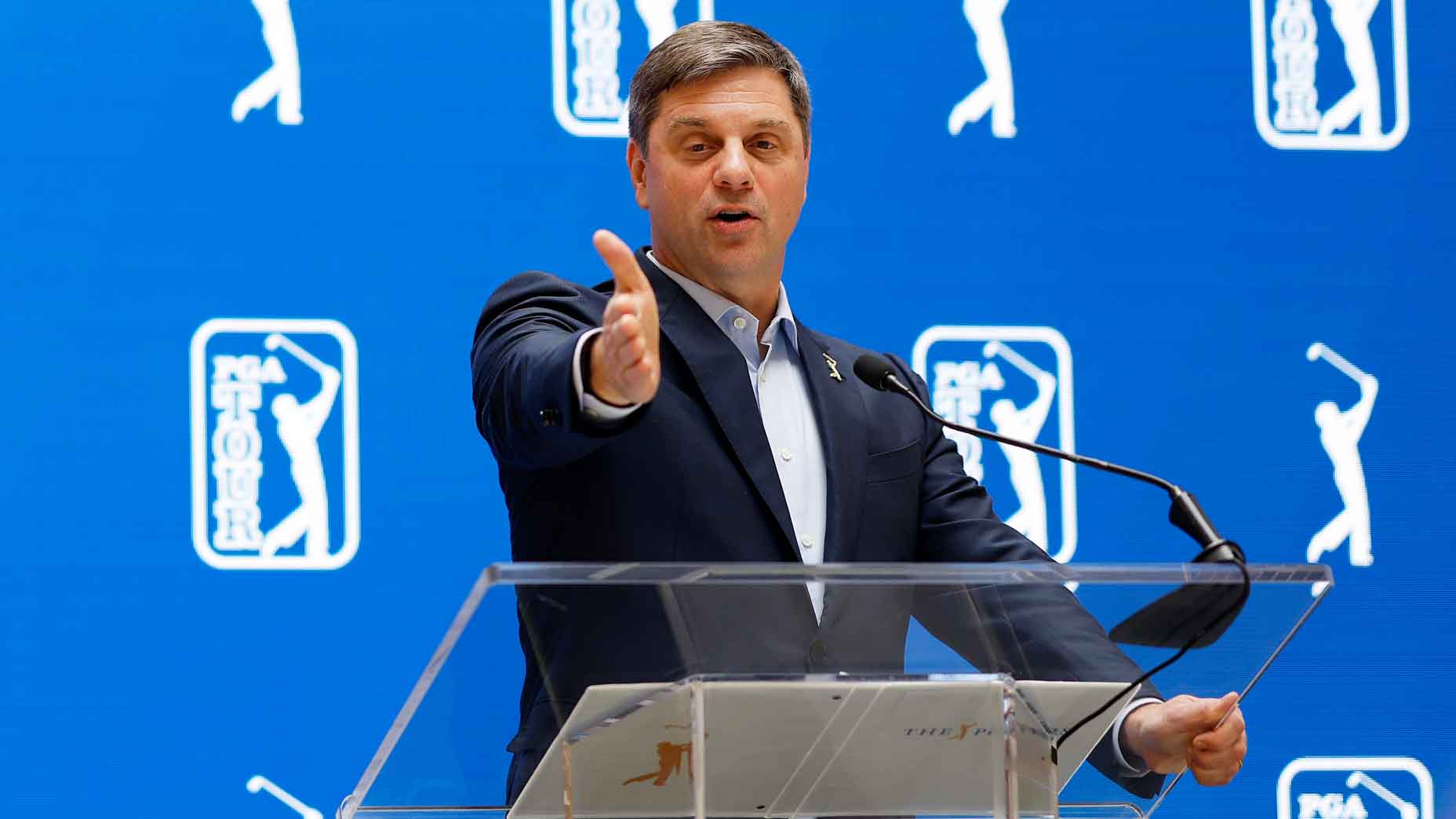
The simmering tensions between the PGA Tour and LIV Golf continue to cast shadows over the future of professional golf. As uncertainties loom about LIV Golf's viability, PGA Tour CEO Brian Rolapp finds himself facing pressing questions concerning players who may want to return to the established tour. Despite the rumors and speculation, Rolapp has yet to provide concrete answers, as the situation remains fluid and intricate.
Key takeaways
- The future of LIV Golf remains unclear as challenges mount.
- PGA Tour CEO Brian Rolapp has not confirmed policies regarding returning players.
- PGA Tour continues to navigate its direction amid competitive pressures.
- Player sentiments vary, with some expressing interest in a return while others remain committed to LIV.
- The landscape of professional golf is evolving, prompting broader implications for tournaments and player affiliations.
Context and background
The establishment of LIV Golf marked a significant disruption in the world of professional golf, challenging the dominance of the PGA Tour. Launched in 2022, LIV Golf attracted a host of marquee players with its lucrative contracts and an unconventional format. However, the initial momentum has been clouded by criticism, legal battles, and a lack of traditional tournament structures.
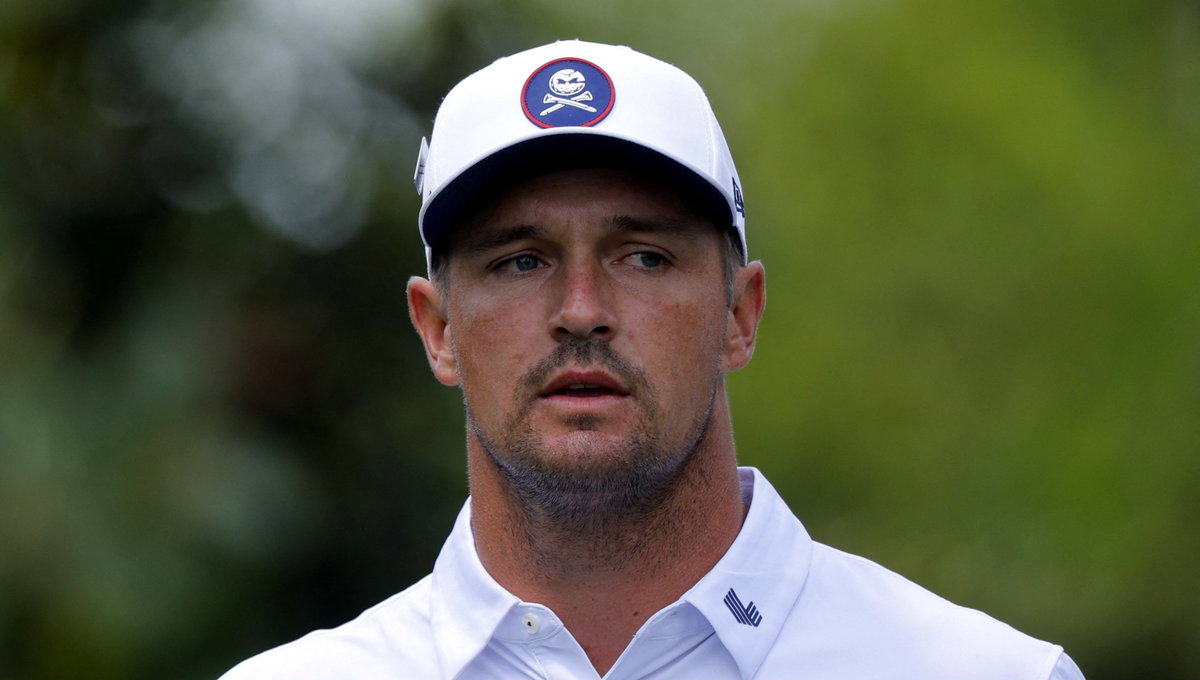
Data indicates that LIV Golf's roster featured players such as Phil Mickelson, Brooks Koepka, and Bryson DeChambeau, drawing attention and, at times, ire from the established PGA Tour community. With the PGA Tour traditionally offering the most recognized circuit for professional golfers, the emergence of LIV has led to a significant divide in professional golf.
As the sport evolves, professional golfers are increasingly confronted with choices that reflect their career priorities, financial goals, and brand affiliations. The fallout from LIV Golf's formation has prompted sustained debates about loyalty, competition and the future of golf at large.
PGA Tour's precarious position amid LIV's evolution
Brian Rolapp's administration is currently tasked with navigating uncharted waters. While some players have made headlines by switching allegiances to LIV Golf, thoughts of returning to the PGA Tour remain a topic of conversation. However, Rolapp's hesitance to provide clear guidance indicates the delicate balancing act he must perform.
In terms of numbers, the PGA Tour has consistently boasted a majority of top-ranked players as per the Official World Golf Ranking (OWGR). However, with LIV Golf offering players significant financial incentives, some have questioned whether traditional rewards for performance will hold their appeal over time.
Moreover, following the initial shockwaves of LIV Golf's formation, many players who left for the new venture have expressed mixed feelings. Some enjoy the freedom and lucrative contracts, while others miss the traditional competition and camaraderie that the PGA Tour cultivated over decades.
As LIV Golf teeters on the brink of uncertainty, the ramifications reach far beyond financial implications. The influx of new voices, regulations, and potential partnerships could reshape not only the competitive landscape but also how professional golf is marketed to enthusiasts and fans.
In their own words
"It’s tough for players who are weighing the pros and cons right now. There are benefits to both sides, and it’s all on what you prioritize as a player."
— Player from PGA Tour
"I loved my time on the PGA Tour, but the opportunities presented by LIV were too good to pass up. However, would I return if asked? That’s something I have to think about."
— A former PGA Tour standout
What this means for golfers
The ongoing uncertainty surrounding LIV Golf's future poses significant strategic dilemmas for professional golfers. For recreational golfers, this drama may offer valuable lessons in the importance of adaptability and understanding market dynamics in sports. Golfers should focus on keeping an awareness of how tour affiliations can impact their favorite players and the sport as a whole.
Equipment-wise, golfers should pay attention to manufacturer partnerships with either tour, as brands may lean more heavily on players representing either organization. Furthermore, impulsive decisions driven by emotional affiliations should be approached with caution—both in purchasing and in aligning with players. The landscape is shifting, and some long-time supporters may find themselves reassessing allegiances based on current events.
What’s next
Looking ahead, the global golf community is abuzz with anticipation as critical milestones approach. As LIV Golf navigates potential restructuring or partnership opportunities, the response from the PGA Tour will be crucial in determining how the two entities coexist. Major tournaments and player participation metrics will be closely evaluated in the coming months, as fans and players alike contemplate the evolving nature of competitive golf.
In conclusion, the situation remains dynamic, and discussions among golfers will shape the future trajectory of professional golf. As new developments arise, the overarching theme remains: proactive engagement and strategic decision-making will become increasingly paramount as the landscape of golf continues to transform.