
Intro paragraph
In an effort to address the issue of slow play, the PGA Tour is conducting an experiment on its feeder league, the Korn Ferry Tour. This innovative project is shedding light on both the fastest and slowest pros, revealing how pace of play can impact tournament dynamics and audience engagement.
Key takeaways
- The PGA Tour is examining pace of play on the Korn Ferry Tour to identify slow and fast players.
- This initiative aims to improve the overall efficiency of rounds and enhance fan experiences.
- The study provides crucial insights that could influence policies on the PGA Tour.
- Player compliance and responses to pace of play guidelines are being closely monitored.
- Slow play remains a contentious issue in professional golf, prompting this proactive approach.
Context and background
The pace of play has long been a topic of discussion within golf, drawing attention from both players and fans alike. Research from various golf organizations has consistently highlighted slow play as one of the most significant complaints from spectators at tournaments. In 2018, a survey indicated that nearly 60% of recreational golfers viewed slow play as a major issue that detracted from their enjoyment of the game.
The Korn Ferry Tour serves as a proving ground for emerging talent aiming to make their mark on the PGA Tour. With athletes striving to secure a spot on the prestigious main tour, the examination of their play speed presents an excellent opportunity for evaluation. By closely observing pace of play trends on this secondary circuit, the PGA Tour aims to implement effective strategies that can be mirrored at higher levels of competition.
Examining the results of the Korn Ferry pace of play initiative
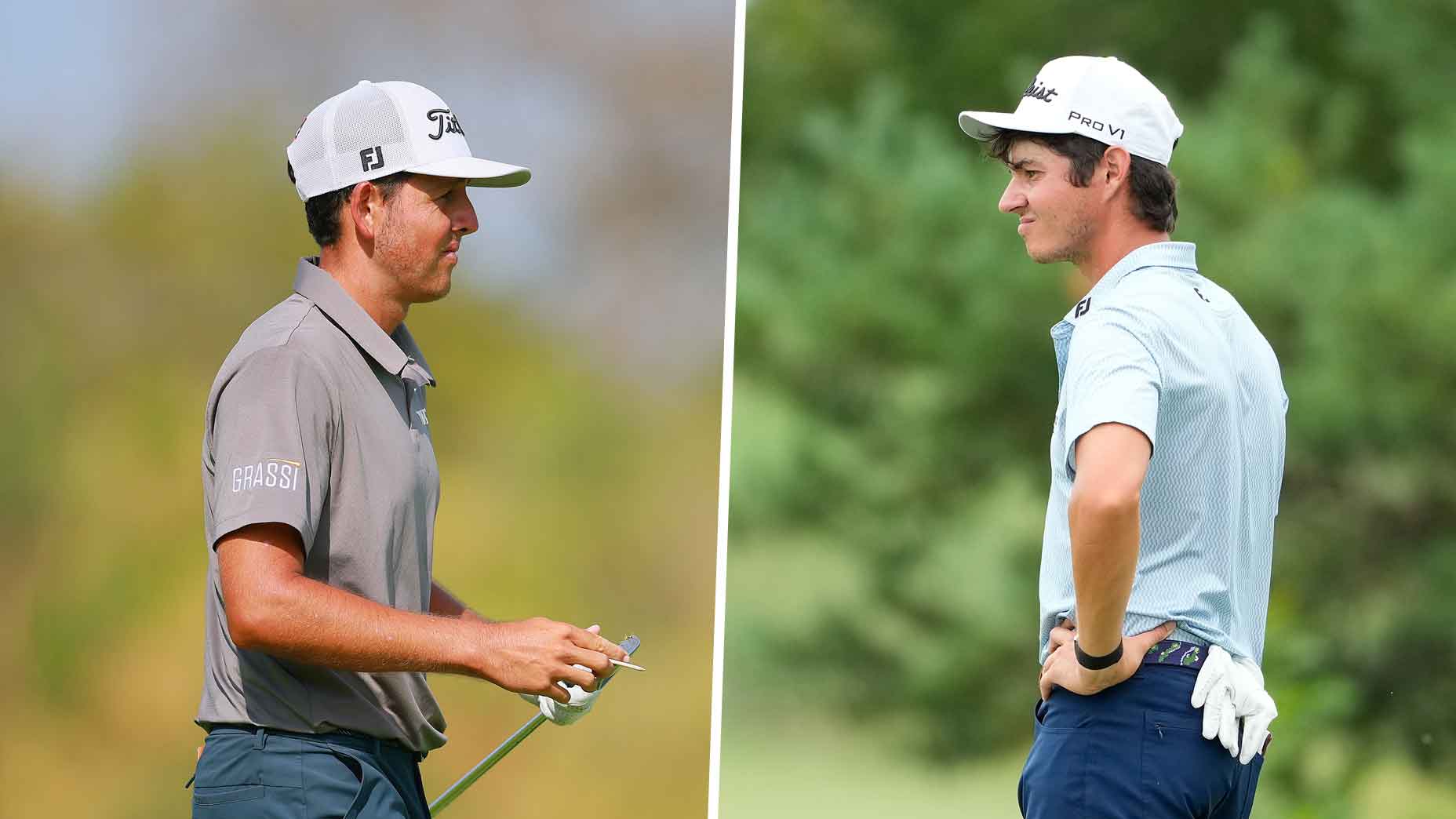
The ongoing pace of play experiment on the Korn Ferry Tour involves monitoring the time it takes players to complete a round of golf, as well as individual hole times. Through this scrutiny, officials are discerning the fastest and slowest players, which could potentially lead to new regulations impacting how tournaments are run.
Among the key findings so far, top-tier fast players are completing rounds in just under four hours at a significantly higher rate compared to their slower counterparts, who may take over four and a half hours to finish. This discrepancy creates not only an administrative burden but can affect overall audience engagement, as fans often lose interest if the pace drags on.
Additionally, the Korn Ferry Tour provides a unique stage where younger players can compete under the watchful eye of the PGA, making this experiment all the more important. Analysts suggest that players identified as slow might benefit from specific coaching sessions designed to enhance their efficiency on the course.
Furthermore, as part of the experiment, players will be subjected to additional scrutiny regarding their adherence to recommended pace of play guidelines. Infractions may lead to penalties—a strategy aimed at incentivizing faster play and ultimately improving the tournament experience for spectators and participants alike.
In their own words
"I understand the need for a faster pace, but it’s challenging when you’re focused on the game. The goal is to play our best and keep the rhythm going, but there are so many variables at play."
— Korn Ferry Tour Player
"This initiative is crucial for our sport. If we can learn how to play faster without sacrificing performance, it can only benefit everyone involved."
— Korn Ferry Tour Official
What this means for golfers
This pace of play experiment holds significant implications for golfers at all levels. Recreational golfers often face similar pace of play challenges at their local courses, where busy days can lead to frustration and slow rounds. By observing the Korn Ferry Tour's approach, amateur golfers can glean insights on how to maintain a swift game, such as preparing for upcoming shots in advance and utilizing practice swings efficiently.
Equipment choices also play a role in pace of play. Familiarity with one’s equipment, whether it's a driver, putter, or even clothing that allows for ease of movement, can expedite one’s game. Additionally, players can learn from professional techniques that prioritize quick decision-making and minimize hesitancy on the course.
What's next
Moving forward, the PGA Tour plans to parse through data collected during the Korn Ferry Tour's pace of play initiative and subsequently use those findings to establish comprehensive guidelines or reforms that could be rolled out across the PGA Tour itself. Upcoming events that will be analyzed include key Korn Ferry tournaments leading into the PGA Tour postseason, where lessons learned could provide a template for professional golf moving forward.
As this dynamic experimentation unfolds, both fans and players are encouraged to follow closely and adapt accordingly. A more engaging, efficient pace not only enhances the professional experience but elevates the game as a whole, fostering a more vibrant golf culture.

/https%3A%2F%2Fcdn.pijper.io%2F2026%2F06%2FRkUgIHk3UBT3tw1781080975.jpg)