

Context and background
In the world of professional golf, adherence to the rules is paramount—blurring those lines can lead to consequences both on and off the course. Recent changes in the rules have highlighted how even the most seasoned players can find themselves inadvertently stepping over the bounds of legality. This past week, a notable PGA Tour professional confessed to what he termed 'unintentional cheating,' a confession that shocked fans and competitors alike.
The backdrop to this announcement stems from the recent introduction of stricter guidelines and adaptations in the rules of golf, particularly concerning how equipment modifies play. In 2023, the USGA and R&A implemented updated regulations pertaining to equipment specifications and playing conduct designed to maintain the integrity of the game. Initially, many players welcomed these changes, but as this incident demonstrates, the transition requires adjustment and vigilance.
Additionally, this year has seen a tightening of scores on tour. With the average winning score dipping in multiple tournaments, players have been more aware than ever of the need for precision and compliance. It is within this highly competitive environment that our protagonist achieved an astounding career-low round of 60, underscoring a remarkable juxtaposition of talent and error.
A remarkable round amidst controversy
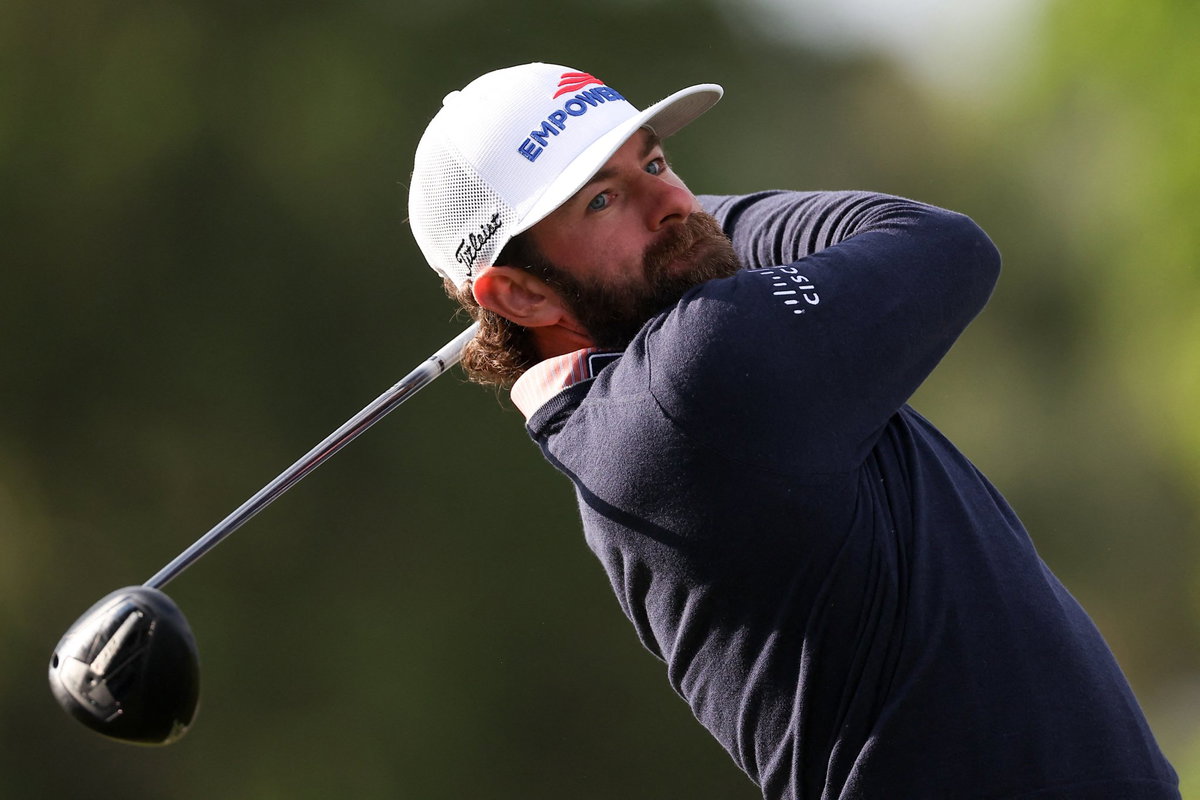
In an ironic twist of fate, the player’s admission of a minor rule infraction came just before he delivered one of the most incredible performances of his career. Firing a blistering 12-under 60 at his latest tournament, the golfer's skill and determination shone through, overshadowing the earlier mishap. The round included an impressive sequence of birdies, showcasing his uncanny ability to read the green and execute shots with surgical precision.
The term 'unintentional cheating' may sound shocking to the golf community, yet it is a phrase that this player quickly clarified. A misinterpretation of the new equipment rules led to an incorrect scorecard submission—an oversight that could have substantially marred his achievement and led to further scrutiny from officials. The player's honesty about the incident reflects an evolving culture in golf, where transparency and integrity are increasingly championed.
Looking at the round itself, turning in a 12-under 60 in professional golf is no small feat. It aligns him among a select group of golfers who have accomplished this rare achievement on the PGA Tour—a feat achieved by well-known names such as Jim Furyk and Al Geiberger. This stellar performance not only marked a personal milestone for the player but also reignited discussions about skill, mental fortitude, and the relentless pursuit of excellence in golf.
In their own words
"It was never my intention to step over the line, but the moment the breach happened, I knew I had a responsibility to own up to it. I’m grateful that I could put it behind me quickly and focus on the game that I love."
— PGA Tour pro
"To shoot a score like that, especially coming off a tough realization about the rules, makes it even more satisfying. It was a huge confidence boost I needed this year."
— PGA Tour pro
What's next
As the PGA Tour season unfolds, players are looking ahead to numerous prestigious events that provide opportunities for redemption and second chances. The controversy surrounding the player's unintentional rule breach could serve as a catalyst for greater dialogue on the importance of understanding the intricacies of golf rules, and how minor oversights can have major implications.
Upcoming tournaments will not only be a chance for this player to further assert his presence on the leaderboard but also send a message to his peers about the value of transparency and accountability. As fans await the next chapter of his season, many will remain keenly aware of how he manages the pressures of professional golf while navigating the complexities that come with it.
In essence, this story serves as a reminder that even in the high-stakes environment of the PGA Tour, the spirit of the game persists, and the ability to rise above challenges—both personal and professional—marks the true character of a champion.