Introducing the new social media landscape
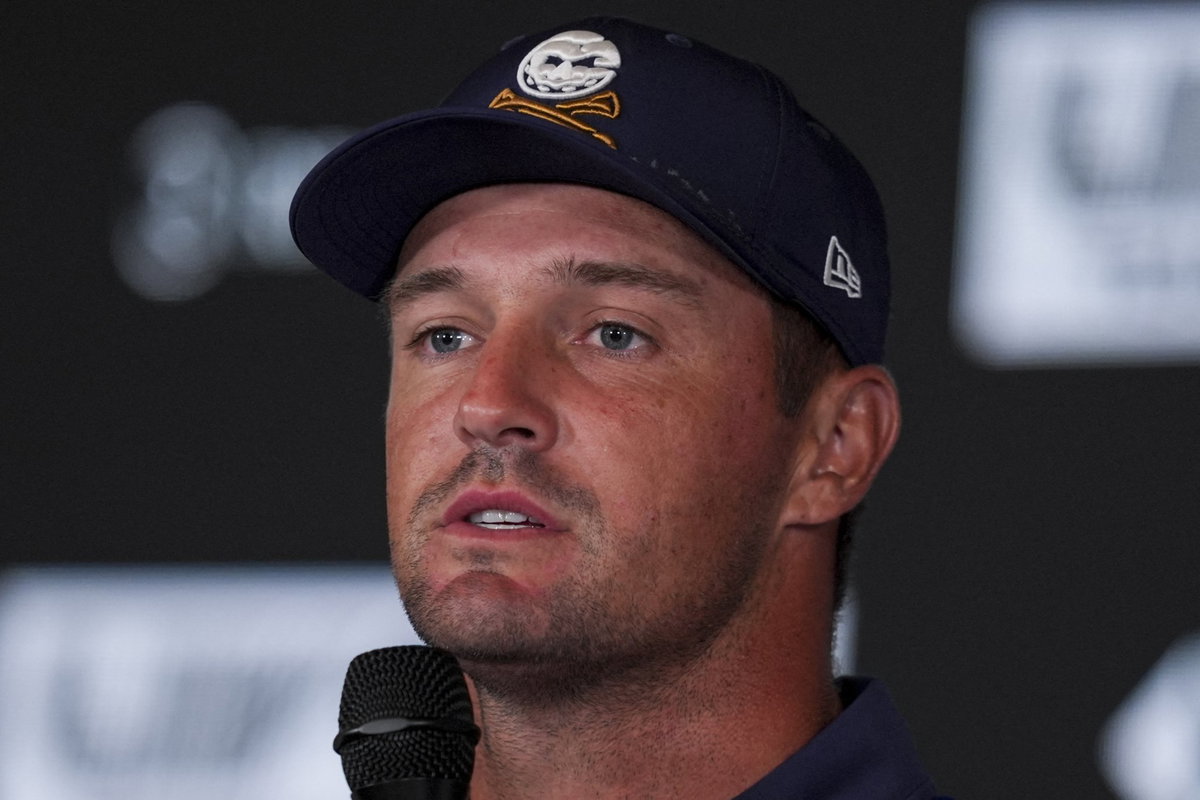
The PGA Tour is set to implement updated social media guidelines that could revolutionize how its players interact with fans and share their experiences. The announcement has already sparked discussions about its potential impact on high-profile figures, such as Bryson DeChambeau, known for his active and engaging online presence. As players and fans await further details, questions loom about whether these changes will attract or deter players from expressing their personalities online.
Key takeaways
- Updated social media policy to be introduced by the PGA Tour.
- Potential influence on player engagement, particularly for social media-savvy athletes.
- Bryson DeChambeau is notably recognized for his dynamic online presence.
- Changes could create new avenues for sponsorship and fan interactions.
- Overall impact on the tour's image and branding in the digital age.
Context and background
The PGA Tour has long been a staple of professional golf, focusing heavily on tradition and the integrity of the game. However, in the modern digital age, social media has transformed how sports figures engage with audiences. Golf, a sport traditionally perceived as reserved and understated, is entering a new era as players utilize platforms like Twitter, Instagram, and TikTok to build their brands and connect with fans. In recent years, social media has played a critical role in promoting events, enhancing player visibility, and attracting younger audiences.
Statistics show a dramatic rise in social media usage among athletes. For instance, as of 2022, 93% of professional athletes reported using social media, a sharp increase compared to previous years. Bryson DeChambeau alone has amassed a massive following on various platforms, leveraging his engaging content and unique personality to captivate a broad audience. His interactions often contribute not just to his individual brand but to the sport's growth.
The evolving interaction between golf and social media
With the PGA Tour's new policy, players may have increased freedom to share their perspectives, insights, and personal moments from life on and off the course. This could mean a shift towards more authentic engagement, allowing players to reveal their true selves. Given Bryson DeChambeau's unique approach to golf, which includes incorporating scientific principles and a fitness-centric lifestyle, the refreshed guidelines may serve as an inspiration for him to further embrace the digital world.
A primary focus of the new policy appears to be balancing marketing needs with maintaining the professional image of the tour. Expectations for professionalism won't be compromised, but this new framework may encourage players to take bolder stances on various topics or engage more candidly with fans. With golf embracing a modern identity, younger players looking to emulate champions like DeChambeau may find the online environment more favorable.
Evidence from other sports suggests that players who engage well with their audience through social media often see tangible benefits. Enhanced brand awareness can lead to lucrative sponsorship deals and greater public interest. A recent survey showed that athletes who actively engage on social media can boost their marketability and value by as much as 20%. This shift could pose yet another motivating factor for DeChambeau and his peers to embrace the new rules.
In their own words
"Social media is an essential part of who we are now as athletes. I think this new policy from the PGA Tour could open even more doors for players to connect with fans.”
— Bryson DeChambeau
"This is a crucial step for the PGA Tour to remain relevant in a fast-paced digital age. Players need to feel empowered to share their journey, and social media is a vital tool to do just that."
— Marketing Expert
What this means for golfers
The implications of this emerging policy extend beyond just professional players; recreational golfers can glean valuable insights from this shift. The PGA Tour's adaptive approach signals to all golfers the relevance of cultivating a personal brand through digital platforms. For those interested in sponsorship opportunities or simply wanting to share their passion for the game, greater authenticity can lead to increased connection and visibility.
Equipment manufacturers may leverage this change to connect with both pros and amateurs. Expect to see more content on social media that reflects players' experiences with clubs and gear, emphasizing personal stories rather than just sales pitches. Golfers across all levels should consider investing time in understanding social media dynamics to build their presence, share their perspectives, and deepen their connection to the golf community.
What's next
Looking ahead, the PGA Tour will likely unveil detailed aspects of its social media policy in the coming weeks. Players will need to adapt to these changes, balancing their professionalism with the newfound freedom to express themselves online. Major tournaments and events, including the upcoming FedEx Cup series, could provide ideal platforms for checking how players engage with fans in light of these new guidelines.
As golf moves further into the digital realm, the embrace of social media could attract new fans and even foster a younger, more dynamic audience. This positive evolution in how players like Bryson DeChambeau share their stories offers significant implications for the game's future, both for players and fans alike.