

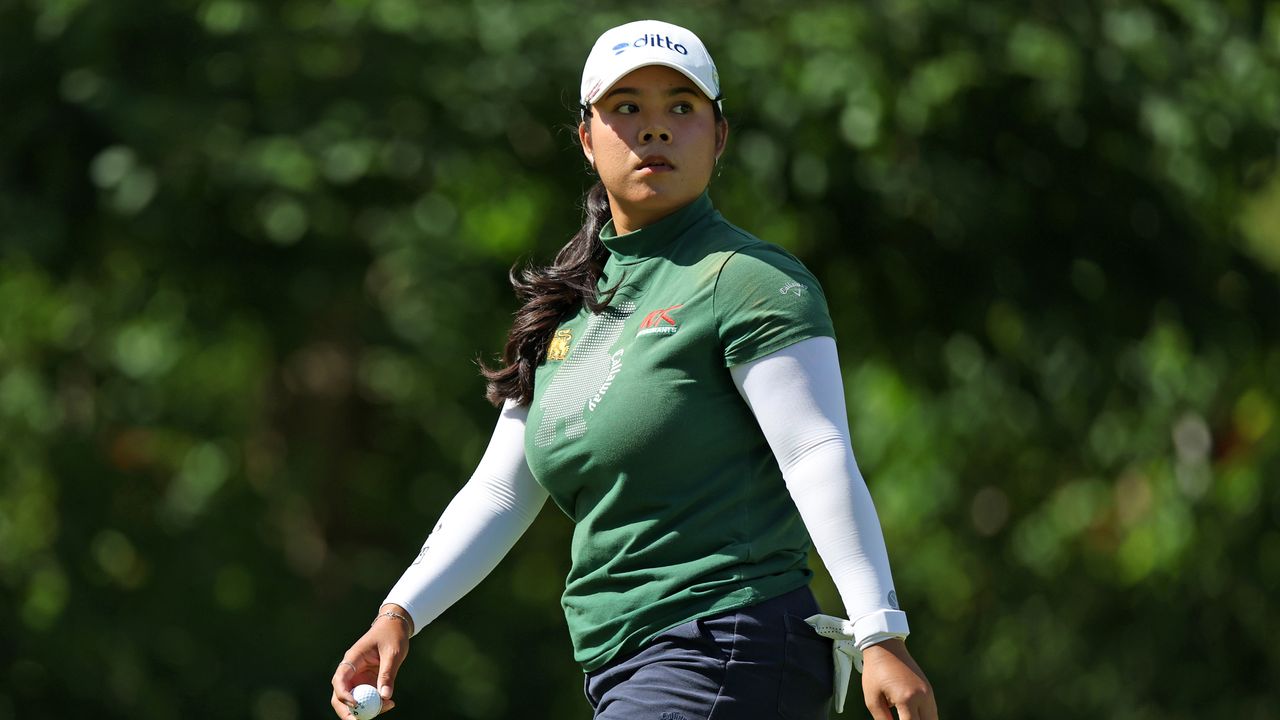
The world of professional golf has once again been shaken by the consequences of slow play. Arpichaya Yubol found herself at the center of controversy during the ShopRite LPGA Classic when a pace of play penalty ultimately cost her a chance at victory. Finishing just one stroke behind Celine Boutier, Yubol’s experience underscores the ongoing debate about the importance of maintaining pace in the sport.
Key takeaways
- Arpichaya Yubol received a slow play penalty at the ShopRite LPGA.
- Despite a strong performance, she finished one stroke behind Celine Boutier.
- The incident highlights the ongoing challenges of pace of play in professional golf.
- Yubol's situation could spark further discussions about rules enforcement in LPGA events.
Context and background
The issue of slow play in golf is not new; it has plagued the sport for decades, frustrating players and fans alike. There have been numerous instances where players have faced penalties as a result of not adhering to pace of play guidelines. According to LPGA statistics, the average time for a round of golf typically hovers around four hours, yet many events see rounds stretch well beyond that due to delays or slower groups on the course.
In recent years, the LPGA and PGA Tour have taken steps to address the problem, implementing stricter enforcement of pace of play regulations. These measures include assigning rules officials to monitor groups and issuing penalties when players exceed their allotted time. Yubol's experience demonstrates the real consequences players might face, potentially impacting their standings and financial outcomes.
The slow play penalty that cost Yubol
During the final round of the ShopRite LPGA Classic, Arpichaya Yubol was considered a strong contender. However, as her round progressed, it became evident that time was not on her side. Yubol, who had been playing well, was visibly affected by the slow play situation when she was assessed a penalty by officials for exceeding the designated time to play her shots.
The final tally showed Yubol finishing the tournament at one stroke behind Celine Boutier, the eventual champion. This close finish raised several eyebrows, particularly among fans who speculated on how the outcome might have differed had Yubol not faced a penalty. Statistics from the event showed that Yubol shot a 70 in the final round while Boutier's solid 69 clinched her the title.
Examining Yubol's performance throughout the tournament, she displayed impressive skills, including strong drives and steady putting that had her ranked amongst the leaders for the majority of the round. However, the penalty loomed large as a moment of frustration that might have cost her the championship. It is a stark reminder of how critical not just performance, but also adherence to the game's tempo, can be.
In their own words
"It’s tough to take in such a manner, I played a great tournament and was in contention, but that penalty is something we have to navigate in our sport."
— Arpichaya Yubol
"Pace of play has been a hot topic, and although I sympathize with Arpichaya, we must stick to our rules to maintain the integrity of the game."
— LPGA Tournament Director
What this means for golfers
The implications of Yubol’s experience are multidimensional for both professional and recreational golfers. On one hand, it serves as a reminder to all golfers about the importance of maintaining pace during play. For amateurs, observing speed and efficiency in completing a round can enhance the experience for everyone on the course. Moreover, being aware of how long each shot takes can make a significant difference when it comes to enjoying the game.
For those thinking about upgrading their equipment, Yubol’s situation emphasizes the broader competitive landscape in professional golf, where every detail counts. Investing in tools that optimize performance speed, such as rangefinders or strategies for shot timing, can be advantageous for golfers trying to improve their game.
What's next
Looking ahead, the LPGA continues its season with additional tournaments where the stakes are high, and the pressure is on players not only to perform well but to adhere to the pace of play regulations. The aftermath of Yubol’s penalty could lead to further discussions among players and officials about how best to enforce these rules without compromising the competitive spirit of the game.
Upcoming events will witness the return of top competitors looking to capitalize on lessons learned from their experiences, be it through adapting their game plans or restrategizing their rhythm on the course. Golf enthusiasts should keep an eye on future tournaments to see how these elements evolve, as players and officials aim for a balanced approach towards maintaining pace while showcasing dazzling athleticism.
/https%3A%2F%2Fcdn.pijper.io%2F2026%2F06%2FKbybhmCTzOLfSI1780318475.jpg)