Intro paragraph
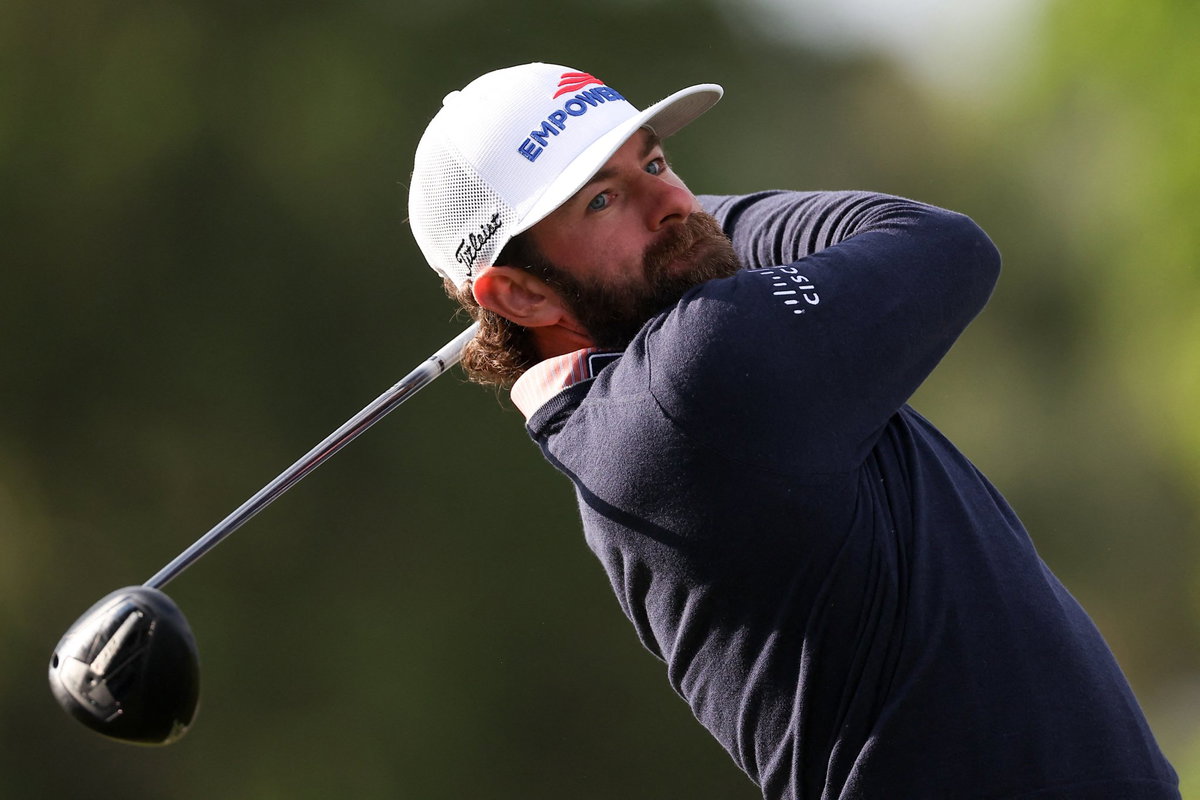
In a recent revelation that has captured the attention of golf enthusiasts, Paul Casey, a key player for LIV's Crushers GC, opened the curtain on the meticulous practice routines that cultivate elite professional golfers. By shedding light on the daily grind that tour players engage in, Casey underscores the significant differences that separate professionals from recreational golfers.
Key takeaways
- Paul Casey emphasizes the importance of dedicated practice in shaping elite golfers.
- Tour professionals spend more time on the course, honing their skills through targeted drills.
- Understanding course management and psychology plays a vital role in achieving success at the highest levels.
- Access to advanced training technology and expert coaching supports continuous improvement.
Context and background
Golf is a game steeped in tradition, yet the approach to training has evolved substantially over the years. Historically, the practice routines of professionals were often a mix of trial-and-error and instinctive adjustments. However, the emergence of performance analytics and technology over the past two decades has revolutionized how golfers prepare. Statistics indicate that on average, PGA Tour players hit around 100 shots per day during practice, far exceeding what the average amateur prepares.
This rigorous routine manifests in the form of perfecting swing mechanics, honing short-game skills, and mastering putting under pressure. With increasing competitive fields in events like the Masters and U.S. Open, knowing how to effectively utilize practice time can drastically alter one's career trajectory.
The grind behind the greatness
Casey offers an insider’s view into the relentless pursuit of excellence that defines professional golf. He details how players are not merely relying on talent but rather engaging in a calculated and persistent effort to perfect their games. The secret, he asserts, lies in the details: staying committed to a routine that includes multiple facets of the game.
"It’s not just about taking a few swings and hitting some putts. It’s about understanding what each part of your game needs and then addressing it daily," Casey explains. He cites examples where many of his peers practice over five hours a day, focusing not only on physical conditioning but also on mental resilience through psychological conditioning and course management strategies. The goal is to create a comprehensive understanding of the game that transcends mere mechanics.
This rigorous approach often extends beyond just practicing on the range. For Casey and his contemporaries, visualization techniques are equally important. Players often dedicate time to mentally strategizing over various holes on their home courses or within practice environments that mimic competitive conditions. According to him, the more a player engages with the psychological aspects of the game, the better their performance when it counts.
In their own words
"We’re all doing it, and it’s necessary if you want to compete. The hours you put in off the course are just as important as what you do during tournaments."
— Paul Casey
What this means for golfers
For amateur golfers and weekend enthusiasts looking to elevate their game, Casey’s insights offer invaluable lessons. The key takeaway lies in recognizing the need for a purposeful practice routine that encompasses not only physical training but also mental fortitude. Trying to mirror the practice habits of elite golfers doesn’t mean replicating their schedules verbatim; rather, it’s about understanding the philosophy behind disciplined training.
Investing in quality practice time can yield tangible benefits. Amateurs should focus on shorter, goal-oriented practice sessions that concentrate on specific aspects of their swings or putting techniques. Additionally, mental strategies, such as course visualization and scenario preparation, are equally important, especially when under pressure during a round.
What's next
As golf transitions into significant tournaments, including the upcoming LIV Tour events, witnessing how Casey and his fellow professionals implement their refined skills will be of utmost interest. The blending of traditional expertise with modern technology promises to showcase not just their innate talent but how practice shapes winners. For recreational golfers, the journey to improvement can mirror that of the pros, grounded in hard work, smart strategies, and an enduring commitment to excellence.

/https%3A%2F%2Fcdn.pijper.io%2F2026%2F06%2FRkUgIHk3UBT3tw1781080975.jpg)