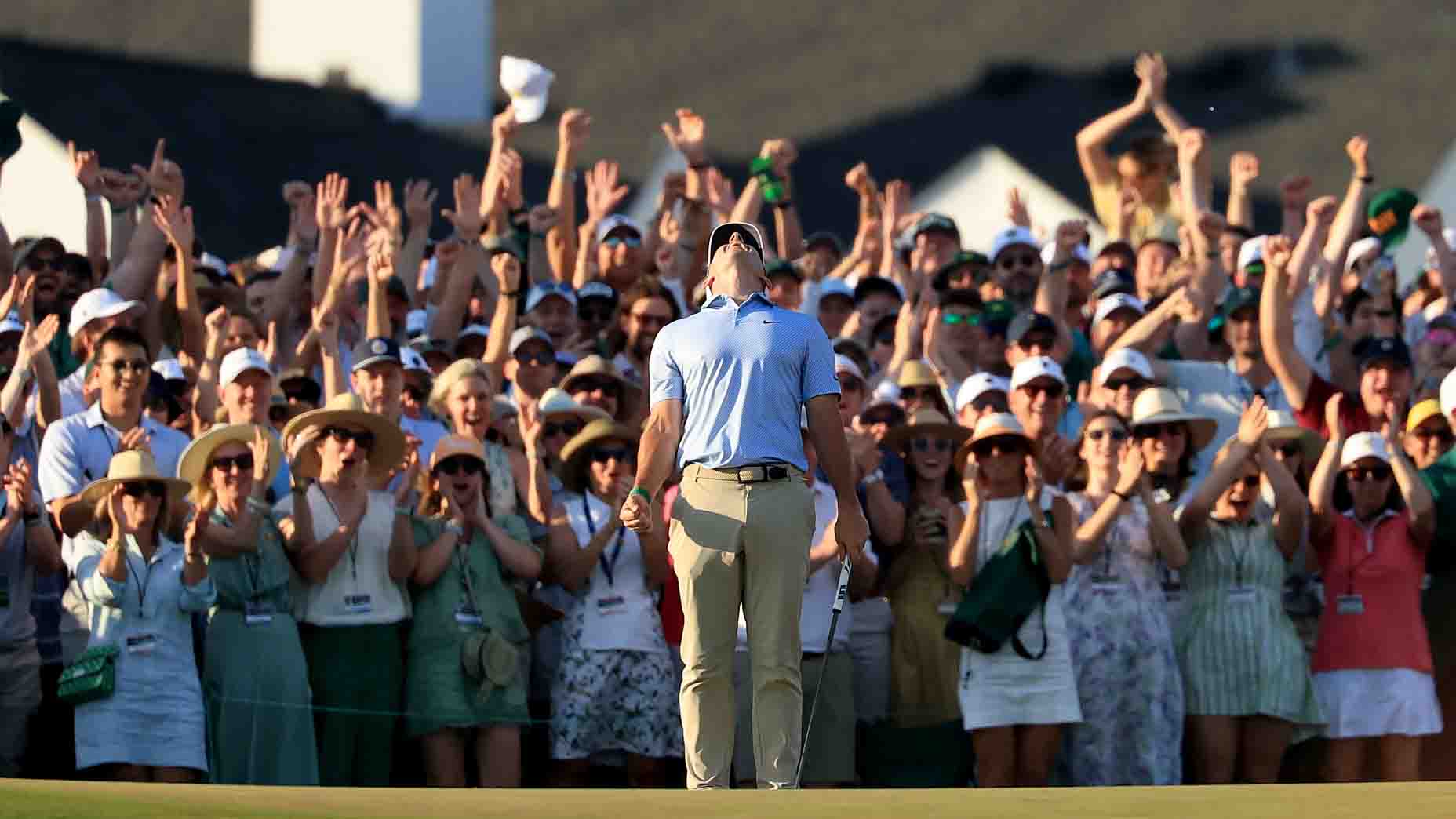
The Masters Tournament is not only a celebration of golf’s rich traditions but also a powerful driver of television viewership. This year's event reached record TV ratings, marking an upward trend in golf's popularity, particularly with Rory McIlroy's remarkable victory at Augusta National. While the numbers are impressive, many fans feel an emotional connection to last year’s victory that suggests there is more to this narrative than mere statistics.
Key takeaways
- Rory McIlroy's latest Masters win contributed to record-high TV ratings.
- Many viewers reported a more significant emotional impact from last year’s victory.
- Factors influencing TV ratings include player popularity, competition intensity, and viewer engagement.
- Historical precedents point to certain tournaments resonating more deeply in fans' memories.
- This year’s ratings indicate a growing golfing audience eager for compelling narratives.
Context and background
The Masters, initiated in 1934, has a storied legacy, known for producing exhilarating play and unforgettable moments. Each year, it serves as a bellwether for viewer interest and sportsmanship in golf. Historically, tennis ratings have surged during culturally significant events. For instance, the dramatic return of Tiger Woods to success captivated audiences in a way that few sporting events have.
Recently, golf’s television ratings have experienced a revival, indicating a resurgence in interest. Nielsen ratings indicate that the 2023 Masters noted a 10% increase in viewership compared to prior years, reflecting a broader resurgence for golf. This increase can largely be attributed to McIlroy’s continuing popularity and the overall dynamics of the sport.
A deeper look at the ratings and emotions
The narrative arc surrounding McIlroy's victories contributes significantly to the viewer experience. His fifth major championship win in 2023 built excitement, yet many fans felt that last year’s heart-wrenching near-win was far more impactful. In 2022, McIlroy nearly secured his first Green Jacket but fell short on the final day, creating a palpable tension that resonated deeply with fans. This past emotional experience set a high bar for the current win, leading to a perception of diminished emotional weight.
Additionally, the current landscape of golf viewership encompasses a growing number of younger audiences who resonate with engaging narratives. The rise of player rivalries, the emergence of new talents, and personal stories behind well-known golfers foster stronger emotional attachments with audiences. Experts suggest that while this year’s ratings have peaked, it is crucial to consider the surrounding context, as it influences how fans emotionally engage with each game's narrative.
In their own words
"Every win is special when you consider the challenges faced and the work put in, but the breakthrough moments are what resonate longer with the fans." — Rory McIlroy
"Last year's Masters felt electric. It drew me in more emotionally; moments like Rory's comeback were brilliantly dramatic." — Sports Analyst
What this means for golfers
The implications of this year’s record TV ratings extend beyond the world of broadcasting; they have the potential to inspire golfers at all levels. Aspiring players often find motivation in stories of triumph and perseverance from the pros, akin to what McIlroy exemplifies. Grassroots programs and local tournaments should harness this high-profile success to encourage engagement, particularly with youth and casual players who thrive on such narratives.
Golf equipment manufacturers and training facilities can also benefit from an understanding of the trends in viewership. By framing stories that highlight both emerging stars and established veterans, they can nurture a more engaged audience on and off the course. As typical marketing campaigns evolve to mirror compelling stories, they can tap into the emotional appeals that resonate well with viewers.
What's next
The golf industry is at an exciting juncture following events like the Masters, and stakeholders should remain vigilant for upcoming tournaments poised to elevate viewership even further. It’s not solely about the numbers; the captivating, relatable stories in golf are crucial for retaining audience interest. Upcoming PGA Tour events and inventive marketing strategies will play essential roles in defining the future of golf as it reaches for broader audience engagement. The game of golf promises to continue transcending generations through the storytelling that unites and inspires at every level.